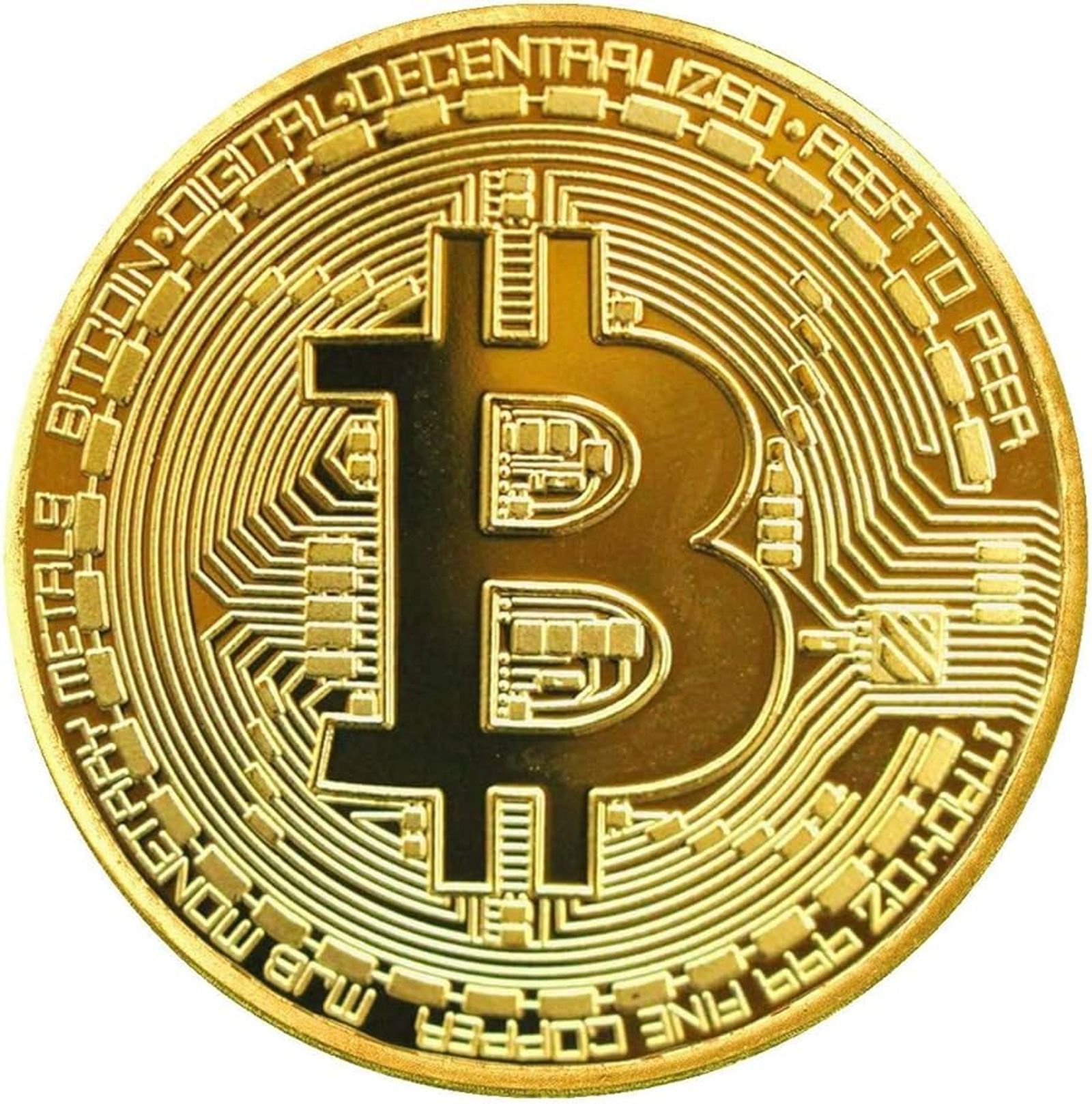
Bitcoin (BTC) is the world's first cryptocurrency, created in 2009 by an anonymous developer—or group of developers—operating under the pseudonym Satoshi Nakamoto. It was designed as a decentralised digital currency enabling peer-to-peer transactions without intermediaries such as central banks or governments. Its most defining characteristic is a hard cap of 21 million coins that can ever be mined. The thousands of alternative cryptocurrencies (altcoins) that have emerged since are, in essence, variations or extensions of Bitcoin's original idea—which is why Bitcoin continues to serve as the reference point for the entire digital-asset market.
Origin story
Bitcoin's origins trace back to a white paper published by Nakamoto in the immediate aftermath of the 2008 global financial crisis. At a moment when trust in banks and governments had been badly shaken, the paper proposed "a peer-to-peer electronic cash system" that could function without relying on any trusted third party. The network went live in 2009 when the first block—the so-called genesis block—was mined. In those early days, Bitcoin was little more than an experimental curiosity with negligible monetary value. A now-legendary transaction in 2010, in which a developer paid 10,000 BTC for two pizzas, is still commemorated annually as "Bitcoin Pizza Day"; at the time, that implied a price of roughly $0.004 per coin.
Bitcoin's supply mechanics are governed by a "halving" that occurs approximately every four years, cutting the reward paid to miners for each new block by half. Starting at 50 BTC per block, the reward has since fallen to 25, then 12.5, then 6.25. The most recent halving took place in 2024. Each halving has historically been accompanied by sharp price swings, reinforcing Bitcoin's reputation as "digital gold."
What it actually does
Bitcoin operates on a proof-of-work consensus mechanism, in which a globally distributed network of miners uses computing power to validate transactions—with no central issuing authority. Unlike Ethereum, which supports smart contracts and a wide array of decentralised applications, Bitcoin has deliberately maintained a narrow focus: storing value and transferring it. That simplicity, combined with enforced scarcity, has become a selling point rather than a limitation, leading many institutional investors to treat Bitcoin as a hedge against inflation.
The approval of spot Bitcoin exchange-traded funds (ETFs) in the United States in 2024 marked a turning point. Bitcoin has since evolved from a predominantly retail-driven asset into one that attracts institutional capital at scale. Cumulative inflows into US spot Bitcoin ETFs have exceeded $50 billion, and a growing number of listed companies—most notably MicroStrategy (recently rebranded Strategy)—have adopted Bitcoin as a core element of their treasury strategy.
Current situation and controversies
As of 24th July, Bitcoin was trading at around $65,000—roughly half its all-time high of $126,073, recorded on 6th October of the previous year. When concerns about the return on AI investment among America's largest technology companies wiped approximately $797 billion from the combined market capitalisation of the so-called Magnificent Seven in a single session, sending Wall Street sharply lower, Bitcoin held its ground near the $65,000 mark. Some analysts interpreted this resilience as a sign of "decoupling"—a break from the tight correlation with AI-related equities that had characterised Bitcoin's recent trading pattern.
Regulatory developments also warrant attention. In the United States, the progress of the CLARITY Act—legislation intended to establish a definitive legal framework for digital assets—has become a focal point for the market. The bill has run into turbulence after seven Democratic senators signalled opposition to an amendment, citing inadequate ethics provisions. Even so, institutional demand has remained firm: US spot Bitcoin ETFs recorded net inflows for seven consecutive trading days. Meanwhile, the cryptocurrency exchange BitMEX announced it will cease operations on 23rd September, a reminder that industry consolidation is proceeding in parallel.
Assessment
Investment risk: ★★★★☆ Volatility remains high. The 52-week trading range spans $57,832 to $126,186.
Technical robustness: ★★★★★ A network that has operated without interruption for nearly 17 years. Simplicity is a feature, not a flaw.
Ecosystem scalability: ★★★☆☆ Advanced functionality such as smart contracts remains limited. However, integration into mainstream financial infrastructure—via ETFs and institutional adoption—is gathering pace.
Overall relevance: ★★★★★ The psychological anchor of the entire digital-asset market, and still the asset that attracts the greatest concentration of capital and attention.