The management crisis surrounding Megabox Central has begun to look less like an isolated corporate mishap and more like a systemic threat to South Korean cinema. The greatest uncertainty does not concern films already in cinemas or in post-production, but the pipeline of projects for which contracts have been signed and cameras have begun to roll.
'Hope' is merely the spark — the real problem is the pipeline
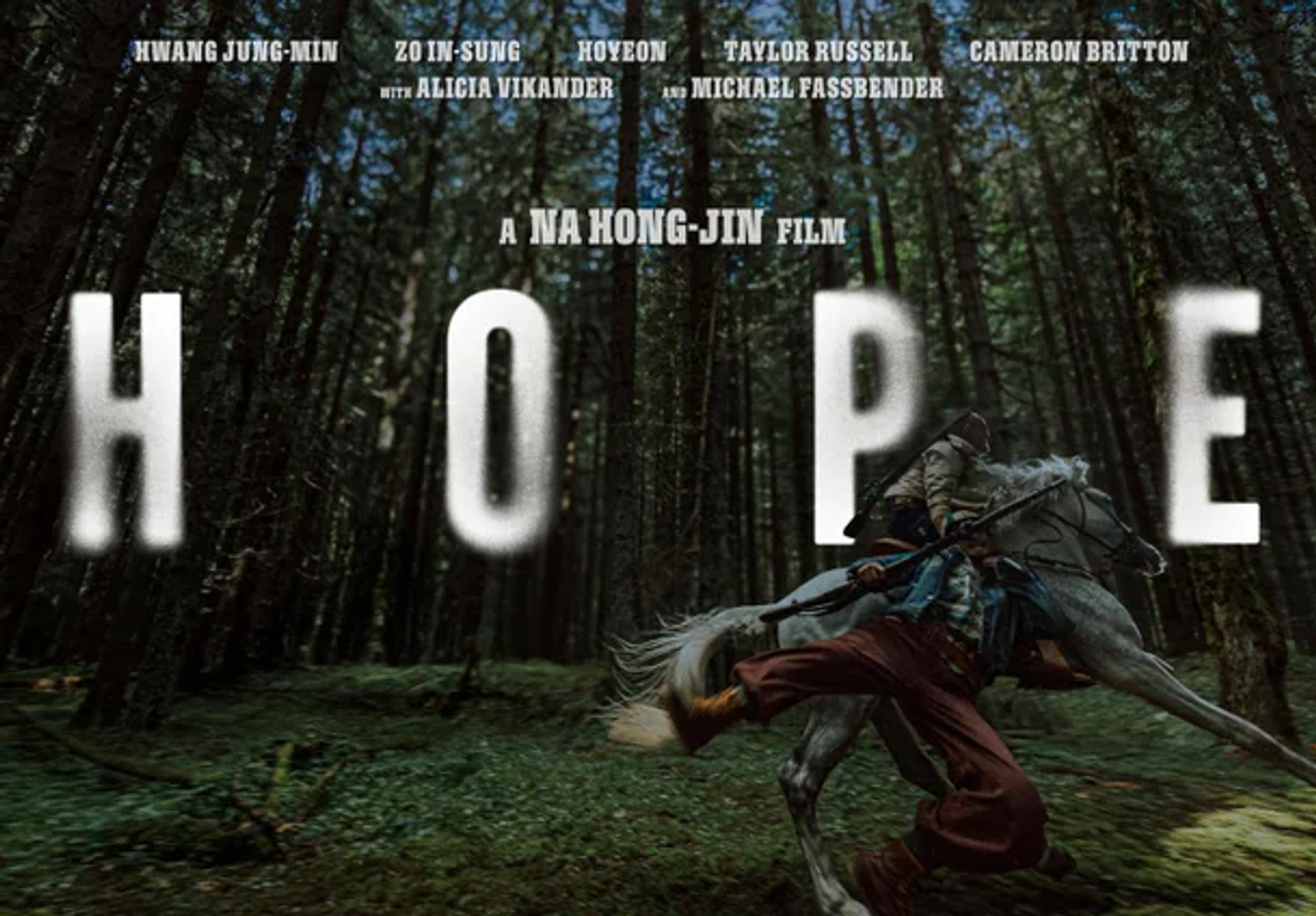
The immediate controversy was ignited by disputes over the release and financial settlement of *Hope*, a film Megabox Central had agreed to finance and distribute. Yet industry insiders are largely agreed that the more serious damage lies elsewhere: in the films already under contract, in production or in post-production. When a distributor halts or delays the disbursement of committed investment funds, production companies face an immediate liquidity crisis. The knock-on effects are predictable — unpaid wages for actors and crew, outstanding post-production bills, and release schedules thrown into disarray.
According to the Korean Film Producers Association, many small and mid-sized production companies rely on a single investor-distributor for more than 70% of their funding. In such a structure, a payment delay by the distributor translates almost directly into an existential threat for the producer. There is a precedent: in the mid-2010s, when a major investment-distribution company underwent financial restructuring, numerous affiliated production houses were dragged into difficulty alongside it.
Structural fragility: the downside of vertical integration
The Megabox Central affair throws into sharp relief a vulnerability inherent in South Korean cinema's distinctive vertically integrated structure. The industry is dominated by a "Big Three" — CJ ENM (which operates CGV cinemas), Lotte Cultureworks (Lotte Cinema), and Megabox Central — in which production, investment, distribution and exhibition are all conducted within a single corporate family. This model confers formidable market power, but it also means that when any one link in the chain falters, the shock is amplified across the whole system.
According to the Korean Film Council's (KOFIC) annual industry review for 2024, roughly 85% of domestic cinema admissions take place in theatres owned or affiliated with these three groups. If Megabox Central cannot co-ordinate the release and scheduling of films it has committed to, those films may be structurally locked out of the market.
Producers, directors and actors all waiting to be hurt
Industry estimates suggest that a dozen or more active projects are currently bound by contracts with Megabox Central. These reportedly include upcoming films by established directors and productions featuring major stars. One independent production company chief, who asked not to be named, described the situation starkly: "The contractual deadline for the investment disbursement has passed and we have received no communication whatsoever. We are surviving on bank loans, but we are approaching our limit."
Directors and actors are equally anxious. If investment and distribution agreements effectively collapse, completing a film becomes impossible — and that means careers interrupted. The consequences are particularly severe for debut directors or those mounting a comeback, for whom the stalling of a single project can prove career-defining in the worst sense.
Parallels abroad: MGM's bankruptcy and Japan's studio restructurings
Comparable episodes can be found elsewhere. When MGM filed for bankruptcy in 2010, dozens of unfinished projects were suspended and the next instalment of the James Bond franchise was delayed by several years. MGM eventually emerged through a restructuring led by creditors including Anchorage Capital, but many independent production companies were left fighting over contract terminations and damages claims in the interim.
In Japan, when major studios including Toei and Shochiku underwent restructuring in the early 2000s, the government-backed Japan Arts Council (co-funded with NHK) provided a degree of production finance as a buffer. The parallel is an uncomfortable reminder of the questions now being asked about the role of KOFIC and the South Korean government.
KOFIC and the government wrestle with how far to intervene
KOFIC has stated publicly that it is monitoring the situation closely — a formulation that, in the circumstances, conveys more caution than comfort. Some voices in the industry are calling for the eligibility criteria of KOFIC's Korean Film Production Stabilisation Fund to be relaxed, or for the creation of an emergency zero-interest or low-interest lending programme targeted at affected production companies.
Not everyone agrees. Deploying public money to cushion the consequences of a private company's management failures risks creating moral hazard, critics argue. One film critic and industry analyst put it directly: "The focus of any support should be on the small production companies and the independent film sector that are suffering one-sided damage from their contractual exposure — not on Megabox Central's head office."
Outlook: the beginning of a broader realignment?
Whether the current crisis resolves as a temporary liquidity squeeze or escalates into a full restructuring, sale or merger of Megabox Central remains unclear. What is becoming clear, however, is a growing consensus within the industry that the episode ought to prompt a fundamental re-examination of South Korean cinema's oligopolistic structure.
Longer-term reforms under discussion include diversifying the investment and distribution market, revising standard contracts to encourage production companies to work with multiple distributors simultaneously, and strengthening legal penalties for delayed investment disbursements. There is also broader anxiety that the Megabox Central affair, arriving before cinema attendance has fully recovered from the pandemic, could dampen investor sentiment and reduce the number of Korean films in production.
South Korean cinema earned global recognition in the wake of *Parasite*'s triumph at the Academy Awards and stands at an inflection point. The resilience of the industrial ecosystem that underpins its creative ambitions is now being put to the test.