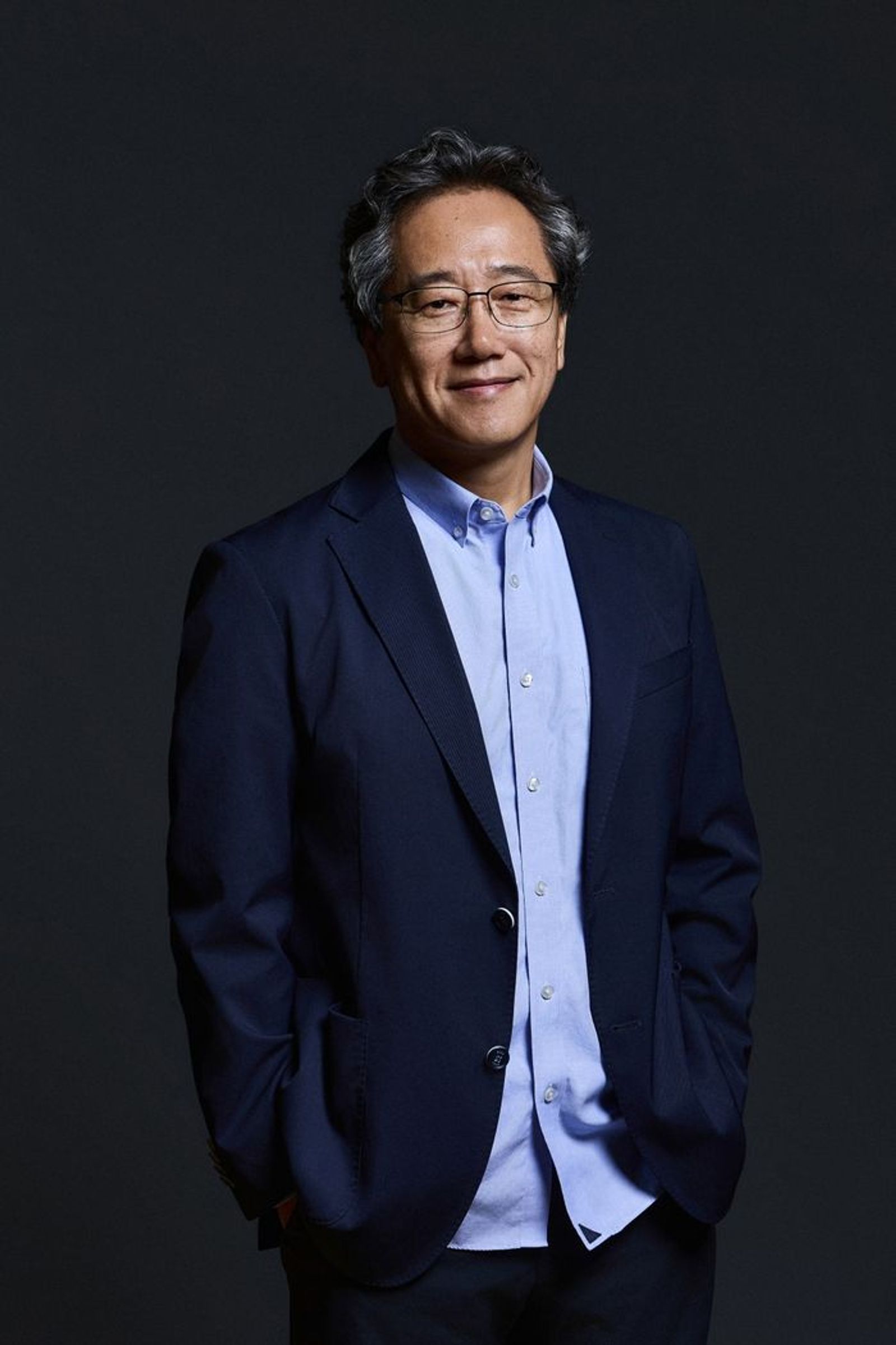
Neowiz has fired the starting gun on its search for the next big global intellectual property. The South Korean game developer announced in July 2026 that it had hired Chris Jung, a senior figure from Wargaming — the studio behind the globally dominant tank-battle franchise *World of Tanks* — to lead its international push. The appointment signals far more than a routine reshuffle: it offers the clearest indication yet of how Neowiz intends to follow up on *Lies of P*, the action role-playing game that transformed the company's fortunes.
**The door that *Lies of P* opened**
Released in September 2023, *Lies of P* rewrote Neowiz's history. A "soulslike" action RPG — a genre defined by punishing combat and atmospheric world-building, pioneered by Japan's FromSoftware — the game sold one million copies within four days of launch and climbed to the top of Steam's global charts, setting a new benchmark for Korean-developed console and PC titles. Final sales exceeded two million copies, and the game earned praise from leading international outlets including IGN and Eurogamer, which hailed it as the arrival of a distinctly Seoul-made voice in the genre.
Yet success brought with it a formidable challenge. How does a company follow up a breakthrough hit with a second franchise of comparable quality and global appeal? In the Korean games industry, stringing together consecutive AAA-calibre console successes has proved extraordinarily difficult. Even the sector's heavyweights — Nexon, Netmarble and Krafton — have repeatedly struggled to build sustainable global console IP portfolios.
What Chris Jung brings to the table
Chris Jung led publishing and business development at Wargaming, accumulating deep networks and hands-on experience across European and North American markets. Wargaming itself is something of a textbook case in global publishing: it operates its flagship *World of Tanks* franchise in more than 20 languages and has amassed over 160 million registered users worldwide. The capabilities Jung developed within that ecosystem — localisation strategy, live-service operations, and a web of partner relationships — map directly onto the "global expansion DNA" that Neowiz most urgently needs.
Industry observers interpret the hire not as a straightforward operational reinforcement, but as an attempt to embed global market sensibilities into Neowiz's development process from the earliest stages of a new project. "Korean game companies used to finish a game domestically and then export it — a back-end globalisation model," said one industry specialist. "Now, baking global thinking into the concept stage is essential. That's front-end globalisation, and it's a fundamentally different discipline."
The structural challenge: moving beyond a single hit
Despite the triumph of *Lies of P*, Neowiz's structural vulnerabilities are plain. The company's overall revenue still depends heavily on mobile and web-board games — a category far removed from the premium console market — and its pipeline of global AAA titles remains nascent. Development of downloadable content for a reported *Lies of P 2* is understood to be under way, but without new IP, the company's long-term growth engine remains constrained.
The trajectory of FromSoftware is frequently cited as the relevant benchmark. Having opened up the soulslike genre with *Dark Souls*, FromSoftware consolidated its dominance through a succession of distinct but thematically coherent franchises: *Bloodborne*, *Sekiro* and *Elden Ring*. That is the model Neowiz aspires to — and the standard it must meet. Closer to home, Krafton's years-long struggle to diversify beyond *PlayerUnknown's Battlegrounds* (PUBG) serves as a cautionary tale about the dangers of single-IP dependency.
The battlefield for global IP
The broader context is one of intensifying competition. According to market research firm Newzoo, the global games market will surpass $200 billion in 2025, with the premium console and PC segment growing at an annual rate of 6–8%. Demand for soulslike and open-world action RPGs, driven by younger audiences, remains particularly strong.
Against rivals that include China's HoYoverse (maker of *Genshin Impact* and *Wuthering Waves*), Korea's own Shift Up (*Goddess of Victory: Nikke*, *Stellar Blade*), and Japanese giants Capcom and Bandai Namco, all of whom are accelerating their own global IP strategies, Neowiz will need to align genre, world-building and live-service design into a coherent whole. "The AAA console market carries development costs running from tens of billions to hundreds of billions of won, making it genuinely high-risk," said one games industry analyst. "But a success at that level generates brand value and IP spin-off potential that is unmatched. Bringing in Chris Jung is Neowiz signalling its intention to plant itself firmly inside the global publishing ecosystem."
What comes next
Neowiz's moves carry a message for the Korean games industry as a whole. *Lies of P* demonstrated that a Korean studio can compete at the highest level of the global console market. The harder question is whether that achievement can be systematised — converted into a repeatable, scalable IP ecosystem rather than a single inspired moment. The hiring of Chris Jung looks less like a tactical staffing decision and more like a structural commitment: a declaration that the company intends to build global capacity through professional expertise rather than hope.
The industry will be watching closely to see what genre and creative vision define Neowiz's next title, and precisely what role Jung plays in shaping it. If the company can successfully embed global publishing strategy at the concept stage, it stands a credible chance of becoming the first Korean developer to operate a genuine multi-IP global franchise. If the next game disappoints, *Lies of P* risks being remembered as a beautiful anomaly. Which outcome prevails will be determined by the choices being made right now.