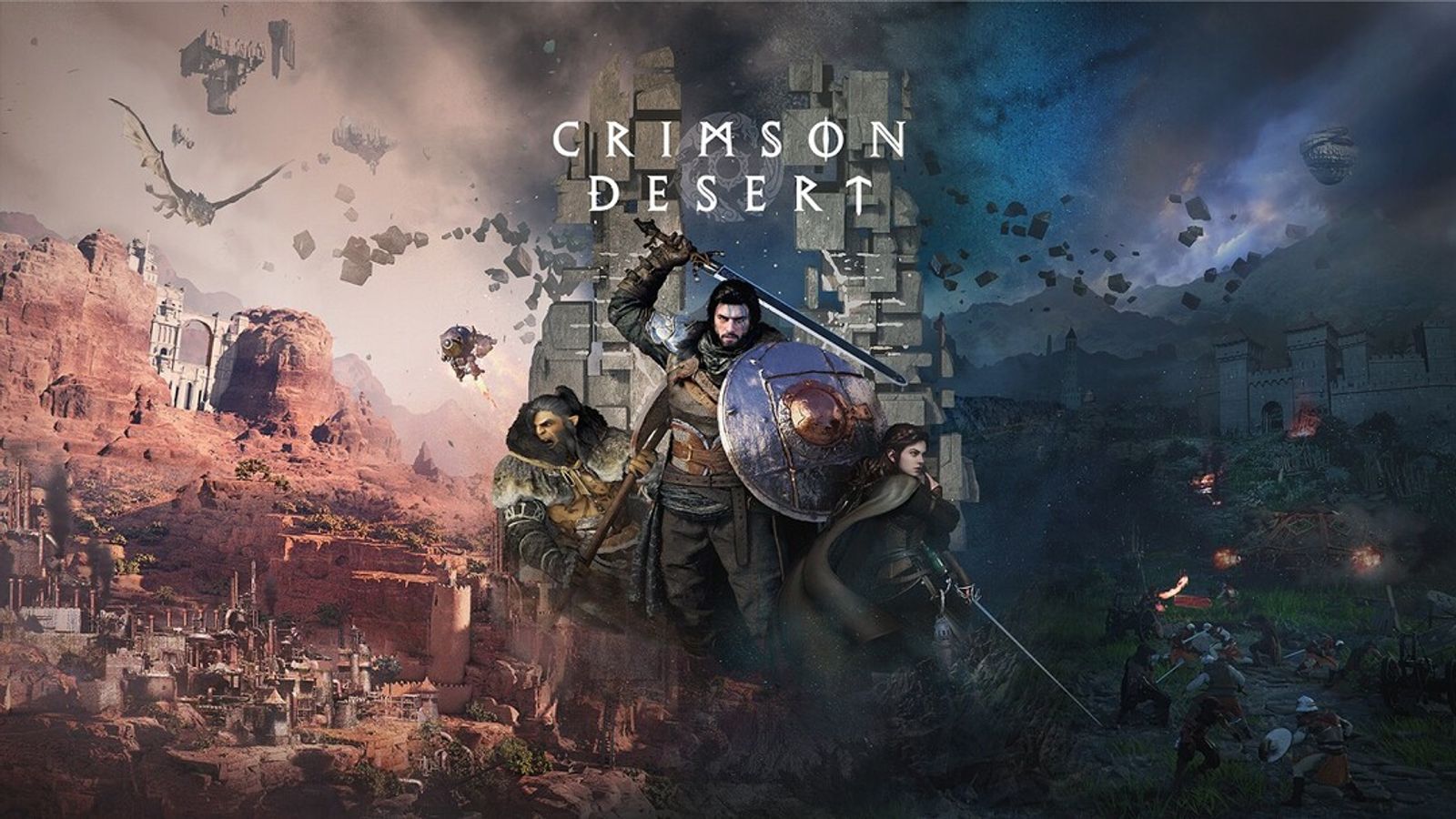
Pearl Abyss, the South Korean games developer best known for the long-running MMORPG Black Desert Online, has rolled out a substantial update to "Crimson Desert," its long-awaited open-world action RPG, expanding the game's central "Abyss" system in ways the company says go far beyond a routine content patch. The move is being watched closely across the industry — not merely as a design decision, but as evidence that a game which has repeatedly missed its release window is, at last, taking shape.
Deepening the Abyss
The Abyss is Crimson Desert's subterranean dungeon network, inspired by the game's underground lore. Unlike conventional combat arenas, it layers puzzles, hidden chambers, and narrative clues into a structure designed to reward curiosity rather than brute force. The latest update increases the architectural density of these zones and introduces branching paths that vary according to player choices, ensuring that repeated runs feel genuinely different.
Pearl Abyss has been explicit about its philosophy. "We are not simply expanding the map," the company has said. "We want exploration itself to be the reward." That statement carries strategic weight: as "exploration fatigue" — the sense that vast open worlds are increasingly hollow — becomes a growing complaint among players, positioning "meaningful exploration" as a core value is a deliberate attempt to carve out differentiated territory.
A crowded and unforgiving market
The market Crimson Desert must enter is formidable. Elden Ring (FromSoftware), The Legend of Zelda: Tears of the Kingdom (Nintendo), and the forthcoming GTA 6 (Rockstar Games) have collectively raised the bar for what a premium open-world title must deliver. The genre is effectively divided between punishing soulslike experiences and narrative-driven epics; Crimson Desert is aiming for the space in between.
According to Newzoo, the global market research firm, the console and PC action-RPG segment exceeded $20bn in annual revenue in 2025, with open-world exploration titles accounting for more than 35% of that total. No South Korean developer has yet built a globally recognised intellectual property in this space — a fact that explains why Crimson Desert carries both extraordinary promise and extraordinary pressure.
Beyond Black Desert: a bet on IP diversification
Pearl Abyss was founded on the success of Black Desert Online, launched in 2015. The game now operates in more than 150 countries and has accumulated over 40m registered users, making it one of the more enduring franchises in the MMORPG genre. Yet the structural growth ceiling of MMORPGs — combined with concerns about over-dependence on a single genre — has pushed Pearl Abyss to position Crimson Desert as the centrepiece of a post-Black Desert strategy.
The obstacle has been time. Crimson Desert was first unveiled in 2019, and subsequent delays prompted murmurs in the industry about "vaporware" — the ignoble category of titles announced with fanfare but never actually released. Viewed in that context, the Abyss expansion is as much a statement of commercial intent as a content update: a signal to the market that the game is alive and progressing.
A question of balance: story versus combat
Opinion within the industry is divided on whether the final product will deliver. One South Korean games analyst put the challenge plainly: "Pearl Abyss's vision of an exploration-centred open world is genuinely distinctive, but for that distinction to translate into player satisfaction, the depth of the narrative and the physicality of the combat need to be in balance." Others are more sanguine about the latest update. Refining the reward design around exploration, they argue, is precisely the kind of long-cycle work that builds a durable franchise rather than a one-week bestseller.
The precedent most often cited is CD Projekt Red's Cyberpunk 2077. Savaged on release in 2020, the Polish studio methodically rebuilt its reputation through patches and the Phantom Liberty expansion, pushing cumulative sales beyond 28m copies by 2024. The lesson — that sustained content investment can rescue and ultimately transform a troubled launch — is not lost on Pearl Abyss's management or its investors.
Investors: caught between hope and anxiety
Pearl Abyss's share price has long been hostage to Crimson Desert's fortunes. Each delay announcement has triggered a sharp sell-off; each new trailer or update has produced a short-lived rally. Among investors, the title has acquired the status of a high-risk, high-reward wager.
Analysts at several South Korean brokerages estimate that the game's commercial performance could swing Pearl Abyss's market valuation by a factor of two to three. One games-sector analyst at a domestic securities house noted that the Abyss expansion "offers the clearest signal yet about the game's state of completion and probable release timing," adding the customary caveat that "a conservative approach accounting for volatility risk remains prudent until an actual launch date is confirmed."
The broader stakes
The outcome of Crimson Desert will matter well beyond Pearl Abyss's own balance sheet. South Korean developers have long dominated mobile gaming and MMORPGs; what they have never done is break through in the premium console and PC open-world market currently shared almost exclusively between Japanese and Western studios. This update is being read, cautiously, as the first serious move in that challenge.
Three variables will ultimately determine Crimson Desert's fate: the density of its content, the meaningfulness of its exploration, and the weight of its storytelling. How organically Pearl Abyss weaves those three elements together will decide whether the game opens a new chapter for the South Korean games industry — or serves as an expensive lesson in the gap between ambition and execution.