Company Overview
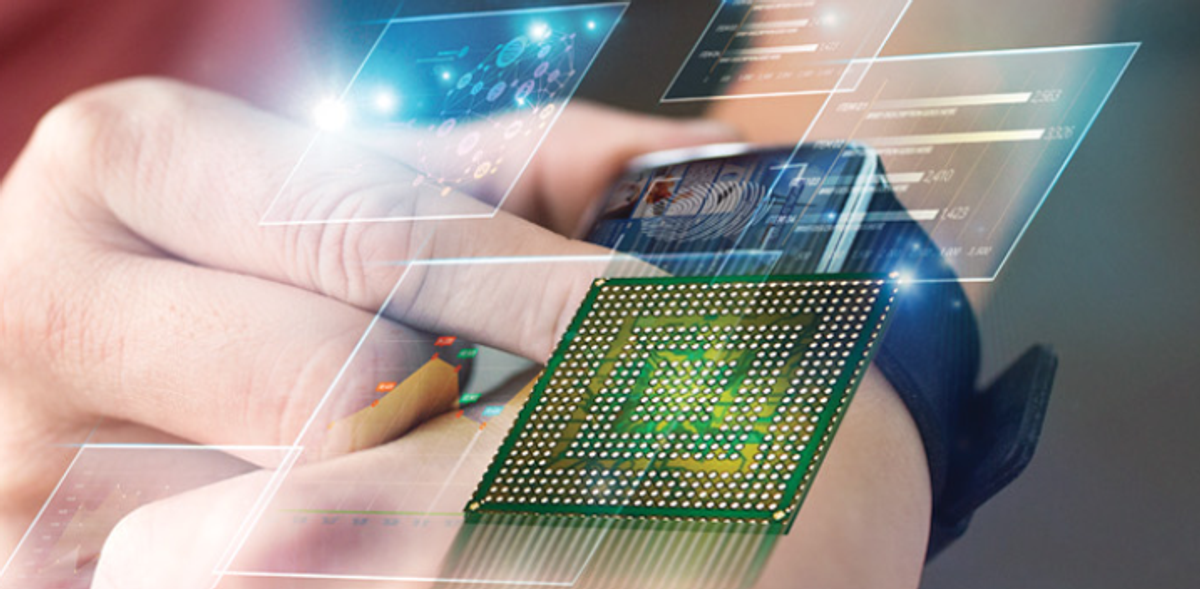
Simtech (KOSDAQ: 222800) is a specialist manufacturer of semiconductor package substrates — the printed circuit boards (PCBs) that sit between a memory chip and its wider electronic environment. The company holds a leading position in South Korea in both module substrates and package substrates for memory semiconductors, supplying Samsung Electronics and SK Hynix, among others. Its core strength lies in DDR-series DRAM module substrates, though it is now pushing into higher-value products such as GDDR7 graphics memory substrates and SoCAMM (Server-on-Chip Attached Memory Module) substrates designed for AI computing.
Simtech's value-enhancement story is intertwined with a broader market reappraisal of South Korean semiconductor materials, components and equipment companies. In the second half of 2024, South Korean financial regulators formalised the "Korea Value-Up Programme", aimed at closing the persistent valuation discount on Korean equities — the so-called "Korea Discount" — relative to global peers. Semiconductor substrate makers, many of which had long traded below book value (a price-to-book ratio below 1x), came under pressure to expand shareholder returns and articulate credible plans to improve corporate value. At the same time, governance concerns surrounding Simtech's parent, Simtech Holdings, have placed the company under scrutiny not only for its growth prospects but also for the risks attached to its ownership structure.
Business and Financial Performance
Core Business: Memory Substrates
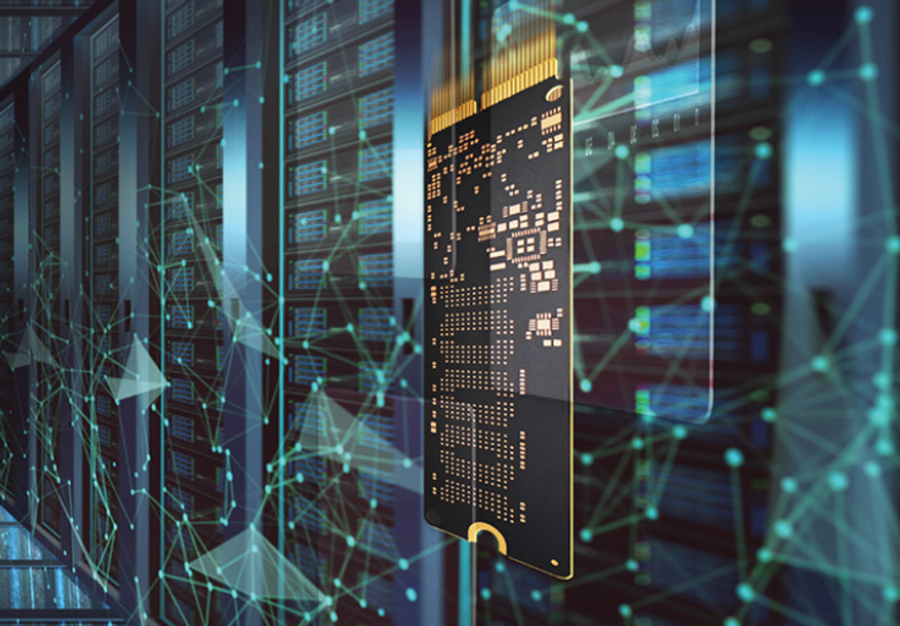
Simtech's principal products are DRAM module PCBs and package substrates. Its earnings are structurally sensitive to the memory semiconductor cycle. The global semiconductor downturn of 2022–23 hit revenues and margins hard, but a gradual recovery began in the second half of 2024, driven by a rebound in memory markets and accelerating demand from AI server infrastructure.
In the second quarter of 2025, sales of GDDR7 and SoCAMM substrates reached meaningful scale, enabling the company to post an operating profit of 5.5bn won for the quarter — a return to the black. As global investment in AI server infrastructure accelerates, demand for high-value memory package substrates is growing in tandem, and market observers have begun to regard Simtech as a beneficiary of the AI infrastructure build-out.
Annual Performance
Year | Operating Profit (bn won) | Revenue (bn won) | Notes
2021 | c.63.0 | c.810 | Record cycle; memory supercycle
2022 | c.20.0 | c.850 | Demand collapse begins in H2
2023 | c.-30.0 (est.) | c.600 (est.) | Full downturn; swings to loss
2024 | c.-5.0 (est.) | c.650 (est.) | Recovery begins in H2
Q2 2025 | 5.5 (quarterly) | Not disclosed | GDDR7 and SoCAMM revenues ramp; profit restored
*Note: 2023–24 figures are based on disclosed filings and market estimates and may differ from final audited results.*
AI Servers as a Growth Catalyst
From the second half of 2025, global technology giants accelerated investment in AI server capacity, driving a clear upturn in demand for Simtech's premium substrates. GDDR7 is a high-specification DRAM used in next-generation graphics processing units, commanding higher unit prices and better margins than its predecessors. SoCAMM is a memory-packaging solution optimised for AI accelerators, and Simtech is understood to have secured a meaningful customer base in competitive supply selections. Multiple brokerage reports published in December 2025 converged on the view that Simtech is a structural beneficiary of AI server expansion, and struck a broadly positive tone on its medium-to-long-term growth momentum.
Value-Up: Key Developments
2024 — Programme Launch and Initial Response
As the Korea Exchange and the Financial Services Commission formalised the Korea Value-Up Programme, smaller KOSDAQ-listed components and materials companies — including semiconductor substrate makers — came under pressure to publish shareholder-return disclosures and corporate value improvement plans. Simtech's financial position during the semiconductor downturn left little room for meaningful cash returns in the near term, but the market formed expectations that the company would strengthen its shareholder-return policy once the cycle turned.
March 2026 — Corporate Value Improvement Plan: A Strategic Pivot Towards AI and System IC Substrates
In March 2026, Simtech published its official "2026 Corporate Value Improvement Plan". The centrepiece of the disclosure was a commitment to raise the revenue share of high-value substrates for AI servers and System IC applications — a signal of intent to shift the business mix towards higher-margin products rather than merely seeking incremental profitability improvements. However, the plan stopped short of quantified pledges: specific dividend payout targets, share buyback schedules, or treasury-share cancellation programmes were not disclosed.
April 2026 — Korea Value-Up Index Theme Lifts the Sector
In April 2026, a rally among stocks associated with the Korea Value-Up Index drew attention to semiconductor components makers. As index-related names such as Korean Air attracted investor interest, Simtech was identified by some analysts as a potential beneficiary within the semiconductor materials and components sector.
June 2026 — Brokerage Report: "The Fundamentals Are Unchanged; Only Sentiment Has Shifted"
A brokerage report published in June 2026 carried the cautious headline "The fundamentals are unchanged; only sentiment has shifted." The note acknowledged the stability of Simtech's underlying business but read as a warning that Value-Up optimism may already be priced in. The implicit message: without concrete, quantified shareholder-return commitments, the benefits of the Value-Up programme may prove limited for Simtech.
Challenges and Assessment
Key Challenges
Analysts identify three critical tasks Simtech must address if it is to emerge as a genuine beneficiary of the Value-Up programme.
First, quantifying its shareholder-return policy. The March 2026 disclosure offered strategic direction rather than binding commitments. The market is pressing for specific targets: a dividend payout ratio, a timeline for treasury-share cancellation, and measurable return-on-equity goals.
Second, resolving governance risk. Controversy surrounding Simtech Holdings' overseas cash flows and exchangeable bond issuance has raised concerns about the interests of minority shareholders, and rebuilding stakeholder confidence is urgent.
Third, managing earnings volatility. Given the company's structural dependence on the memory semiconductor cycle, rapidly increasing the share of high-value AI substrates in its revenue mix is essential to achieving the earnings stability that underpins a durable improvement in corporate value.
Assessment
Simtech's medium-to-long-term prospects are broadly viewed as promising, given the powerful external tailwind of AI server expansion. The ramp-up of GDDR7 and SoCAMM substrate revenues is consistent with a credible narrative of value creation through technological upgrading. Yet the prevailing market view is that, until governance concerns — particularly those stemming from Simtech Holdings — are resolved, doubts about the substance of its Value-Up commitments will persist.
Controversies and Limitations
Simtech Holdings: Overseas Cash-Flow Controversy
In March 2026, Simtech Holdings' overseas financial flows were raised formally in the National Assembly, bringing a simmering governance dispute into the open. Reports identified approximately 100bn won in contested overseas transactions, with questions raised about the nature and destination of the funds. Because Simtech Holdings is the controlling shareholder of Simtech, any allegation of opaque financial management at the parent level carries direct implications for the interests of Simtech's minority shareholders.
Exchangeable Bond Issuance and Minority Shareholder Concerns
In April 2026, Simtech Holdings raised a total of 46.2bn won through a transaction using Simtech shares as the underlying security, of which 35.3bn won was applied to debt repayment. Separately, an exchangeable bond with a face value of 19.8bn won was issued, with 269,186 Simtech shares designated as the exchange target. The structure raised concerns that the transaction could dilute the value of Simtech shares or weigh on the share price — a risk to minority shareholders that had already been flagged in March 2026, when one market publication identified Simtech as a stock with potential minority-shareholder concerns.
Succession Uncertainty
Chairman Jeon Se-ho maintains firm control of Simtech through Simtech Holdings. A December 2025 report noted that the structure and timetable for any ownership succession remain unclear. For institutional investors who place a premium on management continuity, ambiguity over how control might transfer within the founding family is a negative factor.
Lack of Specificity in Value-Up Disclosure
The March 2026 Corporate Value Improvement Plan was essentially a statement of strategic intent — expanding AI and System IC substrate revenues — rather than a shareholder-return programme. With no dividend payout ratio, no share-cancellation roadmap, and no ROE target, the disclosure risks being dismissed as a formality rather than a substantive commitment to value creation.
Key Metrics Summary
Year | Operating Profit (bn won) | Dividend (won/share, est.) | Share Buyback Policy | PBR (x, est.)
2021 | c.63.0 | Paid | Not disclosed | c.1.5
2022 | c.20.0 | Paid | Not disclosed | c.0.8
2023 | c.-30.0 | Not paid (est.) | Not disclosed | c.0.5
2024 | c.-5.0 | Not paid (est.) | Not disclosed | c.0.6
Q2 2025 | 5.5 (quarterly) | To be confirmed | Not disclosed | c.0.7 (est.)
2026 | Recovery ongoing | To be confirmed | Value improvement plan published | Not confirmed
*Operating profit and PBR figures are drawn from disclosed filings and market estimates. Dividend figures reflect market intelligence rather than confirmed announcements. As of June 2026, no formal share-cancellation programme has been publicly announced.*