Rising international grain prices and higher oil costs are rapidly building inflationary pressure on South Korea's processed-food sector. In an industry report published on 16 October 2026, Kiwoom Securities diagnosed this trend and forecast that the year-on-year rate of increase in the monthly processed-food consumer price index (CPI) could exceed 5% during the first half of 2027.
According to the report, international grain prices have risen sharply on a year-to-date basis in 2026: corn is up 9%, wheat 33%, soybeans 24%, and raw sugar 39%. On a monthly-average basis, year-on-year increases have recently widened to a range of 20–40%. Even as the Korean won has strengthened against the dollar, the simultaneous rise in grain prices and oil costs is driving up expenses across raw materials, packaging, and logistics.
The effects are already visible in price data. The processed-food CPI rose 1.0% year-on-year in July 2026, accelerating to 1.5% in August and 2.1% in September — three consecutive months of steepening increases. In the first half of the year, price pressures were temporarily subdued by falling retail prices for staple ingredients such as flour. But as oil prices climbed in the second half, rising packaging and freight costs prompted a wave of price increases across the food industry.
Kiwoom Securities' compilation of price actions taken by major food companies in 2026 illustrates the breadth of the increases. Lotte Chilsung Beverage led the way in June, raising prices on 44 product lines — including carbonated drinks — by an average of 5.3%. Between July and October, a succession of major producers followed suit, including Ottogi, CJ CheilJedang, Nongshim, Coca-Cola Beverages Korea, Haitai Confectionery, Dongwon F&B, Paldo, and Pulmuone. Increases across product categories averaged 5–10%, with canned seafood products from the Sajo group rising by as much as 20%.
Analysts note that the current pattern closely resembles three earlier episodes of sharp processed-food inflation — in 2008–09, 2011–12, and 2022–23 — each of which followed a pronounced rise in wheat prices and oil costs. The broad consensus among securities analysts is that, if wheat prices remain at current levels, a rise in domestic flour prices early next year is unavoidable.
A further complication is the re-emergence of a severe El Niño. The Oceanic Niño Index (ONI) has surged to above +3 degrees Celsius, an exceptionally high reading. Should extreme weather disrupt harvests in the Southern Hemisphere over the coming months, international grain prices could accelerate once again — intensifying the pressure on food companies to raise prices further in 2027.
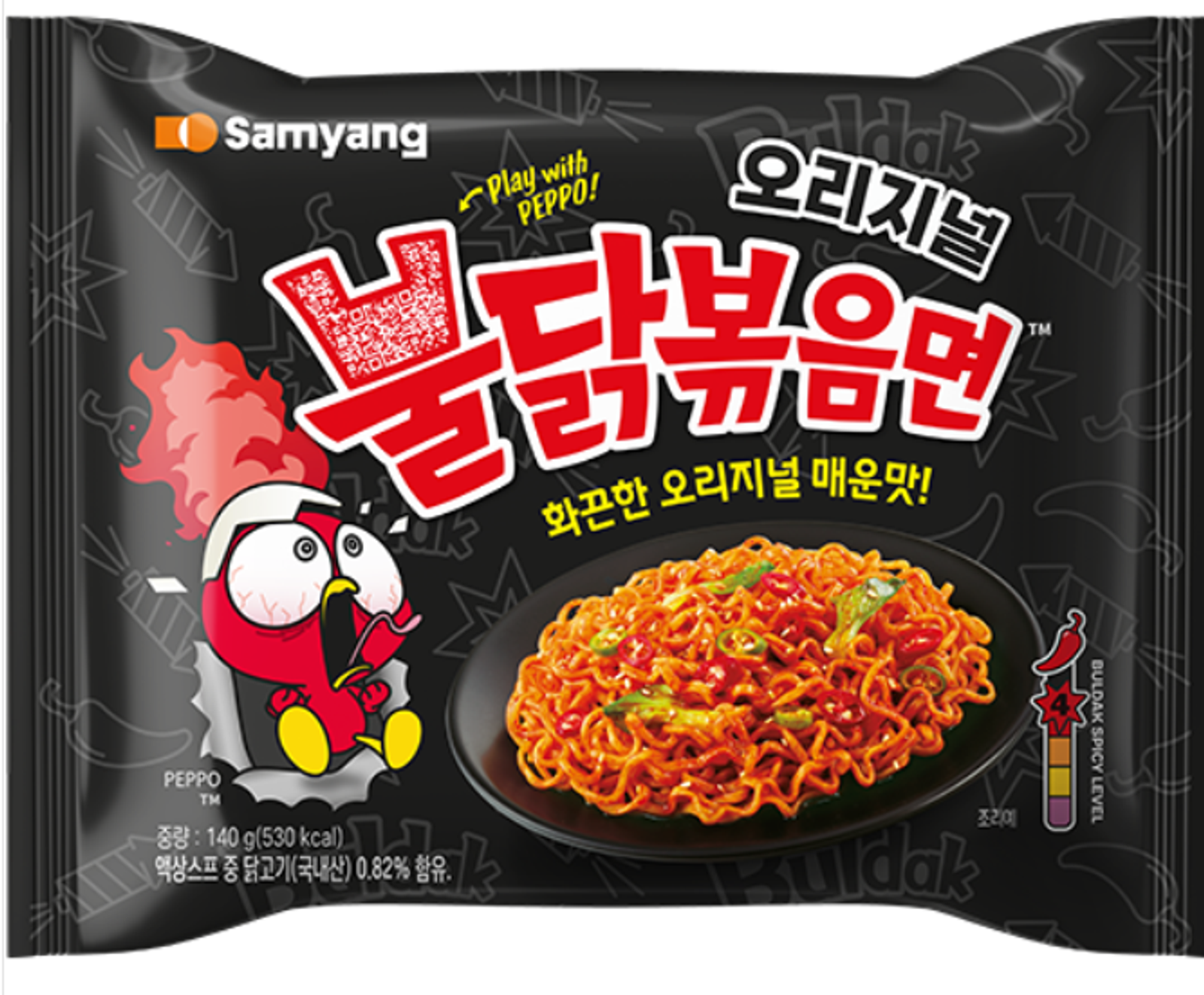
The benefits of price increases, however, are unlikely to be distributed evenly across the sector. Kiwoom Securities argues that companies producing instant noodles, snacks, and ice cream — categories with relatively low price points and limited substitutes — will have the greatest ability to pass on costs to consumers. Companies with thin operating margins, such as Nongshim, stand to see the largest improvement in earnings from any given price increase. International cigarette brands, whose prices are typically tied to excise-tax adjustments in each market, are also judged to have strong pricing power.
By contrast, the brokerage cautions that beverages, alcoholic drinks sold through restaurants and bars, and frozen foods all occupy higher price points where consumers have more alternatives. Consumer resistance in these categories could prove stronger than expected. A scenario in which alcohol price increases at dining establishments lead to a measurable decline in volumes represents a downside risk that investors should monitor.
For convenience-store operators, the outlook is more encouraging. Food accounts for 55–60% of total convenience-store sales, and the key product lines generally enjoy strong pricing power. Kiwoom Securities estimates that if processed-food CPI growth exceeds 5%, same-store sales growth could rise meaningfully.
Several caveats nonetheless apply. This analysis reflects the view of a single brokerage, and a number of factors could constrain food companies' ability to raise prices: government pressure to hold down living costs, demand weakness from stretched consumers, and the possibility of a further strengthening of the won. Notably, during the 2022–23 round of food price increases, the South Korean government intervened directly, urging companies to exercise restraint. Depending on how inflation develops, similar policy pressure could again limit companies' pricing strategies in the year ahead.