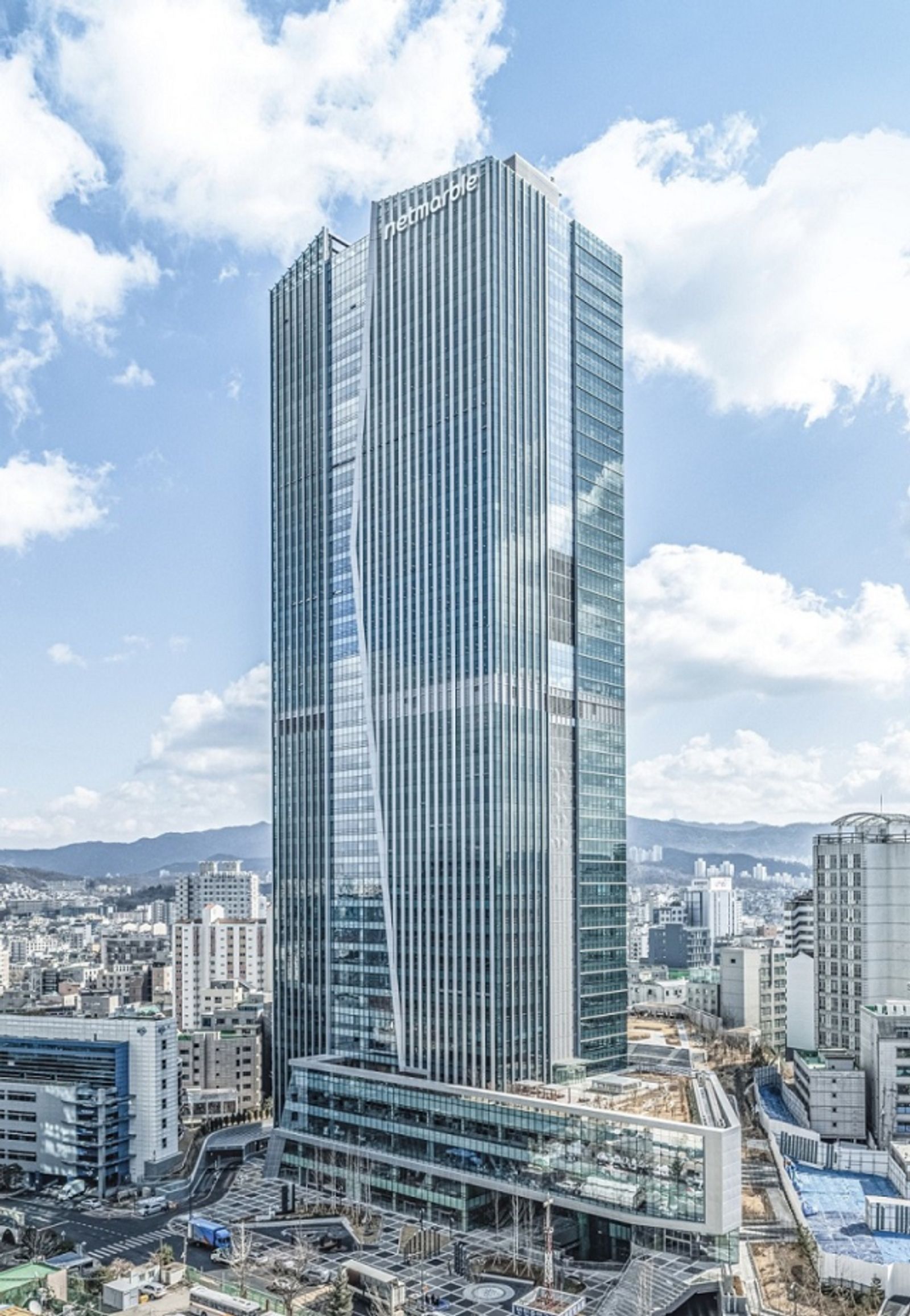
Netmarble's founder and chairman, Bang Jun-hyuk, has moved swiftly to acquire the 13.4% stake in the company held by Tencent, China's largest technology conglomerate, for approximately 374 billion won (roughly $280m). The transaction, striking in both its scale and timing, amounts to far more than a routine transfer of shares. It signals a deliberate reorganisation of Netmarble's ownership, a reassertion of managerial independence, and a strategic alignment with South Korea's growing effort to reduce its gaming industry's dependence on Chinese capital.
A shift in power: Bang tightens his grip
The acquisition substantially increases Bang's direct and indirect shareholding in Netmarble. Tencent had previously been the company's second-largest shareholder, with rights to observe board proceedings that gave it meaningful, if limited, influence over corporate decisions. The Chinese firm first took a stake in Netmarble in 2014, investing around 530 billion won as part of a strategic partnership. It subsequently trimmed its position over the years, and this latest transaction appears to mark its complete exit from the company.
For Bang, the deal removes a powerful external voice from the shareholder register and establishes a cleaner, more autonomous decision-making structure. That matters particularly now: Netmarble has spent recent years grappling with the twin burdens of heavy debt, accumulated through a string of large acquisitions, and the need to restore profitability. A stable, founder-controlled ownership structure is, in that context, a prerequisite for executing any credible long-term strategy.
Tencent's retreat: portfolio slimming as global strategy
The motivations on Tencent's side are equally worth examining. The Shenzhen-based group has spent the past few years actively rebalancing its global investment portfolio, which spans stakes in companies such as Riot Games and Epic Games. Facing tightened regulation of the gaming industry at home in China, alongside growing scrutiny of Chinese technology investment in the United States and Europe, Tencent has increasingly prioritised realising returns and reducing its exposure to non-core holdings.
Since 2022, the company has steadily reduced its shareholdings in gaming firms across South Korea, Japan, and Europe. Industry observers describe this pattern as strategic de-leveraging — a systematic conversion of minority stakes into cash, retaining only those assets considered central to its core business. The Netmarble disposal fits squarely within that framework.
Aligning with South Korea's de-Sinicisation trend
The deal also reflects a broader shift under way across South Korea's gaming industry. Major domestic developers have been pivoting away from reliance on the Chinese market, redirecting their ambitions towards North America, Europe, and South-East Asia. Netmarble has been active on this front: its acquisition of SpinX Games, a Canada-based mobile casino developer, and its operation of Marvel-branded games for the North American market are part of a deliberate push to diversify its revenue base geographically.
Industry analysts argue that the removal of a Chinese shareholder of Tencent's symbolic weight could, in itself, open doors. In the current regulatory climate, American authorities have shown considerable sensitivity towards co-operation with gaming companies that have Chinese capital on their shareholder registers. For Netmarble, being free of that association could prove a tangible advantage in pursuing intellectual property licensing deals and platform partnerships in Western markets.
Financing the deal: questions linger
A purchase price of 374 billion won is no small sum, and questions about how Bang has financed it are circulating in the market. Netmarble carries substantial debt — its net borrowings run to several trillion won — accumulated largely through its investment in Big Hit Entertainment (now Hybe, the entertainment group behind BTS) and its acquisition of Coway, a home appliance company. Interest payments have persistently weighed on operating profit.
Whether Bang has used personal funds, taken on external borrowing, or structured the acquisition indirectly through affiliated entities will materially affect how analysts assess the financial risk facing the broader Netmarble group. Regulators and investors alike are expected to scrutinise upcoming regulatory disclosures for a precise account of how the acquisition was funded.
A familiar playbook, with familiar risks
Founders buying out large external shareholders to consolidate control is not without precedent in the global technology and gaming industries. Mark Zuckerberg's gradual concentration of voting power at Meta (formerly Facebook) is frequently cited as an example of how founder-led governance can accelerate strategic decision-making. Yet the same structure invites criticism: concentrated ownership weakens checks and balances and elevates governance risk.
A South Korean parallel offers a cautionary note. Gamevil's progressive accumulation of shares in Com2uS — effectively a de facto merger between two listed entities — improved operational efficiency but generated persistent concerns about the treatment of minority shareholders. Netmarble will face analogous scrutiny. How the company communicates with retail investors and whether it strengthens its shareholder returns policy in the wake of this transaction will bear directly on market confidence in its shares.
The verdict will be written in results
This acquisition can be read as a public declaration by Bang that he intends to take personal responsibility for Netmarble's future. Markets, however, will remain sceptical until the numbers improve. Governance restructuring alone will not recover investor trust. The true measure of this transaction's success will be found in Netmarble's pipeline of new game releases planned for 2026 and beyond, its performance in North American and European markets, and the pace at which it reduces its debt burden.
In the longer term, with the complicating presence of Tencent removed, the central question becomes whether Bang's Netmarble can build a genuinely competitive global intellectual property strategy and platform offering under its own steam. The answer will define the next chapter not just for the company, but for the South Korean gaming industry as a whole.