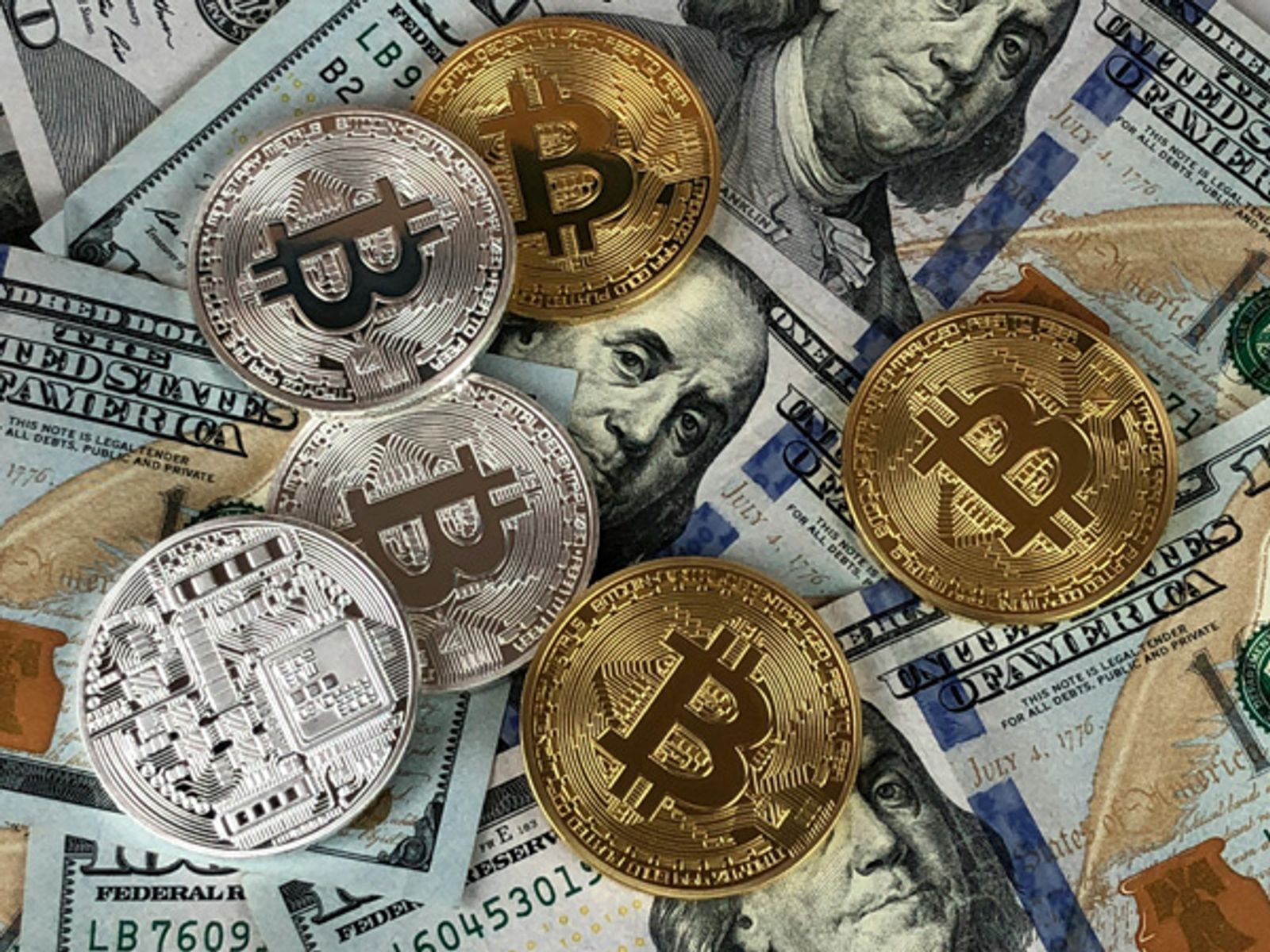
"It's colder than it was during Luna." This phrase, circulating through South Korea's cryptocurrency communities, captures the mood gripping the digital-asset market. When Terra-Luna collapsed in 2022, Bitcoin plunged roughly 70%, leaving deep scars on investors. Yet as the second half of 2025 approaches, many market participants say conditions feel even more hostile than they did then. The difference is not merely one of price. This time, multiple structural forces are bearing down simultaneously.
Macroeconomic headwinds: nowhere to hide
Previous crypto bear markets were generally triggered by a single catalyst—a regulatory shock, a hack, or the implosion of a specific coin. The current downturn is more layered. The United States Federal Reserve's high-interest-rate policy has lasted longer than markets expected, dampening appetite for risk assets broadly. A strong dollar and rising bond yields are drawing liquidity back into traditional safe havens. In 2022, the Luna collapse occurred in the early stages of a tightening cycle, when zero-rate conditions still prevailed; today, the structural headwind of restrictive monetary policy was already in place before the latest troubles began. That is a qualitative difference.
The International Monetary Fund noted in a 2024 report that the correlation between cryptocurrency markets and traditional financial markets had risen by as much as fourfold compared with the pre-pandemic period. Bitcoin is no longer a self-contained asset class insulated from conventional finance. When the Nasdaq wobbles, Bitcoin now wobbles with it.
Regulatory uncertainty drags on
The legal battle between the US Securities and Exchange Commission and the crypto industry has stretched across multiple years. After spot Bitcoin ETFs were approved, hopes ran high that institutional money would flood in; actual net inflows have fallen short of initial optimism. In Europe, the full implementation of the Markets in Crypto-Assets (MiCA) regulation has prompted some smaller exchanges to exit the market.
South Korea has its own complications. Since the Virtual Asset User Protection Act came into force, compliance burdens on exchanges have mounted. The stronger safeguards for retail investors are welcome, but critics argue they have also raised the barriers to entry and dampened trading volumes. Industry estimates suggest that average daily trading volumes on the country's leading exchanges, Upbit and Bithumb, have fallen more than 60% from their 2021 peak.
The crucial difference from Luna: the "reserve assets" are wobbling too
The essence of the 2022 Luna crisis was the failure of a specific experiment—algorithmic stablecoins. At the time, Bitcoin and Ether suffered but retained their status as the bedrock assets of the crypto world. What is different now is that the narrative around Bitcoin itself is fraying. The "digital gold" story loses persuasive force when the price of actual gold is setting all-time highs while Bitcoin stagnates.
According to the blockchain analytics firm Chainalysis, selling pressure from long-term holders—those who have held for more than a year, often called "diamond hands"—has increased noticeably over recent months. Their retreat suggests that the market's last line of defence is weakening. Miner-capitulation indicators are also approaching warning levels. With mining rewards halved after April's halving event, smaller operators unable to cover electricity and running costs are offloading their holdings onto the market.
The Mt. Gox overhang: a structural supply bomb
The bankruptcy of Mt. Gox, once the world's largest Bitcoin exchange, dates to 2014. The court-ordered repayment of its creditors has brought roughly 142,000 Bitcoin back to the surface—worth tens of trillions of Korean won at current prices—and the prospect of this supply hitting the market remains a persistent concern. Given that creditors have waited more than a decade, analysts broadly expect strong pressure to realise gains. This is an entirely new source of supply pressure that did not exist during the Luna episode.
Governments disposing of confiscated Bitcoin add a further, ever-present downward force. The US Department of Justice's holdings connected to the Silk Road darknet market, and Germany's earlier sell-down of seized coins, have conditioned market participants to fear state-driven supply shocks.
Lessons from abroad: Japan and the United States
Japan's response to the 2018 Coincheck hack—sweeping regulation and robust investor-protection rules—initially shrank the market. Over time, however, an institutionalised framework attracted gradual participation from professional investors and the market proved more resilient as a result. The United States took a different path, linking crypto to mainstream finance through ETF approval; the irony is that this has accelerated the transmission of shocks from traditional markets into the crypto space.
Research from the National University of Singapore's Business School found that cryptocurrency markets in jurisdictions with clear regulatory frameworks exhibited volatility an average of 23% lower than those without. Regulation, the study implies, is not a short-term obstacle but the foundation of long-term stability.
A market divided between despair and hope
Pessimists and optimists are sharply at odds. Bears point to Bitcoin repeatedly breaking through technical support levels and to on-chain data showing insufficient fresh buying interest. Alex Köpf, an analyst at Merck Research, argues that "the bigger problem right now is not the price decline itself but the absence of new demand willing to absorb it."
Bulls, paradoxically, read the current level of fear as a signal of opportunity. They note that every time the Crypto Fear & Greed Index has entered "extreme fear" territory, history has tended to offer medium-to-long-term buying opportunities. Cathie Wood of Ark Investment Management maintains that Bitcoin's long-term investment thesis remains intact and that short-term noise is being given undue weight.
Outlook: the growing pains of structural change
The current bear market may be less a routine cyclical downturn than the painful structural reorganisation that accompanies crypto's absorption into the mainstream financial system. Broader institutional participation, the bedding-in of regulatory frameworks, and greater efficiency in the mining industry are all forces that could, over time, improve the market's underlying constitution. Yet the pain that retail speculators must endure in the interim may be greater than in previous cycles.
The implications for South Korea's financial regulators and industry are equally clear. Striking the right balance between protecting investors and keeping markets alive will determine how competitive the country's digital-asset ecosystem remains. If the feeling that "it's colder than during Luna" reflects genuine structural transition rather than mere hyperbole, then what the market demands of its participants is not heightened sensitivity to daily price swings, but the deeper judgment to read where the industry is fundamentally heading.