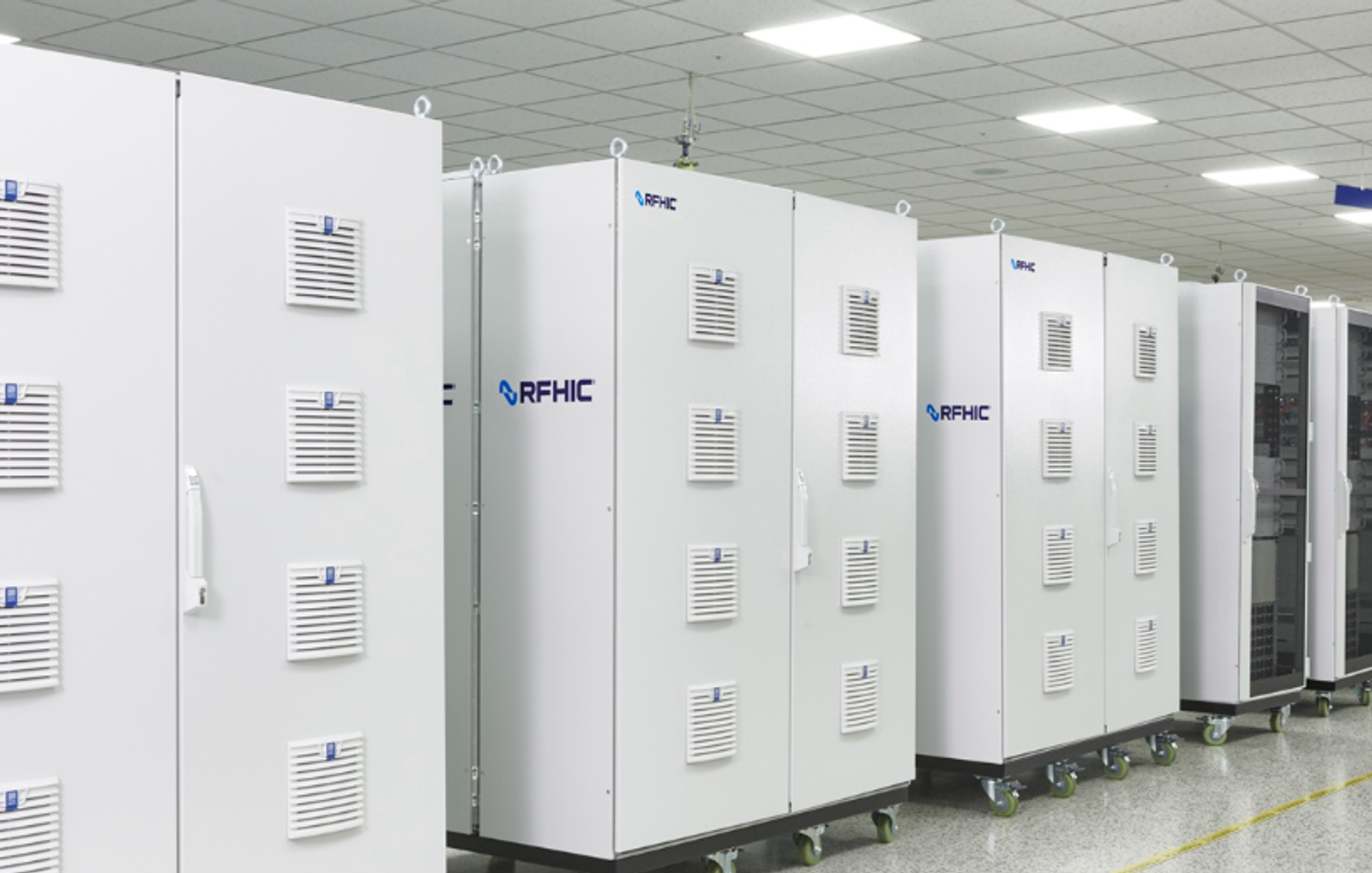
In a weekly telecoms services and equipment report published on 11th September 2026, Hana Securities predicted that spectrum auctions in the United States and South Korea in 2027 would mark the beginning of a large-scale rally in telecoms equipment shares. The brokerage recommended long-term aggressive buying of leading domestic equipment makers, including RFHIC, KMW, LIG Acebor, Solid, and OI Solutions.
Kim Hong-sik, the analyst behind the report, noted that the United States has confirmed it will allocate the 4.0GHz band in April 2027, while South Korea is expected to auction the 3.7GHz frequency band in the first half of the same year. Both bands are being put to commercial use for the first time, and the allocated bandwidth is substantial. The United States is set to assign a record total of 800MHz of spectrum between 2027 and 2029, a volume Hana Securities believes will have a significant ripple effect on the global telecoms equipment market.
The report characterises the telecoms equipment sector as a classic "narrative sector"—one that responds more sharply to long-term investment theses than to near-term earnings. Historical precedent bears this out: share prices in the sector have typically moved one to two years ahead of actual results. Many domestic equipment makers bottomed out in the second quarter of 2025, surged sharply in the first half of 2026, then tumbled in June and July before attempting a renewed recovery from August onwards. Hana Securities describes the current moment as the early stages of a second upward leg within a longer wave cycle, and suggests that stocks which have fallen more than 50% from their peaks could more than double over the next 12 months.
Some equipment makers are already showing signs of improving results, even during what is traditionally a slow season. The primary driver is market share gains resulting from a reduction in the number of suppliers. Even in an environment of modest global capital investment, equipment shipment volumes are rising on the back of maintenance work and small-scale upgrades alone—a trend most visible at LIG Acebor and Solid. LIG Acebor disclosed on 3rd September that it had signed a supply contract worth 29.1 billion won with LG Uplus for Core Probe equipment.
Such forecasts reflect the optimism of sell-side analysts, and investors should weigh several risk factors before acting on them. Spectrum auction timetables are subject to delay or revision at the discretion of regulators; the schedule for South Korea's 3.7GHz auction has yet to be finalised. The telecoms equipment sector is also closely tied to the capital expenditure (capex) cycles of mobile operators, meaning the timing and scale of carrier investment will determine the ultimate benefit to equipment vendors. Global economic uncertainty and currency fluctuations present additional variables for companies with significant export exposure.
According to a valuation table appended to the report, SK Telecom's share price stood at 91,300 won as of 11th September, up 70.7% year-to-date—marginally ahead of the benchmark KOSPI index, which had gained 67.3% over the same period. By contrast, KT edged up just 1.0% year-to-date to 53,100 won, while LG Uplus rose a modest 1.3% to 14,910 won, highlighting a sharp divergence in performance among the three major South Korean carriers. The telecoms services sector as a whole returned 26.3% year-to-date, substantially lagging the KOSPI's 67.3% gain. For the week ending 11th September, the sector underperformed the KOSPI by 7.9 percentage points.
Among telecoms services stocks, Hana Securities named SK Telecom as its top pick and recommended buying on current weakness. It attributed the near-term share price softness to an absence of earnings growth momentum and to prevailing interest rates compressing the attractiveness of the dividend yield. Nevertheless, the brokerage argued that if market rates begin to fall in 2027 and operators launch new 5G tariff plans, the investment case for telecoms services stocks could strengthen considerably. A dividend yield in excess of 4% could be re-rated favourably once rate cuts materialise.
International developments may also provide a tailwind for Korean equipment makers. India is reportedly considering a wholesale replacement of ageing Chinese-made equipment in its mobile networks. The Indian Ministry of Telecommunications has recently been collecting information from carriers about their dependence on Chinese vendors, with the Ministry of Home Affairs expected to make the final decision on any replacement mandate. Airtel, Vodafone, and BSNL are understood to be operating legacy Chinese equipment, and Korean vendors could join Ericsson, Nokia, and Samsung Electronics as potential beneficiaries of any resulting procurement.