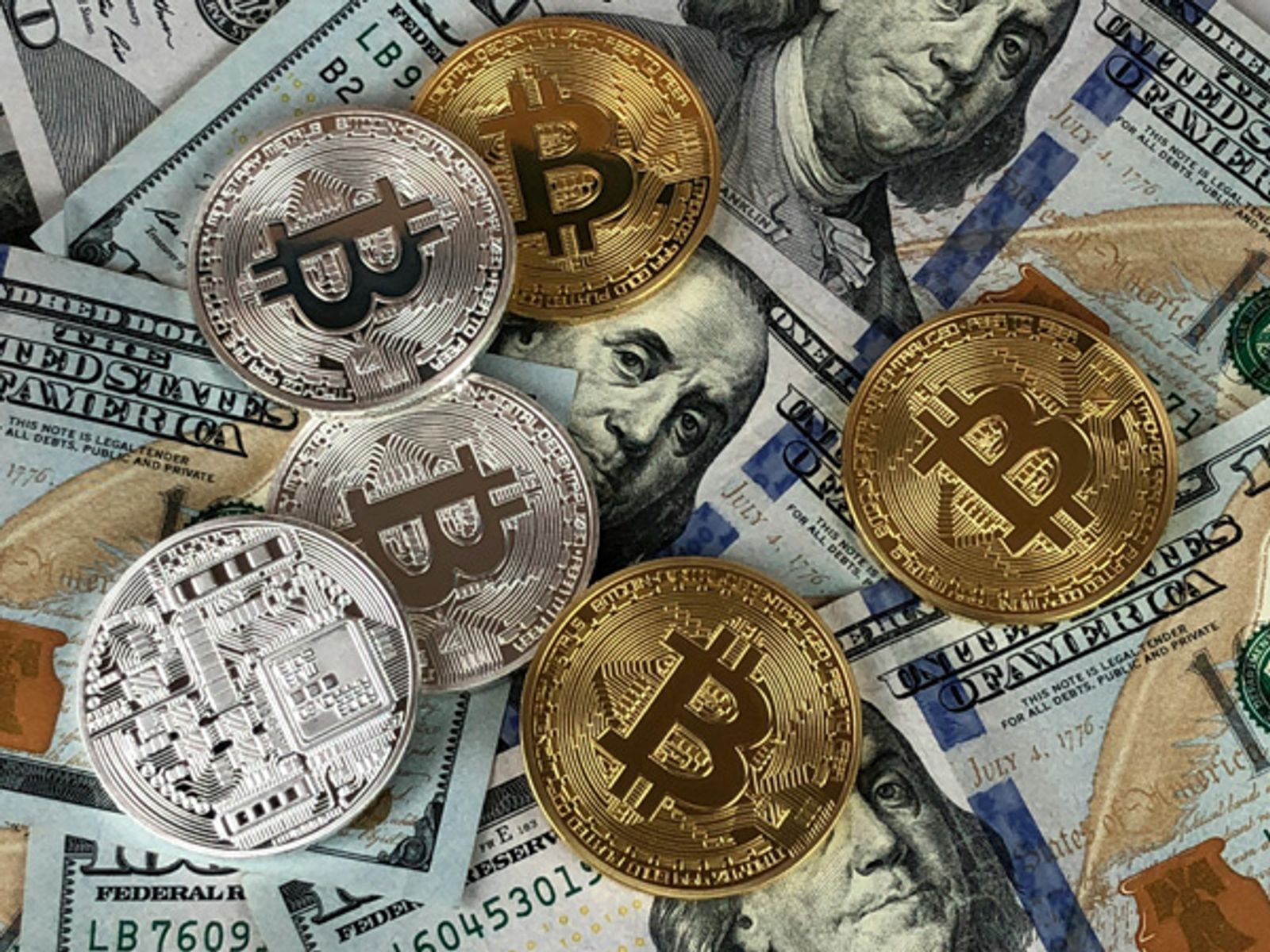
News that Kiwoom Securities is considering a equity investment in Bithumb, one of South Korea's largest cryptocurrency exchanges, has riveted the financial industry. A capital union between a traditional brokerage and a virtual-asset exchange is virtually without precedent in South Korea, and analysts say it could serve as the opening salvo in the wholesale dismantling of the boundary between conventional capital markets and the digital-asset world.
Tearing down the wall between traditional finance and crypto
Kiwoom Securities has long held the top share of South Korea's online stock-trading market. It has more individual retail clients than any other domestic broker, measured by number of accounts, and has built its competitive edge on a low-cost, fully digital model. Bithumb, founded in 2014, has established itself alongside Upbit as one of the country's two dominant cryptocurrency exchanges; by 2024, average daily trading volumes on South Korean virtual-asset platforms were running into the trillions of won.
The potential combination would amount to far more than a simple equity acquisition. Its significance lies in the integration of customer bases, trading infrastructure and regulatory expertise. For Kiwoom, the deal would provide a bridgehead from which to offer its existing equity investors access to cryptocurrency trading. For Bithumb, backing from a regulated financial institution would lend it credibility and capital, helping it attract institutional clients and upgrade its services.
Why now? A shifting regulatory landscape
The backdrop to this move is a rapid change in the rules governing virtual assets, both at home and abroad. The Virtual Asset User Protection Act, which came into force in 2024, enshrined in law the obligations of exchanges to safeguard client assets and codified prohibitions on market manipulation, laying the groundwork for crypto's formal integration into the regulated financial system. In 2025, full legislative debate on a comprehensive Virtual Asset Business Act is expected to gather pace, giving concrete shape to capital requirements for exchanges, governance standards, and the terms on which they may collaborate with financial firms.
Abroad, the approval of spot bitcoin exchange-traded funds in the United States in 2024 and a softening of the Securities and Exchange Commission's regulatory stance have accelerated the entry of global institutional investors into crypto markets. In Japan, established financial groups such as Nomura and SBI have moved into the space either by establishing dedicated virtual-asset subsidiaries or by investing directly in exchanges. SBI Holdings operates SBI VC Trade, Japan's third-largest crypto exchange, and has successfully executed a strategy of integrating securities and digital-asset services on a single platform.
At home, the Financial Services Commission's push to institutionalise security token offerings (STOs) has sharpened the strategic imperative for brokerages to secure crypto infrastructure early. The Korea Institute of Finance has noted that once the STO market matures, the business domains of conventional brokerages and virtual-asset exchanges will overlap substantially.
Kiwoom's strategic calculus
There are several strategic reasons why Kiwoom has its eye on Bithumb in particular. The first is fee revenue tied to trading volume. Cryptocurrency markets generate more transactions the greater the price volatility — making them an attractive new revenue stream for brokerages squeezed by relentless commission-fee competition in equities. When the bitcoin price surpassed 100m won in 2024, average daily trading volumes on South Korean crypto exchanges rose to levels comparable with those on the Korea Composite Stock Price Index (KOSPI), the country's main equity benchmark.
The second consideration is retaining retail clients. There is a clear trend, particularly among younger, millennial and Generation Z investors, of migrating from equities into crypto. Given that many of Kiwoom's existing customers already maintain separate cryptocurrency accounts, a service enabling them to manage stocks and digital assets within a single platform could generate powerful lock-in effects.
The third factor is the prospect of a revaluation of Bithumb itself. Since 2023 the exchange has been working steadily to normalise its corporate governance, and the possibility of an initial public offering has been a recurring topic of speculation. Were Kiwoom to acquire a stake ahead of any IPO, it could also stand to make a capital gain when the listing eventually occurs.
The risks: regulatory uncertainty and reputational hazard
The investment review is not without considerable risk. The most significant obstacle is regulatory. Neither the Financial Supervisory Service nor the Financial Services Commission has yet established clear rules explicitly permitting a licensed securities firm to acquire a stake in a cryptocurrency exchange. Multiple regulatory questions would need to be resolved — including the permissible scope of ancillary activities for securities firms and the criteria for bringing an entity within a financial group — and the structure of any investment could change depending on how regulators interpret existing rules.
Bithumb's chequered past is another variable. The exchange was embroiled in legal jeopardy between 2019 and 2020, when its then-controlling shareholder faced allegations of embezzlement and breach of fiduciary duty. Even though those legal proceedings have concluded, some in the industry worry that brand trust has not fully recovered, and that association with Bithumb could expose Kiwoom to reputational damage.
The inherent volatility of cryptocurrency markets also clouds the financial outlook. Trading volumes can collapse in short order in response to macroeconomic shifts, regulatory announcements or technical incidents, making earnings far harder to forecast than in traditional finance.
What industry observers and academics say
Practitioners in the financial-investment industry broadly regard the strategic direction as an inevitable one, even as they focus on the specifics of how any deal might be structured. One executive at an asset-management firm put it this way: "Securities firms entering the virtual-asset market is a sign of the times, but whether the vehicle is an equity stake or a business partnership makes an enormous difference to the regulatory risk and the financial impact."
In academia, some argue that the attempt could become a microcosm of wider structural change in South Korea's capital markets. A researcher at the Korea Capital Market Institute urged regulators to get ahead of events: "A sustainable union between traditional brokerages and virtual-asset platforms requires that investor-protection frameworks, systemic-risk management and conflict-of-interest safeguards all be put in place first."
Implications and outlook
Whether or not the Kiwoom-Bithumb talks result in a deal, the episode may come to be seen as a symbolic marker of a new era — call it Brokerage 2.0 — in South Korean finance. It is understood that other major domestic brokerages are already quietly weighing their own strategies for entering the virtual-asset market. Those that move first are likely to secure an advantageous position as the regulatory framework takes shape.
The challenge for policymakers is equally clear. Unless the forthcoming Virtual Asset Business Act spells out the conditions under which traditional financial firms may enter the sector, together with capital-adequacy standards and consumer-protection provisions, the market risks being reshaped in a disorderly fashion in a regulatory vacuum. South Korea's first serious experiment in merging securities and crypto will ultimately succeed or fail depending on how well the pace of regulation keeps step with the pace of market innovation.