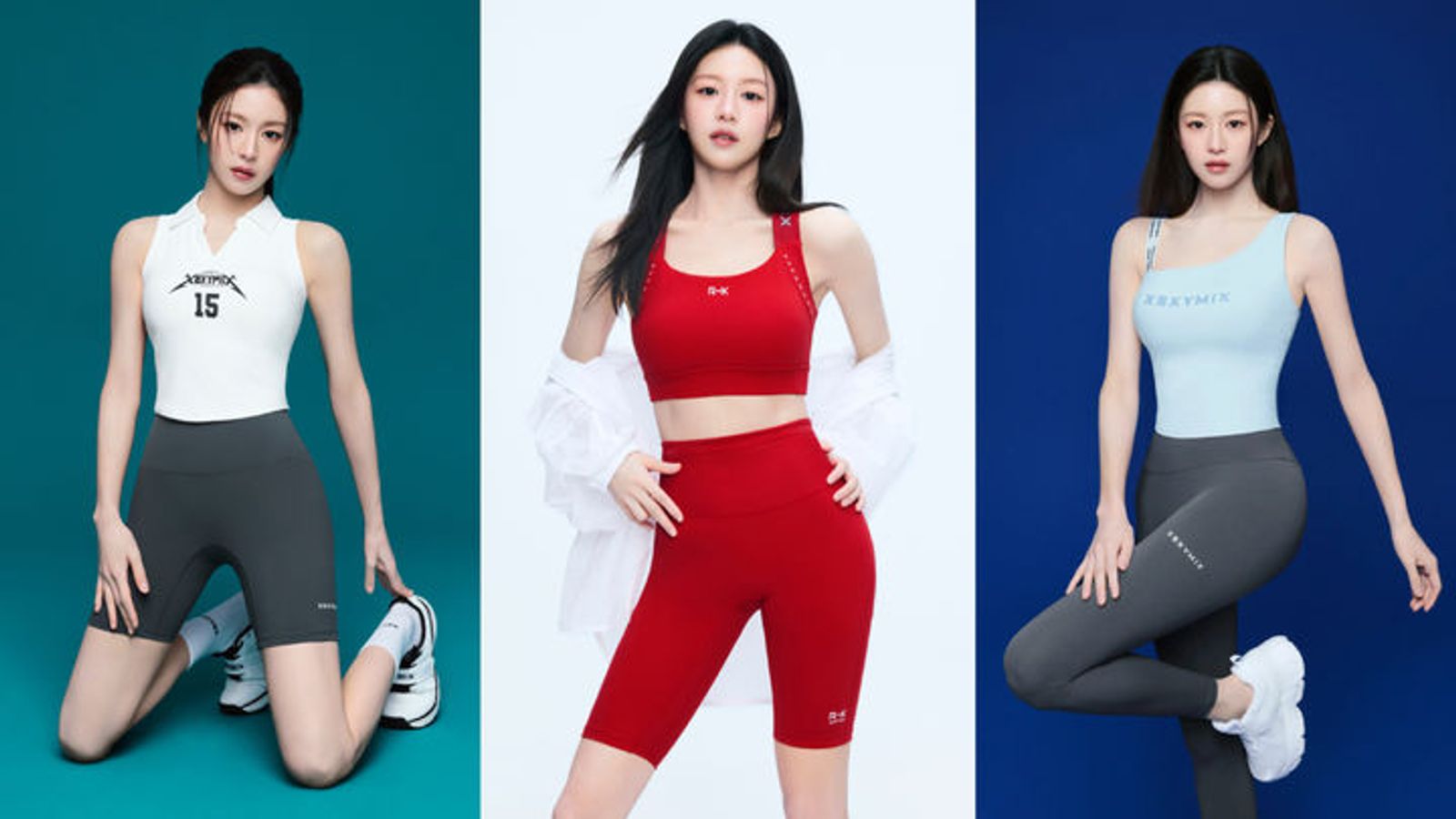
Since the actress Ko Yoon-jung was signed as its brand ambassador, Xexymix has seen sales of select product lines surge by as much as 23 times. The campaign has moved well beyond the usual bump in brand awareness to produce a sharp and immediate uplift in actual purchases—reaffirming that celebrity endorsement remains the single most potent sales driver in South Korea's fashion and sportswear market.
When the numbers speak for themselves
Xexymix was founded in 2015 as a subsidiary of outdoor apparel group Black Yak, riding the rapid rise of South Korea's athleisure market. Built around functional sportswear, particularly leggings, the brand has carved out a mid-to-premium positioning, competing against the likes of Lululemon and domestic rival Andar. A 23-fold jump in sales for a specific product line is difficult to dismiss as a fleeting spike. The typical "launch boost" that follows a new brand ambassador appointment tends to run at two to three times baseline; a factor of 23 is, by any measure, exceptional.
Industry observers attribute the scale of the effect to the particular fit between Ko and the brand's identity. Ko projects a combination of athletic vitality and polished sophistication that resonates strongly with Xexymix's core target demographic of women aged 20 to 40. In marketing theory, the concept of "brand-endorser congruence"—the degree to which a celebrity's image aligns with that of the brand—is well established as a driver of purchase intent. A study published in the Korean Marketing Association's journal in 2022 found that high model-brand image alignment was associated with a conversion rate approximately 34% higher than in cases where the fit was weak.
In athleisure, the ambassador is the brand
South Korea's athleisure market was estimated to have exceeded 3 trillion won (roughly $2.2bn) in 2023. The pandemic cemented a home-workout culture and blurred the line between gym wear and everyday clothing, and the market has continued to grow steadily since. As functional differentiation between competing products becomes increasingly difficult, brands in this space are channelling ever-larger sums into emotional positioning through celebrity ambassadors.
Andar successfully elevated its brand image by signing the acclaimed actress Jeon Do-yeon, while Lululemon has opted for a community ambassador model rather than relying on star power, cultivating a loyal customer base in the process. The strategies differ, but the underlying logic is the same: each brand is trying to trigger what marketers call "identity consumption"—the consumer's desire to become a certain kind of person by wearing a particular product.
Fandom meets frictionless commerce
What makes the Ko Yoon-jung effect especially striking is the speed with which fan loyalty translated into purchasing behaviour. In the past, the impact of celebrity endorsements was often confined to improvements in brand awareness or favourability scores, without directly shifting sales. In today's environment, where social media and e-commerce are seamlessly integrated, a single Instagram post or YouTube video can generate real-time purchases at scale.
A 2024 survey by the Korea Consumer Agency found that approximately 61% of South Korean consumers had searched online for a product they had seen a favourite celebrity wearing on social media, and that around 38% of those searches ended in a purchase. The larger a celebrity's following and the more active their fan base online, the steeper that conversion rate tends to be.
Ko built a devoted following through her roles in the television dramas *Extraordinary Attorney Woo* and *Maestra*, and her fans—particularly women in their teens to thirties—are exceptionally active online. The pattern is now familiar: within hours of a promotional post going live, search volumes on online shopping platforms explode and items sell out.
Lessons from abroad: the double-edged sword
International precedents illustrate both sides of celebrity marketing. Nike's collaboration with Michael Jordan produced the Air Jordan line, which generated $100m in revenue in its first year in 1985 and remains the textbook example of endorsement done right. At the other extreme, Adidas's acrimonious split with the rapper Kanye West—who performs under the name Ye—in 2022 demonstrated how a single ambassador's conduct can destabilise an entire brand. The fallout from the terminated contract left Adidas saddled with hundreds of millions of dollars' worth of unsellable Yeezy inventory.
The risk is equally real in South Korea. There is no shortage of domestic cases in which a celebrity's personal conduct or public controversy has inflicted immediate damage on a brand's image. In response, companies are increasingly tightening reputational-risk clauses in endorsement contracts and diversifying their ambassador portfolios to reduce reliance on any single figure.
The harder question: can the brand stand on its own?
Behind the remarkable headline figure lies an uncomfortable question. When the Ko effect fades, will Xexymix be able to sustain its momentum independently? There is a meaningful distinction between consumers who love Ko Yoon-jung and consumers who love Xexymix—and the two must not be confused.
Marketing professionals call this the "celebrity dependency trap". For a short-term sales explosion to translate into lasting brand loyalty, product quality and the overall customer experience must be strong enough to justify the association in the first place. There are multiple examples in South Korea's leggings market of brands that enjoyed dramatic sales surges following a high-profile signing, only to suffer an equally sharp decline once that ambassador moved on.
For Xexymix, the strategic imperative is clear: the Ko effect must not be treated merely as a revenue event. Converting the wave of new customers into repeat buyers requires a carefully designed customer relationship management strategy that captures and retains them long after the initial excitement subsides.
Outlook
South Korea's athleisure market is forecast to sustain annual growth of between 5% and 7% beyond 2026, supported by structural tailwinds including an ageing population, rising health consciousness, and the millennial and Gen Z embrace of an active lifestyle. Celebrity marketing will remain a valid and potent tool in this environment, but its effects are likely to become more fragmented and shorter-lived over time. As consumers grow more discerning and the range of available choices widens, blanket celebrity exposure will need to be supplemented by micro-influencer strategies that offer something harder to fake: the authentic, first-hand experience of using the product.
The Xexymix and Ko Yoon-jung campaign represents celebrity marketing at its most effective—a near-perfect demonstration of what can be achieved when brand and ambassador align. But translating that burst of commercial energy into durable competitive advantage will require strategic depth that goes well beyond the sales figures themselves. That challenge is one the entire industry would do well to study.