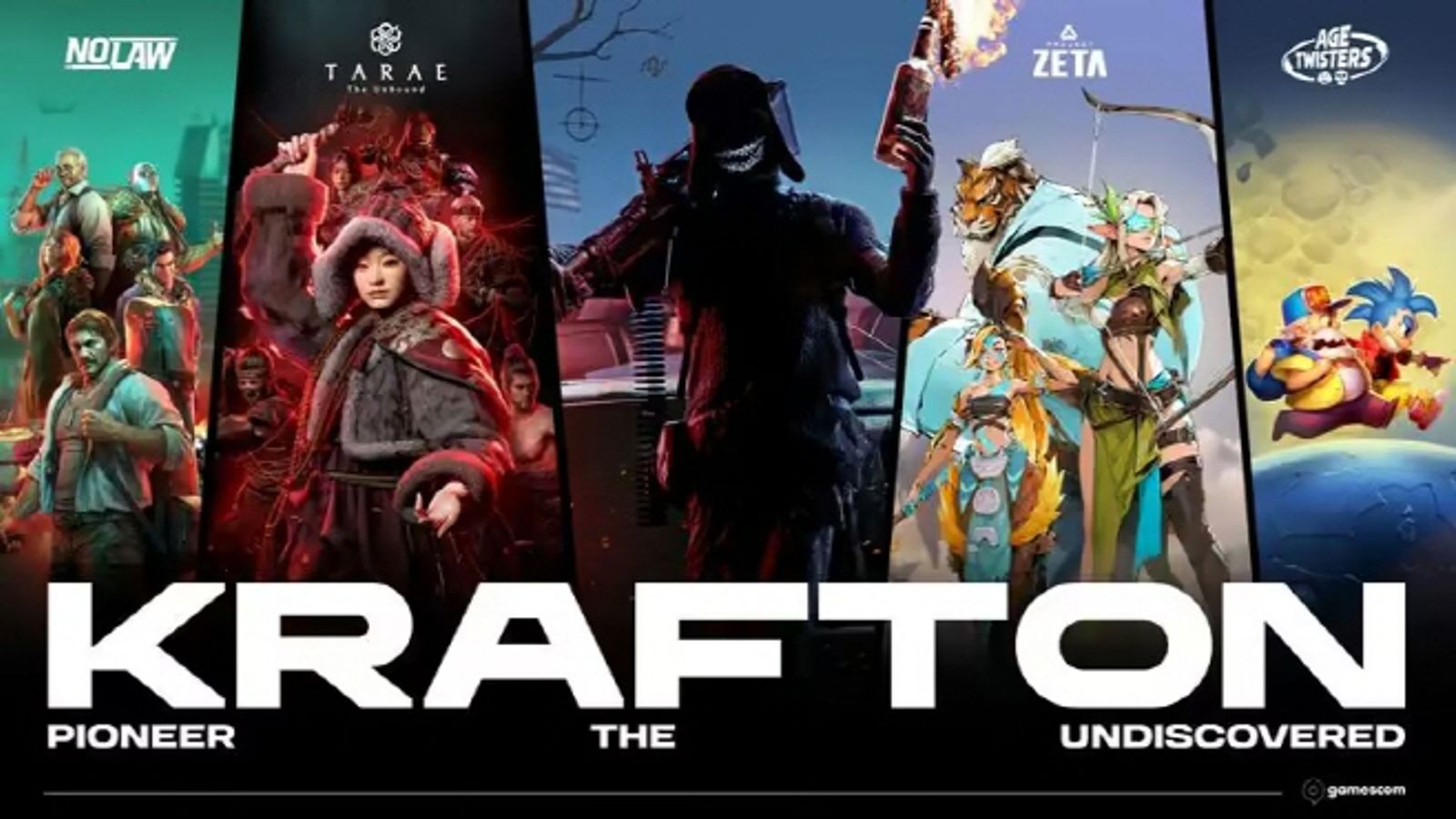
Krafton is accelerating a strategy of intellectual-property diversification, unveiling a succession of new titles in an effort to reduce its overwhelming reliance on a single franchise. As the second half of 2026 gets under way, the company's moves read less as routine product launches and more as a deliberate, long-term restructuring of its business.
The double-edged legacy of Battlegrounds
Krafton was catapulted onto the global stage in 2017 when PlayerUnknown's Battlegrounds (PUBG) became a worldwide phenomenon. At its peak in 2018, the game exceeded 3m simultaneous users on Steam, effectively defining the battle-royale genre. Yet that very success bred a structural vulnerability: more than 80% of Krafton's annual revenues have consistently derived from the PUBG franchise, a concentration that investors have long flagged as a chronic risk.
The contrast with rivals is stark. Riot Games, Nexon, and Netmarble each spread their revenues across portfolios of dozens of IPs. Krafton's single-franchise dependency has therefore cast a persistent shadow over its long-term growth prospects.
A new wave of titles: diversifying genre and platform
The games Krafton has unveiled in 2026 signal a clear intention to break from established patterns on two fronts simultaneously — genre and platform. The company is developing projects across a broad spectrum: open-world survival games, narrative-driven titles with an indie sensibility, and mobile casual games.
There are signs that Krafton is expanding its commitment to story-driven, single-player content, drawing on lessons from The Callisto Protocol, developed by its subsidiary Striking Distance Studios. In parallel, the company is building mobile titles aimed squarely at emerging markets in India and South-East Asia, combining geographic diversification with IP diversification into a dual-pronged strategy.
Lessons from abroad: escaping a single IP is rarely straightforward
The history of the games industry offers a cautionary tale. Blizzard Entertainment took years to reduce its dependence on World of Warcraft, enduring the failure of several projects along the way — Heroes of the Storm among them. Supercell, too, had to shelve numerous internal projects before producing a hit to rival Clash of Clans.
According to games industry research firm Newzoo, among the world's top-tier games companies, those that derive more than 70% of revenues from a single title exhibit stock-price volatility more than twice the industry average. That statistic goes some way to explaining why Krafton is moving with urgency.
Building the pipeline: internal capability and external investment
Krafton is pursuing a two-track approach: strengthening its in-house development capabilities while simultaneously investing in and acquiring external studios. Sustained investment in India's gaming start-up ecosystem, alongside partnerships with developers in North America and Europe, has already contributed to a growing pipeline. The company is understood to have taken stakes in more than ten studios since 2023.
Industry opinion on the strategy is divided. One games sector analyst described Krafton's cash-generation capacity as "still among the best in the industry," adding that "an aggressive investment strategy built on that foundation should prove effective in securing portfolio diversity over the medium to long term." Others are less sanguine, warning that the commercial prospects of the new titles remain highly uncertain, and that a profitability gap could emerge if PUBG's drawing power continues to fade.
Caught between expectation and anxiety
Analysts on the sell side broadly agree that the success or failure of Krafton's diversification drive will be the decisive variable in determining the company's future valuation. PUBG Mobile's global user base remains robust enough to buy the company time, but the rapid rise of new competitors and the accelerating pace of genre-trend shifts are creating pressure to move quickly.
What is notable is that Krafton appears to be pursuing quality over quantity — giving each new project a distinct market target and a clear genre identity, rather than simply flooding the market with releases. This approach suggests the company has absorbed the lessons of Korean gaming peers that rode a single hit hard and then faded when they struggled to do anything more than repackage it.
The verdict: 2027 as the watershed
Industry observers broadly place 2027 as the year by which Krafton's diversification strategy will need to show tangible results. The release schedules of its currently announced titles, and the market responses they generate, are expected to crystallise around that period.
Whether Krafton can complete the transition from a company built on one giant franchise to a portfolio games publisher with multiple mid-tier IPs remains an open question — and the experiment is only now finding its feet. The outcome will serve as a telling indicator of whether the South Korean games industry as a whole can develop the structural diversity it has long lacked.