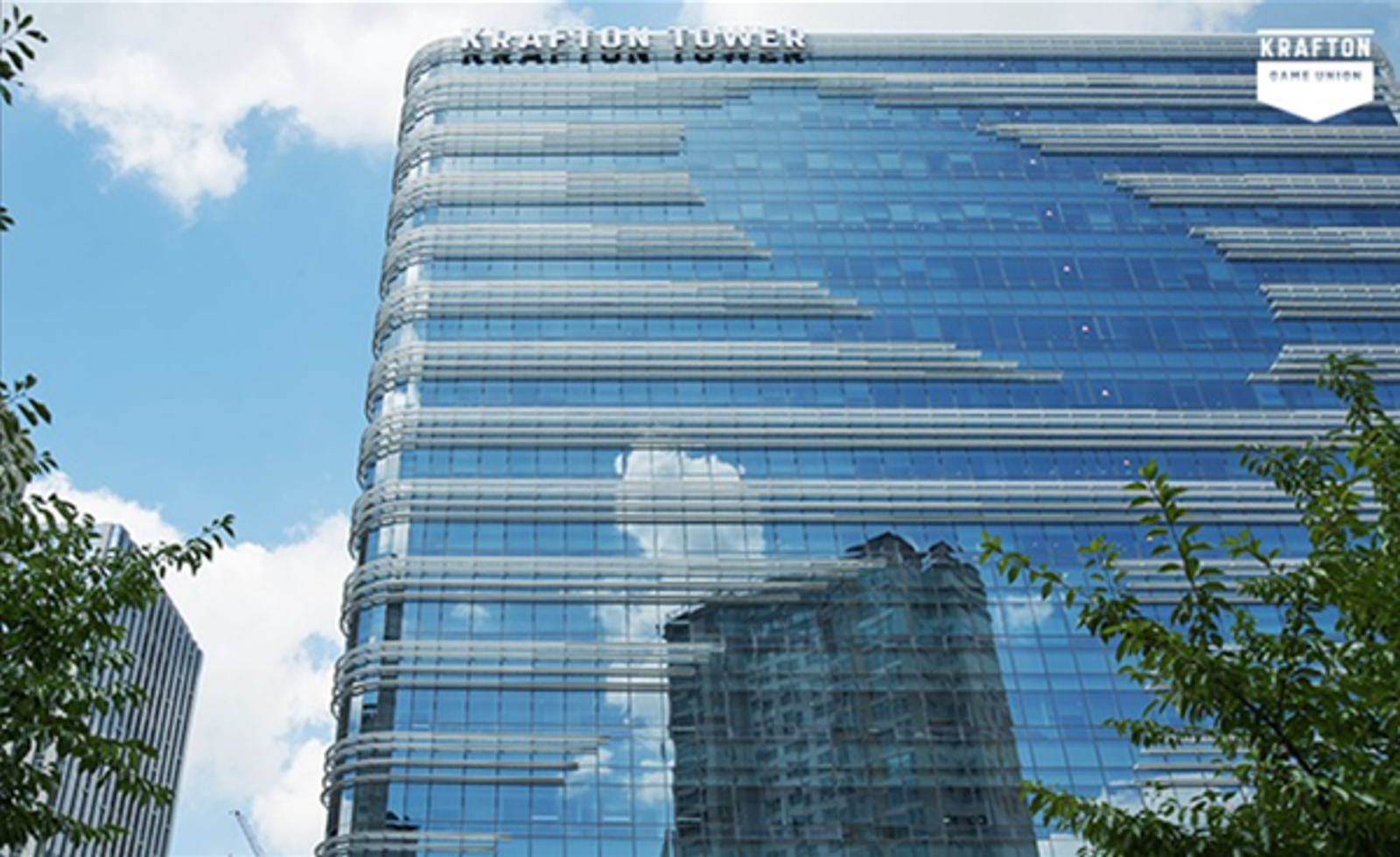
Krafton will showcase five new titles at Gamescom, the world's largest gaming trade show, when it opens in Cologne, Germany in August 2025. The appearance comes amid persistent industry scepticism that the South Korean developer has failed to produce a meaningful successor to PlayerUnknown's Battlegrounds (PUBG), the battle-royale phenomenon that remains its defining product. Analysts and investors will be watching closely to see whether the company's portfolio diversification strategy is finally bearing fruit.
Gamescom attracts more than 500,000 visitors annually and draws participation from over 1,000 companies worldwide. Beyond its role as a showcase for new titles, the event functions as a major business-to-business hub where deals between developers and Western publishers and distributors are actively negotiated. For Krafton, the expo represents not merely a product launch platform but a stage on which to demonstrate its ambitions for expanding global partnerships.
The company has been attempting to broaden its genre mix since 2023, moving into life-simulation titles such as inZOI and the Dinkum franchise, as well as survival-adventure games. inZOI, a lifestyle simulation game built on Unreal Engine 5, generated encouraging reviews on Steam following its early-access release in 2024 and offered the first tangible sign that Krafton could reduce its dependence on PUBG. Whether the five Gamescom titles extend this diversification strategy or venture into entirely new genres is a question the industry is eager to have answered.
The financial stakes are considerable. PUBG and its associated titles are estimated to account for more than 80% of Krafton's total revenues. The dangers of single-franchise dependence are well illustrated by the experience of Nexon, another South Korean games giant, whose earnings collapsed when its flagship title Dungeon & Fighter suffered a service suspension in China after years of heavy reliance on that one property. Securities analysts argue that Krafton must raise the revenue contribution of non-PUBG intellectual property to above 20% by 2026 or 2027 if it is to sustain meaningful growth.
The competitive landscape at Gamescom is unforgiving. Sony, Microsoft, EA and Ubisoft will all be present, unveiling their own slates of new titles, which means Krafton's five games must cut through considerable noise. Outside of PUBG, Krafton's brand recognition among Western consumers remains relatively limited—a structural weakness the company has yet to overcome.
There are grounds for cautious optimism, however. Krafton has worked hard to re-establish Battlegrounds Mobile India (BGMI) in what is now one of the world's most important gaming markets, while simultaneously investing in Indian gaming start-ups and pursuing acquisitions of local developers. Gamescom thus presents a dual challenge: to demonstrate credibility in Western content markets while validating a parallel strategy of building an ecosystem in high-growth emerging markets.
Industry observers identify three things to watch at the expo. First, whether the new titles target a meaningfully different audience from PUBG's core player base, signalling genuine genre diversification. Second, whether any publishing agreements or investment deals are announced on the floor—concrete commercial outcomes that would distinguish substance from showmanship. Third, and perhaps most consequential for the company's share price, whether Krafton reveals a full release date for inZOI; a confirmed launch schedule for the second half of the year could serve as a significant positive catalyst.
The implications extend beyond Krafton itself. South Korea's games industry has long been defined by a handful of dominant players—Nexon, Netmarble and NCSoft, collectively known in the domestic market as the "3N"—but that landscape is shifting. Should Krafton succeed in cultivating a second global intellectual property to stand alongside PUBG, it would mark a new benchmark for the breadth and international competitiveness of the Korean games industry as a whole. The company's booth at Gamescom 2025 is less a product showcase than a public examination of whether its strategic ambitions can be translated into reality.