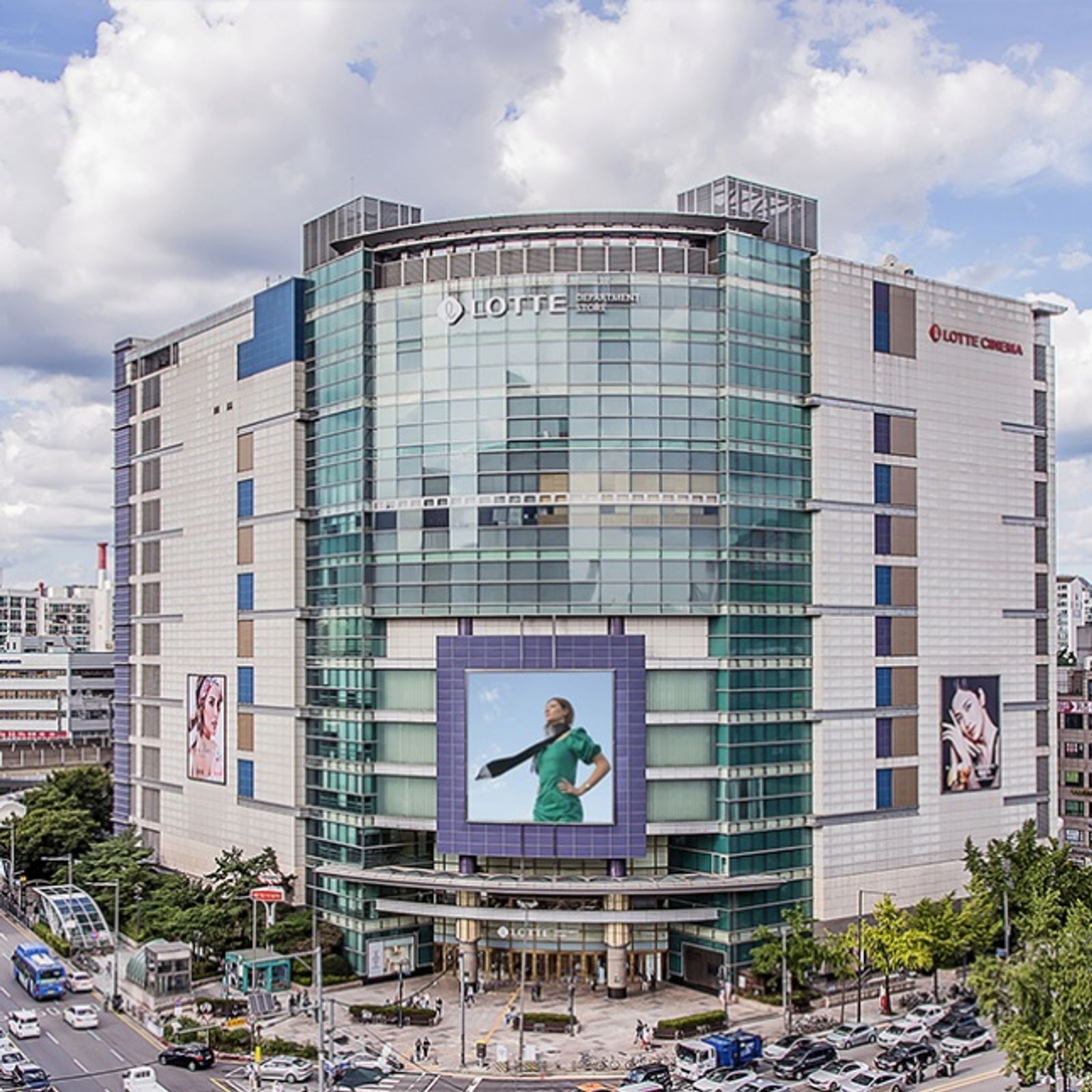
Lotte Department Store has launched what it calls an "AI Biz Centre," using artificial intelligence to overhaul the process by which new brands gain entry to its stores. The move marks the most significant digital disruption to department-store tenancy practices in South Korea in decades, and its ripple effects could reshape the broader retail industry.
Dismantling the gatekeeper
Getting a product onto a Korean department-store floor has long been notoriously difficult. Brands have traditionally had to navigate a gauntlet of buyer interviews, sample reviews, sales-history checks and brand-recognition assessments — a process that could drag on for months or, in some cases, more than a year. For smaller or younger brands, the barriers were often insurmountable in practice, creating a structurally unequal system in which access depended as much on relationships and intermediaries as on the quality of the product itself.
Lotte's AI Biz Centre replaces much of this process with data-driven analysis. The system aggregates a brand's online sales figures, social-media engagement, consumer reviews and market-trend indicators to produce a rapid assessment of its suitability for in-store placement. The stated ambition is to shift from subjective judgement by individual buyers to an objective, evidence-based evaluation framework.
Widening the door — or narrowing it differently?
Industry reaction has been mixed. Emerging brands and small businesses have broadly welcomed the change. For years, would-be tenants had to hire specialist agencies or rely on personal connections to secure a meeting with a buyer; the prospect of being judged on verifiable data rather than who one knows represents a meaningful shift. Among South Korea's consumer-goods start-up community, there is palpable excitement that a longstanding bottleneck to entering offline retail may finally be easing.
Sceptics, however, raise pointed concerns. Several retail analysts warn that an AI system trained primarily on online data could systematically disadvantage brands with limited digital-marketing capabilities — traditional artisan producers or regional specialty-food makers, for instance, whose appeal is difficult to capture in social-media metrics. There is also a subtler risk: because machine-learning models are trained on historical data, they may develop a preference for brands already validated by the market, inadvertently penalising genuinely novel or untested concepts.
Lessons from abroad
AI-assisted retail vetting is not without precedent. Amazon, the world's largest e-commerce platform, has long used algorithmic screening to assess third-party sellers. China's Alibaba applies AI evaluation as part of the onboarding process for its Tmall platform. Both cases demonstrate the efficiency gains that algorithmic systems can deliver — alongside documented side-effects, including category concentration driven by algorithmic bias.
Japan's Isetan department store offers a different model. It uses AI analysis as a supplementary tool, with final decisions remaining in the hands of specialist buyers — a hybrid approach that the company has defended on the grounds that "AI can show you the data, but the story and philosophy behind a brand must be judged by a person." Some in the Korean retail industry believe that as Lotte leans further into AI, pressure to adopt something resembling the Isetan hybrid will become difficult to resist.
The structural imperative
The launch of the AI Biz Centre cannot be separated from the existential pressures now bearing down on the department-store format. According to sales-trend data from South Korea's Ministry of Trade, Industry and Energy, the department-store segment has faced mounting strain since the pandemic accelerated a structural shift towards online shopping. Lotte, like its peers, has been pursuing store rationalisation and merchandise-planning overhauls to rebuild competitiveness.
Faster AI-driven discovery of new brands offers a dual dividend: it keeps the merchandise mix fresh while reducing the labour costs of traditional buyer-led curation. It also promises greater agility in responding to rapidly shifting consumer tastes. One senior industry figure described the AI Biz Centre not merely as an efficiency measure but as "the opening shot in Lotte's transformation from a retailer into a data-driven platform."
The governance challenge
Experts broadly agree that the success or failure of this initiative will hinge on the fairness and transparency of its algorithms. If rejected brands cannot discover why they were turned down, AI screening risks being even more opaque than the buyer panels it replaces. South Korea's Fair Trade Commission is already moving to tighten transparency requirements for platform algorithms; AI-based retail vetting is likely to fall within that regulatory perimeter before long.
For the AI Biz Centre to stand as genuine innovation rather than a publicity exercise, Lotte will need to accompany it with institutional safeguards: published screening criteria, a formal appeals process, and regular independent audits for algorithmic bias. Whether AI ultimately widens the door to Korean department stores or simply erects a new kind of barrier will depend entirely on how the system is governed in practice.