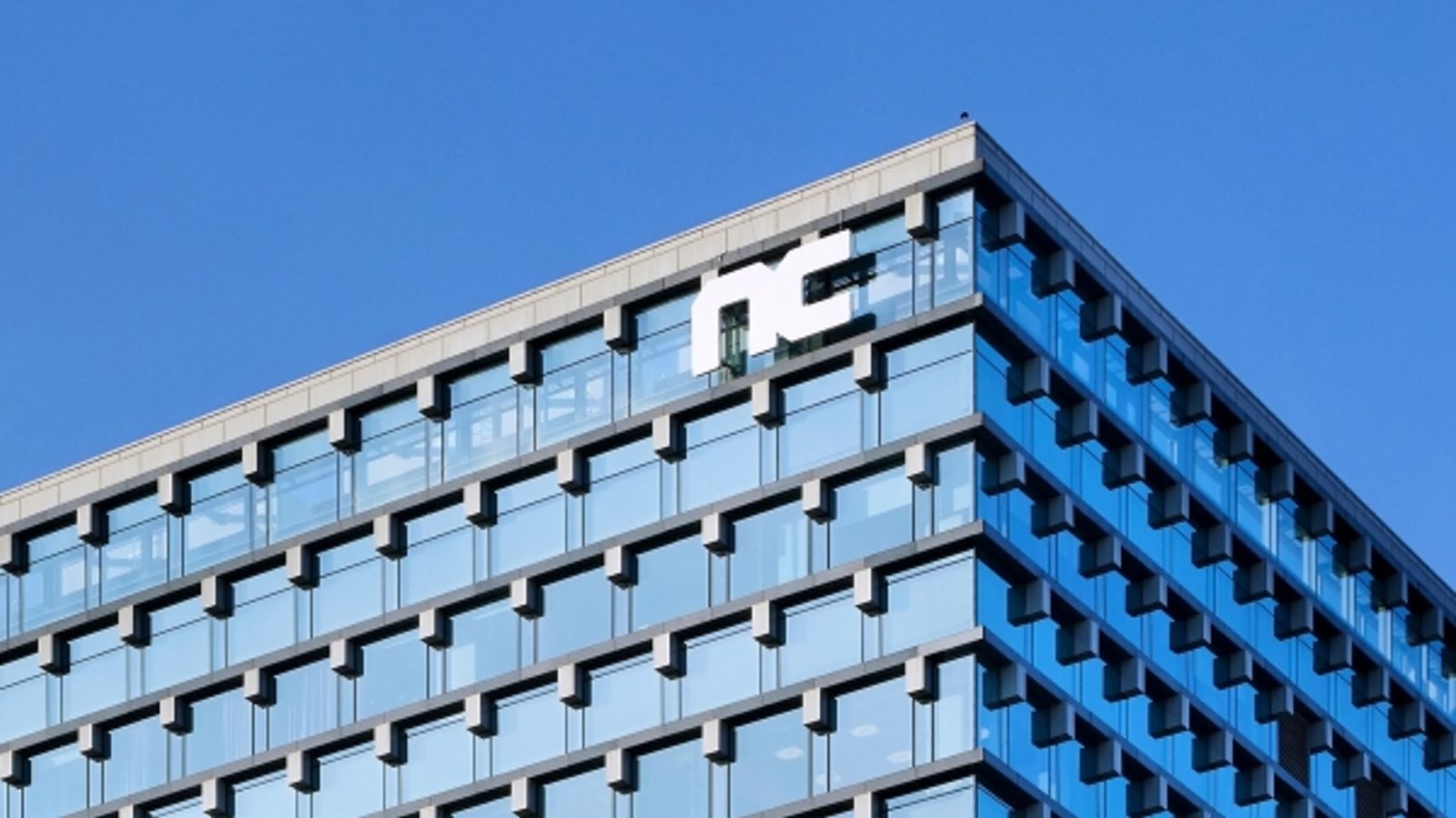
Japan accounts for a mere 1% of NC Soft's total revenues. For a company that ranks among South Korea's most prominent game developers, that figure amounts to near-total invisibility in a market revered as the spiritual home of subculture and console gaming. This year, NC Soft is attempting to change that with two new titles: *Astra: Knights of Veda* and *Breakers: Unlock the World*.
Why Japan, and Why Now
Japan's mobile gaming market is the world's second-largest by revenue, trailing only the United States. According to estimates from research firms Sensor Tower and Data.ai, the market was worth approximately $10bn (roughly 14 trillion won) in 2024. The subculture genre—characterised by anime-style visuals, bishōjo (pretty-girl) characters, and collectible role-playing mechanics—sits at its core. Titles such as *Fate/Grand Order*, *Blue Archive*, and *Genshin Impact* have long dominated the upper reaches of Japan's App Store charts.
The barriers to entry, however, are formidable. Japanese players are notoriously exacting: they scrutinise the internal consistency of fictional universes, the coherence of character design, and the nuance of localised text. Successful Korean incursions into this genre remain the exception rather than the rule.
NC Soft's motivations are structural as much as strategic. Its flagship franchise, Lineage—a series of massively multiplayer online role-playing games (MMORPGs)—draws heavily from a domestic base of male players in their forties and fifties. That audience is ageing and difficult to grow. The sharp decline in NC Soft's operating profit during 2023 and 2024 reflects the dangers of such portfolio concentration. A push into Japan, then, is less an act of ambition than one of necessity: a bid to diversify revenue before the core business erodes further.
Two Games, Two Bets
*Astra: Knights of Veda* is a collectible RPG developed entirely in-house, designed from the outset to appeal to Japanese subculture tastes. NC Soft reportedly cast Japanese voice actors throughout and employed local writers to oversee story localisation—moving well beyond mechanical translation to capture authentic register and nuance. This approach directly addresses the two failings that have undone most Korean games in Japan: cultural dissonance and clumsy localisation.
*Breakers: Unlock the World* blends action gameplay with subculture aesthetics and pursues a multi-platform release across Nintendo Switch and mobile. The Switch angle is deliberate: cumulative hardware sales in Japan exceeded 20m units by 2024, and its user base overlaps substantially with casual and subculture gaming audiences.
Learning From Those Who Came Before
Korean games have penetrated this market before. Nexon's *Blue Archive* (developed by Nexon Games) launched in Japan in 2021 and has maintained a consistent presence in the country's top-grossing charts ever since—demonstrating that Korean subculture games can succeed when the conditions are right. The lesson widely drawn from its performance is that *Blue Archive* treated Japan as its primary market from the earliest stages of development, internalising Japanese sensibilities rather than grafting them on afterwards.
The graveyard of failed attempts is larger. Several major Korean studios have launched domestically successful titles in Japan with little more than a surface coat of subculture styling, only to quietly shut down their servers. Industry observers note that Japanese players are not inherently hostile to foreign-made games; what they demand is evidence that developers genuinely understand their tastes. Content quality, not country of origin, is what determines reception.
Risks and Structural Headwinds
The competitive landscape has grown considerably more demanding. HoYoverse (*Genshin Impact*, *Honkai: Star Rail*) and Kuro Games (*Wuthering Waves*), both Chinese studios, have deployed vast capital to raise the production ceiling for the genre. Japanese players are now accustomed to open-world 3D environments and cinematographic set-pieces; games that fall short of this standard face swift dismissal.
NC Soft's own subculture credentials remain unproven. The cultural and organisational shift from building hardcore MMORPGs in the Lineage mould to crafting anime-inflected experiences is not merely a question of genre—it requires a wholesale change in development philosophy. Live-service operations, which demand rapid content updates and real-time responsiveness to player feedback, represent an unfamiliar discipline for a studio built around a different model.
Personnel pressures compound the challenge. NC Soft has carried out multiple rounds of voluntary redundancies and restructuring since 2024, slimming its workforce considerably. Attempting a high-stakes genre pivot whilst simultaneously cutting headcount raises legitimate questions about execution capacity.
Can 1% Become Something More?
The strategic logic, however, is clear. A successful subculture IP in Japan does not merely generate domestic revenue; it establishes a reference point for global fandom. Japan simultaneously consumes and validates subculture content for audiences worldwide. A title that earns credibility in Tokyo has a foundation from which to expand across global subculture communities—much as *Blue Archive* has done.
Analysts caution that meaningful results will take time. "NC Soft will need at least two to three years to achieve anything significant in Japan," is the broad consensus. Early download figures will matter less than player retention rates and the texture of community engagement over the months that follow launch.
That 1% figure need not be read as a record of failure. It is, equally, a measure of untapped potential. The question is whether NC Soft has assembled the content quality and operational discipline to convert that potential into revenue. When *Astra* and *Breakers* appear on Japan's App Store rankings, the answer will begin to take shape.