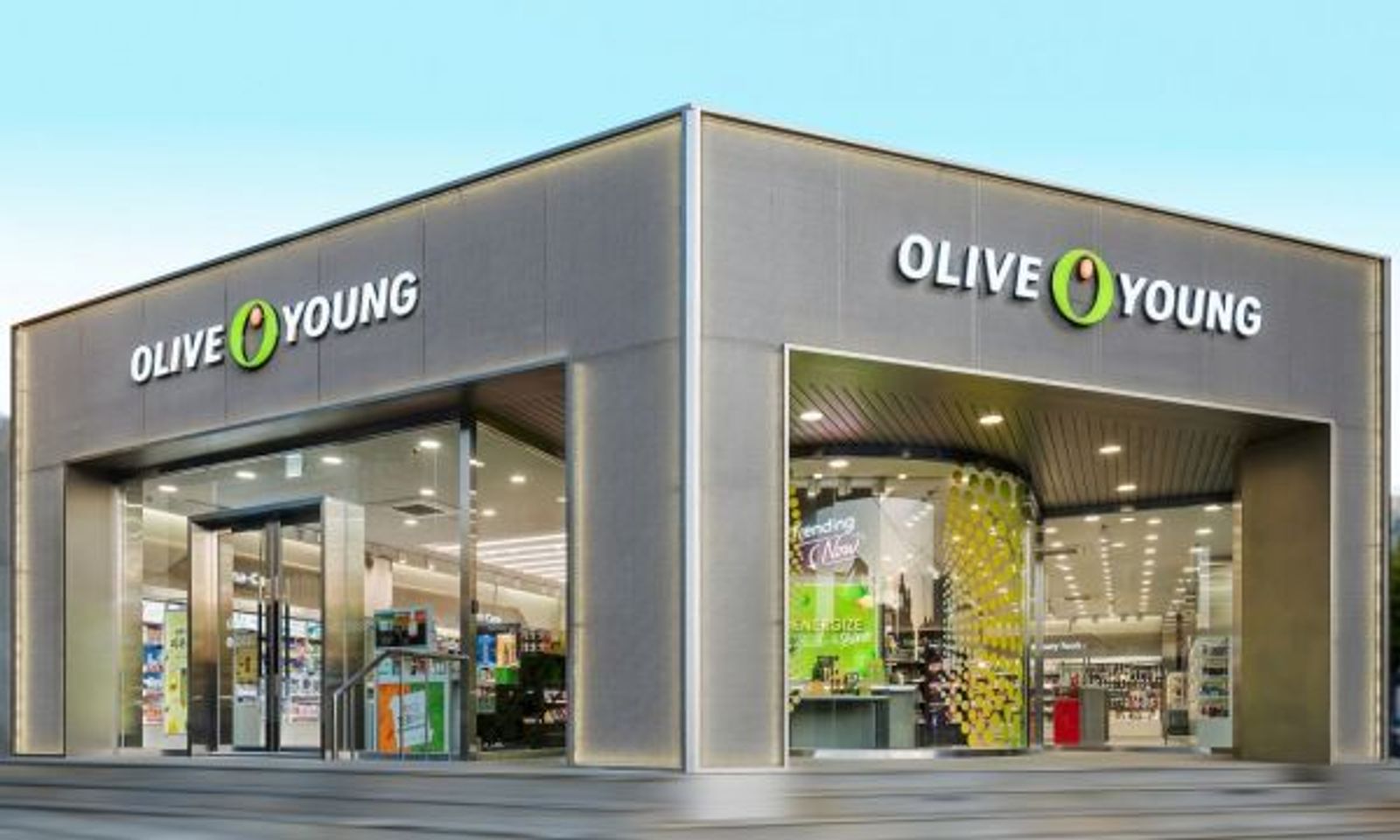
CJ Olive Young, South Korea's dominant health-and-beauty retailer, has opened an urban fulfilment centre on Jeju Island, extending its same-day delivery service — branded "Oneul Dream" ("Today's Dream") — to a region that until now was effectively unreachable within a single day. For a company whose store network spans the entire peninsula, bringing an island territory into its delivery footprint amounts to a declaration that its logistics coverage is now truly national.
What is Oneul Dream?
Launched in 2019, Oneul Dream operates on the principle of the dark store: rather than relying on large, remote fulfilment warehouses, Olive Young repurposes its retail shops as local logistics nodes. When a customer places an order through the app or website, staff at the nearest store or urban fulfilment centre pick and pack the goods for delivery within a matter of hours.
This model allows Olive Young to offer rapid delivery without the capital expenditure of a conventional warehouse network, leveraging instead its estate of roughly 1,300 stores across the country. The strategy has paid off handsomely: same-day delivery now accounts for more than half of the company's total online sales, a figure that reflects a broader shift in beauty and healthcare purchasing — away from planned, deliberate buying and towards spontaneous, on-demand consumption.
Why Jeju?
Jeju has long been an outlier in South Korea's otherwise well-developed logistics landscape. As an island, it depends on air and sea freight, which routinely adds one to two days to standard parcel deliveries. Same-day service was considered simply out of reach.
Yet the commercial case for Jeju is compelling. The island receives more than 12 million tourists annually, making it South Korea's most-visited destination. On top of a resident population of around 700,000, this transient visitor base represents a rich seam of demand for beauty and healthcare products — sunscreen, skincare and nutritional supplements among them. Holidaymakers who need something immediately, and need it today, are precisely the customers Oneul Dream is designed to serve.
The Evolution of Urban Micro-Fulfilment
Olive Young's urban centres are more than glorified stockrooms. By expanding the back-of-house space in existing stores or establishing compact standalone hubs, the company optimises picking and packing efficiency while keeping property costs low and delivery radii tight. The model closely resembles what the global retail industry calls micro-fulfilment centres (MFCs).
Internationally, the concept has been deployed to considerable effect: British online grocer Ocado, and American retailers Walmart and Target have all used MFC strategies to sharpen their same-day and next-day delivery capabilities. Target, notably, now fulfils 95% of its online orders from store locations rather than central warehouses. Olive Young's approach sits squarely within this global trend.
The Competitive Battlefield: Coupang, Naver and Beyond
The expansion of Oneul Dream must be understood not merely as a logistics upgrade but as a move in a broader contest for dominance in beauty commerce. Coupang, South Korea's e-commerce titan, is aggressively building out its beauty category on the back of its Rocket Delivery infrastructure. Naver Shopping is deepening its beauty vertical through direct brand partnerships. Vertical platforms such as Musinsa and Kurly have also entered the beauty space, making competition multi-layered.
Against this backdrop, Olive Young's competitive proposition rests on what might be called a triangular integration of stores, logistics and data. The combination of offline purchase data gathered across its store network with online behavioural data enables hyper-personalised product recommendations alongside fast delivery — a moat that pure-play online platforms cannot easily replicate in the short term. Opening the Jeju centre extends that moat geographically.
Consumer Gains and Local Trade-Offs
For consumers, the benefits are unambiguous. Jeju residents have long received the same goods later and sometimes at higher cost than their counterparts on the mainland. Closing that gap is a meaningful step towards what might be called logistical equity.
The impact on local commerce, however, is more complicated. Greater convenience from a national platform may reduce consumers' incentive to visit local beauty shops or pharmacies. The concern that large retail platforms hollow out neighbourhood trade is not a new one in South Korea; it has been raised repeatedly as convenience store chains and hypermarkets have expanded into smaller communities. Industry analysts note that "the central question for any future regulatory debate will be how to strike a balance between improving platform accessibility and preserving local retail ecosystems."
Implications and Outlook
Olive Young's arrival on Jeju carries several broader implications for the industry. First, as same-day delivery infrastructure reaches even remote and island communities, speed of fulfilment is becoming a baseline expectation rather than a premium differentiator. Second, the case reaffirms that a seamlessly integrated omni-channel model — one that connects physical stores to digital channels — is emerging as the decisive competitive variable. Third, the move is likely to impress upon rival retailers and regional distributors the urgency of adopting MFC-style logistics of their own.
The timing is significant. The health-and-beauty market in South Korea is passing through an inflection point, moving from a phase dominated by physical store growth to one centred on online sales and instant delivery. Viewed in that light, the Jeju fulfilment centre is not a routine branch opening but the closing piece of a nationwide delivery network — and a strategic signal that will compel competitors to respond.