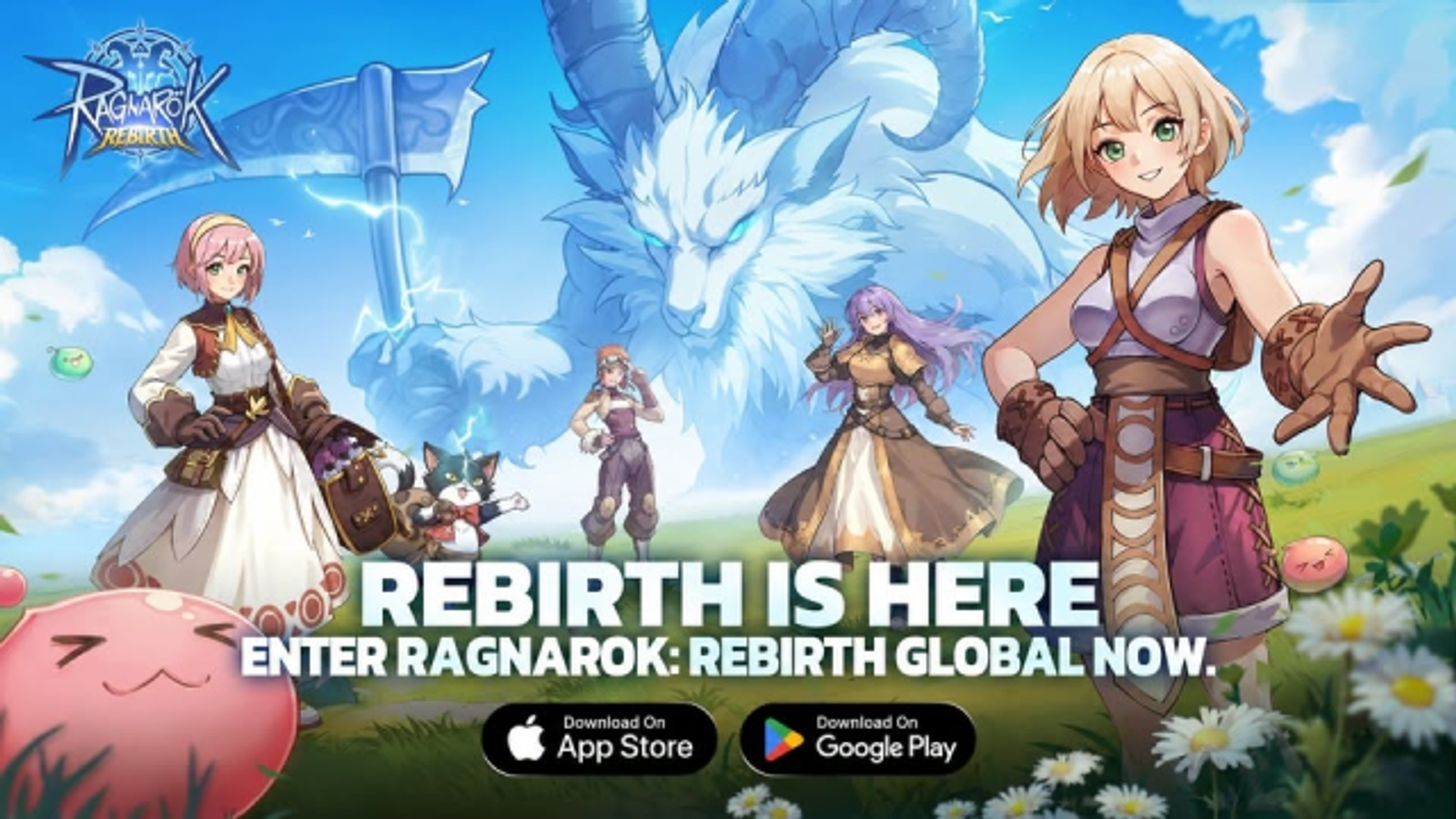
Gravity Game Vision will officially launch Ragnarok Online across North, Central, and South America in July 2026, marking the most ambitious push yet to revive one of South Korea's most enduring gaming franchises. More than two decades after its debut in 2002, the classic massively multiplayer online role-playing game (MMORPG) is targeting the Americas — a strategic choice shaped by two converging forces: a global retro-gaming boom and the rapid expansion of Latin American gaming markets.
Why now, and why the Americas?
According to Newzoo, a global market research firm, the Latin American gaming market was worth approximately $8.5 billion in 2025, having grown by more than 10% year on year. Mobile and PC game consumption is rising in tandem, led by Brazil, Mexico, and Argentina. Brazil alone has entered the top ten gaming markets worldwide by player count, making it the natural anchor for any regional strategy.
Ragnarok Online is not without history in the region. In the mid-2000s, the game cultivated a devoted following across parts of South-East Asia and Latin America, and it continues to operate in the Philippines, Thailand, and Indonesia to this day. The American relaunch aims to capitalise on latent nostalgia among players who grew up with the game, while drawing in a new generation to extend the IP's commercial life cycle.
The retro renaissance is more than mere nostalgia
The revival of classic MMORPGs is a structural market trend, not simply a marketing gimmick. When Blizzard Entertainment released World of Warcraft Classic in 2019, it attracted millions of concurrent players almost overnight, demonstrating that ageing intellectual property could still command substantial commercial value. South Korea saw similar enthusiasm with retro relaunches of Lineage and Nexon's Ba람의나라 (Baram). Ampere Analysis, a gaming research firm, has noted that consumers in their thirties and forties are returning to the games of their youth in growing numbers, pointing to sustained structural demand for legacy titles.
Latin America fits squarely within this pattern. Ragnarok Online spread through internet cafés across the region during the 2000s, leaving strong brand recognition among players now in their thirties and older. Gravity Game Vision's dual strategy is to monetise that emotional capital while using improved graphics and quality-of-life features to attract younger players who have no prior connection to the franchise.
Localisation will determine success or failure
Market entry, however, is no guarantee of market success. Among the reasons Ragnarok previously struggled in parts of Latin America were unstable servers and inadequate localisation. The region presents a dual linguistic challenge: Brazil is Portuguese-speaking, while most of Central and South America uses Spanish. Beyond language, operators must navigate fragmented payment infrastructure and highly variable network conditions across dozens of countries.
Industry experts broadly agree that the outcome will hinge on partnerships with local publishers and sustained engagement with regional gaming communities. Asian MMORPGs that have succeeded in the Americas — including titles such as Perfect World and MapleStory — have typically done so by establishing strong local operational teams. By contrast, titles launched without meaningful localisation have frequently seen early player spikes followed by rapid attrition.
Structural vulnerabilities remain
Gravity's broader corporate challenge has long been its dependence on a single intellectual property for a disproportionate share of its revenues. The company has made efforts to diversify, but concentration risk remains high. Even if the American launch delivers a short-term revenue uplift, investors and players alike will scrutinise whether Gravity can sustain the IP over the longer term through a steady pipeline of new content.
The Americas also represent an intensely competitive media environment, where Netflix, YouTube, and mobile gaming vie aggressively for consumer attention. The choice of monetisation model — monthly subscription versus free-to-play with in-app purchases — will directly affect both player acquisition and retention rates.
Outlook: can the economics of nostalgia translate?
Ragnarok Online's American relaunch is more than a routine service expansion. It is a test case for whether a classic gaming IP can sustain commercial momentum on a genuinely global scale. A successful launch would provide Gravity Game Vision with a platform to diversify away from its Asia-centric revenue base and establish itself as a credible global publisher. Failure, however — particularly if caused by poor localisation or unreliable operations — risks depleting the very brand equity the franchise has spent twenty years accumulating. Whether the economics of nostalgia hold in the Americas will become clear within the first few months of launch, when early player retention data tells its unvarnished story.