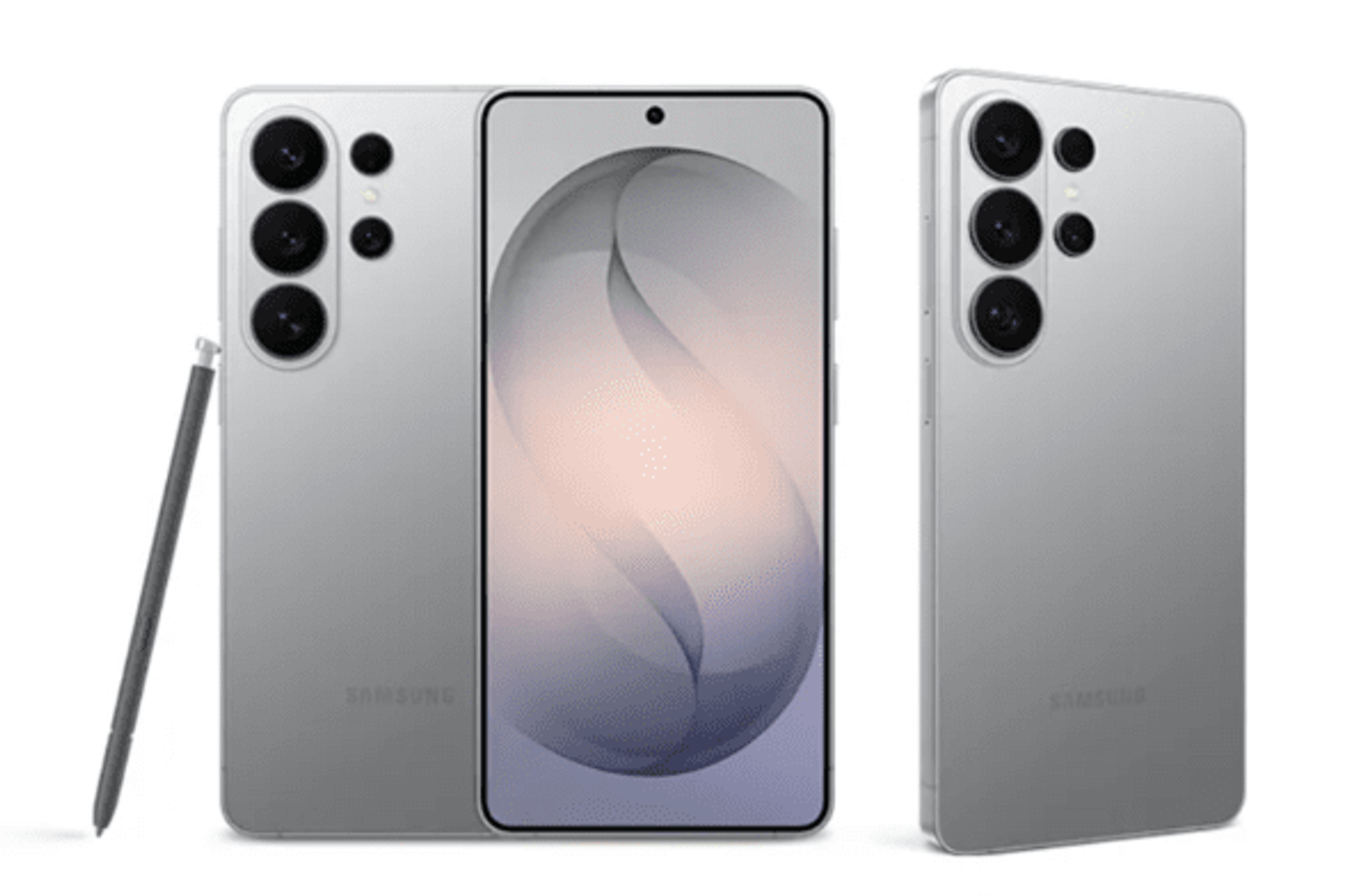
Reports are mounting that Samsung will significantly upgrade the front-facing cameras on its Galaxy S27 Pro and Ultra models — the first such overhaul in four years. As competition in the smartphone market increasingly pivots on selfie performance, analysts say the moment has come for Samsung to address one of its longest-standing weaknesses.
Four years of stagnation
The front camera on Samsung's Galaxy S flagship series has remained essentially unchanged since the Galaxy S21 generation in 2021, stuck at a 12-megapixel sensor. This stands in stark contrast to the rear cameras, which have advanced considerably with each new generation — gaining 200-megapixel sensors, expanded optical zoom ranges, and AI-powered low-light photography. According to Counterpoint Research, selfie camera quality ranks among the top purchasing considerations for flagship smartphone buyers aged 20 to 30. Consumers and industry analysts have long criticised Samsung for neglecting this area.
Competitive pressure forces Samsung's hand
The push for change has been driven by rivals closing the gap rapidly. Apple introduced autofocus and a wider field of view to the iPhone 15's front camera, while Google's Pixel 9 series earned widespread praise for its AI-enhanced selfie processing and 10.5x super-resolution zoom. Chinese manufacturers — Huawei, Xiaomi, and OPPO — have also launched flagship models boasting front-facing sensors of 50 megapixels or more, piling pressure on Samsung. The company's global smartphone market share has edged down from roughly 20% in 2023, a decline not unrelated to this intensifying competition.
What the Galaxy S27 is expected to bring
According to industry sources and multiple leaks, the Galaxy S27 Pro and Ultra are likely to replace the current 12-megapixel front sensor with one of at least 50 megapixels. Additional improvements are expected to include enhanced wide-angle switching, 4K selfie video recording, and upgraded real-time skin processing and subject separation powered by Galaxy AI. Some sources suggest Samsung is also considering changing its front-camera module supplier, or moving to a multi-supplier structure. Depending on the new sensor specifications, the size or position of the punch-hole cutout in the display may also be adjusted.
Software as the new battleground
Hardware specifications alone tell only part of the story. Software capability is at least as important. Samsung has steadily expanded its Galaxy AI feature set, with tools such as Night Portrait, Instant Slow-mo, and Photo Assist. Industry observers expect the Galaxy S27 to launch with functionality equivalent to Galaxy AI 3.0, allowing hardware and software upgrades to work in tandem. Camera benchmarking organisation DXOMark has noted that differences in selfie scores among the latest flagship smartphones are increasingly determined by computational processing power rather than sensor hardware alone.
A mixed reception
Consumer reaction to the anticipated upgrade has been broadly positive. Global technology communities and domestic South Korean IT forums have largely welcomed the news, even if with a note of exasperation — "overdue, but welcome" is a common verdict. Some experts, however, caution that Samsung should prioritise refining its overall camera software ecosystem rather than chasing specification numbers. A persistent grievance remains: Samsung's proprietary image-processing algorithms tend to render selfies excessively smooth, sacrificing natural detail — a complaint that any hardware upgrade must be accompanied by meaningful software recalibration to address.
Lessons from abroad
There is precedent for front-camera upgrades driving a meaningful sales rebound. When Apple introduced autofocus to the iPhone 14's selfie camera, the feature was identified as one of the key factors drawing younger buyers in the United States and Europe. Xiaomi, too, extended its partnership with Leica to the front camera on the 13 Ultra series, reinforcing its premium credentials. These examples underscore that the selfie camera is no longer a secondary consideration — it has become a core competitive differentiator that shapes brand perception and market share alike.
Can the Galaxy S27 mark a turning point?
The Galaxy S27 series is expected to be unveiled in early 2026. If the front-camera upgrade materialises as anticipated, Samsung will have the opportunity both to remedy a long-acknowledged weakness and to set a new benchmark for AI-driven camera experiences. The caveat is clear: a higher megapixel count will count for little unless it is paired with optimised image processing and more natural-looking output. Whether the Galaxy S27's selfie upgrade amounts to a genuine leap in user experience — rather than a mere numbers race — is a question the market will be watching closely.