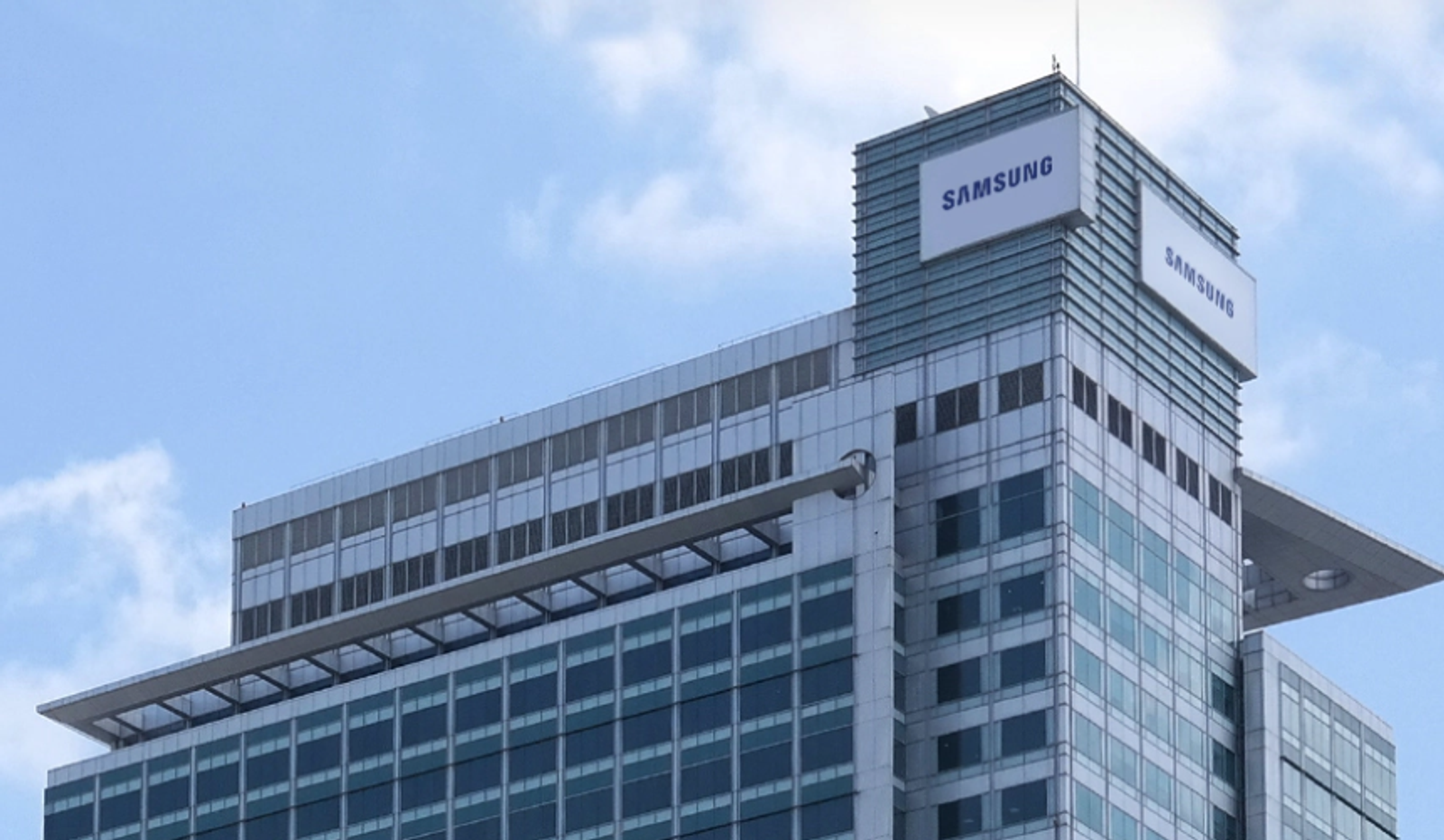
Samsung Electronics announced on 22nd July the creation of a dedicated RX (Robotics eXperience) division, reporting directly to chief executive Tae-moon Roh, signalling that robotics is now a core strategic priority rather than an exploratory sideline.
To lead the push, Samsung has recruited Dong-gun Lee, a vice-president who previously shaped Boston Dynamics strategy at Hyundai Motor Group, as head of its robotics strategy team. He is joined by two prominent academics: Hyun-jin Kim, a Seoul National University professor specialising in autonomous robot control, and Eui-gyum Kim of Ajou University, an expert in robotic grippers and manipulation.
On the infrastructure side, Samsung plans to consolidate its robotics workforce at its R&D campus in Umyeon-dong, Seoul. A data factory for robot-training purposes will be built at its Gumi manufacturing complex, and global research outposts are planned in the United States, China, and Japan. The company also outlined intentions to deepen collaboration with its subsidiary Rainbow Robotics, pursue further acquisitions, and invest in robotics-focused artificial intelligence firms.
Samsung's journey into robotics began modestly. A task force was established in February 2021 and upgraded to a dedicated robotics business team by December of that year. The company then took an initial stake in Rainbow Robotics in January 2023, completed its full acquisition in December 2024 alongside the creation of a Future Robotics Advancement unit, and has now elevated the effort again with the new RX division.
The announcement comes at a difficult moment for the sector. The combined market capitalisation of South Korea's listed robotics companies has roughly halved since early June 2026, falling from 49 trillion won to around 23 trillion won by the close of trading on 20th July — a decline of 52.3% over six months and 33.6% over the past month alone.
IBK Investment Securities sees Samsung's move as a potential turning point. The brokerage argued that the formalisation of Samsung's robotics ambitions is "a positive factor for the domestic robotics sector over the medium to long term," and predicted that from the third quarter onwards, investor interest would increasingly concentrate on a narrower group of component makers positioned within the supply chains of large conglomerates — creating a meaningful divergence in performance across the sector.