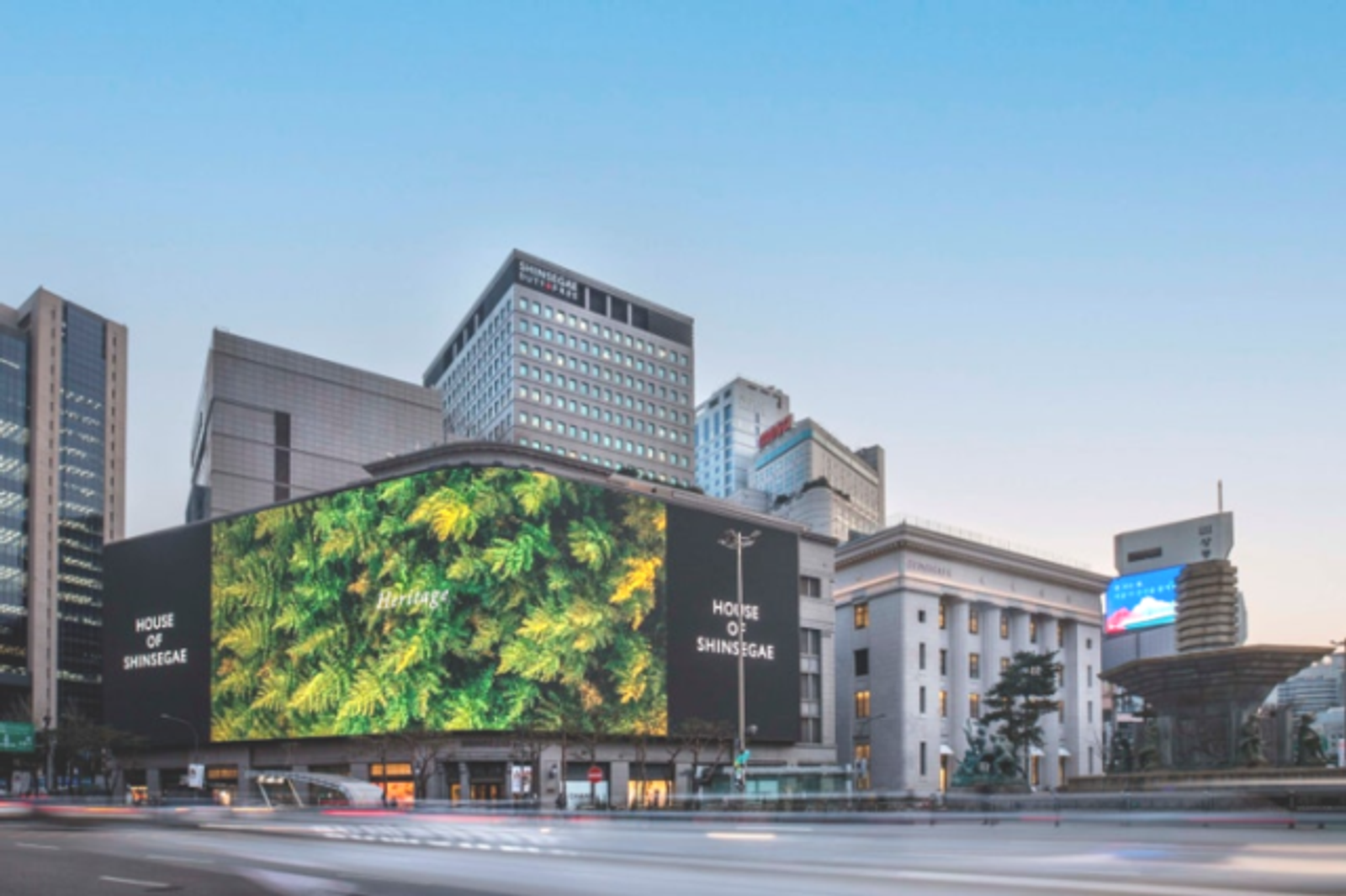
Shinsegae Group's operating profit for the second quarter of 2026 surged 121.9% year on year, sending a jolt through South Korea's retail industry. The result is a striking rebuke to those who had written off the department store as a dying format in the age of e-commerce. Analysts argue that the figures represent more than a cyclical recovery — they reflect a structural convergence of premiumisation, experiential consumption and resilient demand for high-end international brands.
Luxury goods and VIP strategy drive the rebound
The central engine of Shinsegae's earnings surge has been a deliberate reshaping of its revenue mix towards high-ticket goods. South Korea's luxury market underwent a brief correction following the post-pandemic spending boom of the early 2020s, but regained upward momentum in the second half of 2025. Sales of so-called "Hermès, Chanel and Louis Vuitton" — the three marques that dominate Korean luxury retail — have continued to grow faster than the global average.
To capitalise on this trend, Shinsegae has significantly deepened its VIP customer management programmes. Given that the top 1% of shoppers account for more than 30% of total department-store revenue, retaining ultra-high-net-worth clients is directly tied to financial performance. "Spend per customer at flagship stores such as Shinsegae Gangnam has risen steadily," said one industry insider. "Expanded VIP lounges and private shopping services are proving highly effective at locking in that clientele."
The offline paradox: experience economy rescues the department store
The conventional wisdom that traditional retail channels are being steadily displaced by e-commerce is being put to the test. Department stores are repositioning themselves as destinations for experiential consumption — something online platforms struggle to replicate. Shinsegae has accelerated its transformation into what it calls a "composite cultural space," blending dining, art and entertainment to create a lifestyle platform that transcends ordinary shopping.
Research published in the Harvard Business Review and elsewhere suggests that consumers increasingly value the experience of spending over the act of purchasing itself. In South Korea, this trend is especially pronounced among higher-income groups, where a growing preference for "spending well" — rather than simply spending more — is reshaping retail patterns. This explains Shinsegae's strategy of attracting Michelin-starred restaurants, pop-up art exhibitions and premium wellness facilities to its major stores nationwide.
A global phenomenon: premium department stores are staging a comeback
Shinsegae's revival is not an isolated case. Saks Fifth Avenue in the United States, Harrods in Britain and Isetan Mitsukoshi in Japan have all reported marked improvements in performance since 2024–25. Their common thread: a bold cull of mid-market brands in favour of luxury goods, food and beverage offerings and entertainment.
Japan's Isetan, which began strengthening its curated retail and experiential content formats in 2023, has seen sales to foreign tourists more than triple — a model Shinsegae is said to be benchmarking. McKinsey, the consultancy, has described the surviving department stores as those that function as "brand curators and experience designers."
Shadows behind the headlines: inequality and structural risk
Behind the impressive numbers lie risks worth examining. Shinsegae's strong growth is, paradoxically, partly a reflection of deepening consumption inequality in South Korea. As mid-market retailers and small businesses struggle, a structure in which only premium department stores prosper raises legitimate questions about the health of domestic consumer spending as a whole.
There are also concerns about sustainability. A significant portion of the results depends on luxury consumption and external conditions — exchange-rate movements, the substitution of overseas travel with domestic luxury spending, and so on. Key variables include fluctuations in the won-dollar rate, the accelerating pace at which global luxury brands are shifting to company-owned boutiques, and whether Chinese tourist spending recovers. "The 121% figure is undeniably striking," cautioned one retail industry analyst, "but once you strip out the base effect and external tailwinds, how robust the underlying competitive position really is remains to be seen."
Outlook: the front line of a retail paradigm shift
Shinsegae's second-quarter results signal that South Korean retail has entered a new phase. Rivals Lotte Department Store and Hyundai Department Store are pursuing similar premiumisation strategies, suggesting that a broader repositioning of the sector is now well under way.
From a policy perspective, a balanced view of consumption polarisation is warranted. The growth of premium retail does contribute to tax revenues and inbound tourism, but if the erosion of the middle-class consumer base is left unchecked, the overall resilience of the domestic economy could weaken. Whether Shinsegae's strong performance lifts the wider industry or remains a feast for a handful of top-tier players will become clearer over the next two to three quarters.