Solus Advanced Materials (KOSPI: 336370), a South Korean manufacturer of copper foil used in electric-vehicle batteries, reported second-quarter revenue from its battery foil division of 75bn won, a 63% surge year on year. Yet the company's operating loss for the same period came in at 21.3bn won, extending a run of red ink that shows little sign of abating.
Eugene Investment & Securities maintained its "Buy" recommendation on the stock on 27 July but cut its target price from 16,000 won to 13,000 won. The shares closed at 7,050 won on 24 July, implying an 84% potential upside to the revised target.
Group revenue for the second quarter rose 31% year on year to 101.9bn won, up from 77.8bn won in the same period last year. Battery foil led the growth, but the operating loss of 21.3bn won was barely changed from the 20.8bn won recorded a year earlier. A gross profit margin of just 0.8% exposed a structural problem: higher volumes are not yet feeding through to better profitability.
Utilisation at Solus's Hungarian plant climbed from 47% in the first quarter to 67% in the second, and Eugene Investment expects that figure to reach around 80% in the second half of the year. Full-year battery foil revenue is forecast at 336.7bn won, an 83% increase on the prior year.
Perhaps the most significant development is a shift in the company's customer base. Until recently, Solus was heavily dependent on a single South Korean battery maker. From the second half of this year, however, a North American client active in electric vehicles, humanoid robotics and battery energy storage systems (BESS) is emerging as its largest customer. Chinese manufacturers including CATL, as well as Japanese firms, are also joining the roster, broadening Solus's commercial relationships. This diversification is also expected to create more favourable conditions for price renegotiations with existing customers.
Geography is becoming an advantage too. The European Union is expected to finalise its regulations governing domestic battery supply chains (known as IAA rules) before year-end. If these rules introduce preferential treatment for production within the EU or in countries with free-trade agreements, Chinese copper foil makers will find their export strategies considerably constrained. Solus, with factories in Hungary and Canada, is well-positioned to benefit directly. The interest from CATL and others in securing capacity from the Hungarian plant fits squarely within this context.
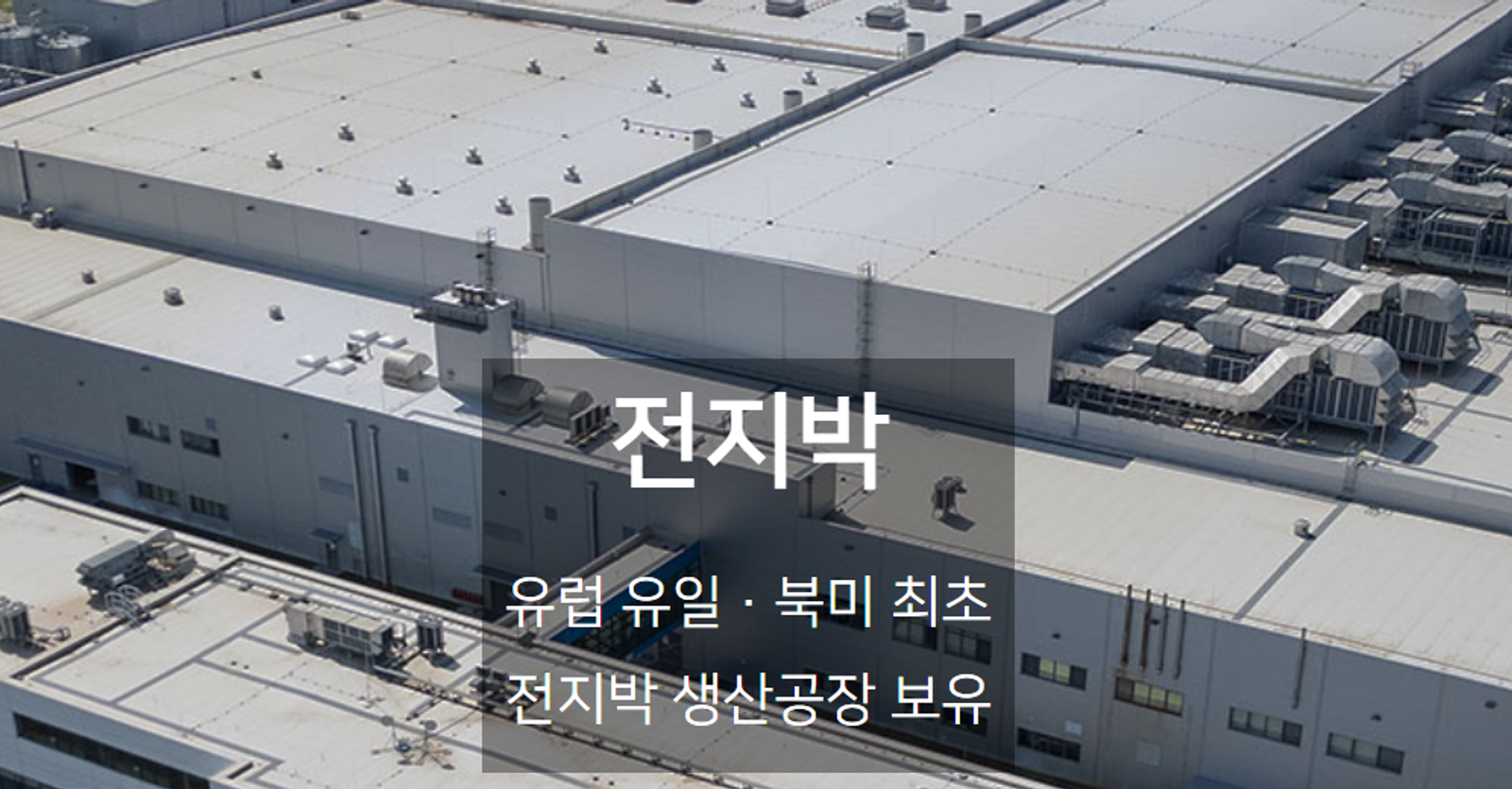
The Canadian facility carries particular strategic weight as the only battery copper foil production site in North America. Solus's largest customer — North America's biggest BESS operator — plans to more than double its battery production capacity from next year. Eugene Investment believes supply agreements for the Canadian plant's output are likely to be signed before the facility even begins commercial operations, since US domestic demand is substantial and Chinese materials suppliers are effectively locked out by FEOC (Foreign Entity of Concern) restrictions under American law.
For investors, however, the risks are substantial. Solus has posted operating losses every year since 2022, and Eugene Investment's forecasts suggest the situation will worsen before it improves. The projected operating loss for 2026 is 79bn won, wider than the 73bn won recorded in 2025. A return to operating profit is pencilled in for 2027, but at a forecast 700m won it would be barely meaningful. A genuine recovery in profitability — with operating profit of 43.1bn won — is not expected until 2028.
The balance sheet adds to the concern. Total borrowings have risen from 577bn won in 2024 to 739bn won in 2026, and the net debt-to-equity ratio has widened from 31% to 57.7% over the same period. The interest coverage ratio stands at -2.6 times, meaning operating earnings cannot even cover interest payments.
The target price reduction reflects this difficult backdrop. Eugene Investment cited declining valuation multiples in the South Korean market as a factor, but the trajectory tells its own story: the target has been cut twice since October 2024, when it stood at 25,000 won, and now sits at 13,000 won. The shares themselves have fallen from a 52-week high of 16,900 won to a low of 6,540 won over the same period.
The volume growth in copper foil sales and the broadening of the customer base are genuine positives. But the uncertain timeline for profitability and the rising burden of debt are variables that cannot be ignored. The stock trades at a price-to-book ratio of 1.0 times — close to historic lows — which some view as a valuation floor. Others, however, argue that price-to-book is a poor guide in the midst of sustained operating losses.