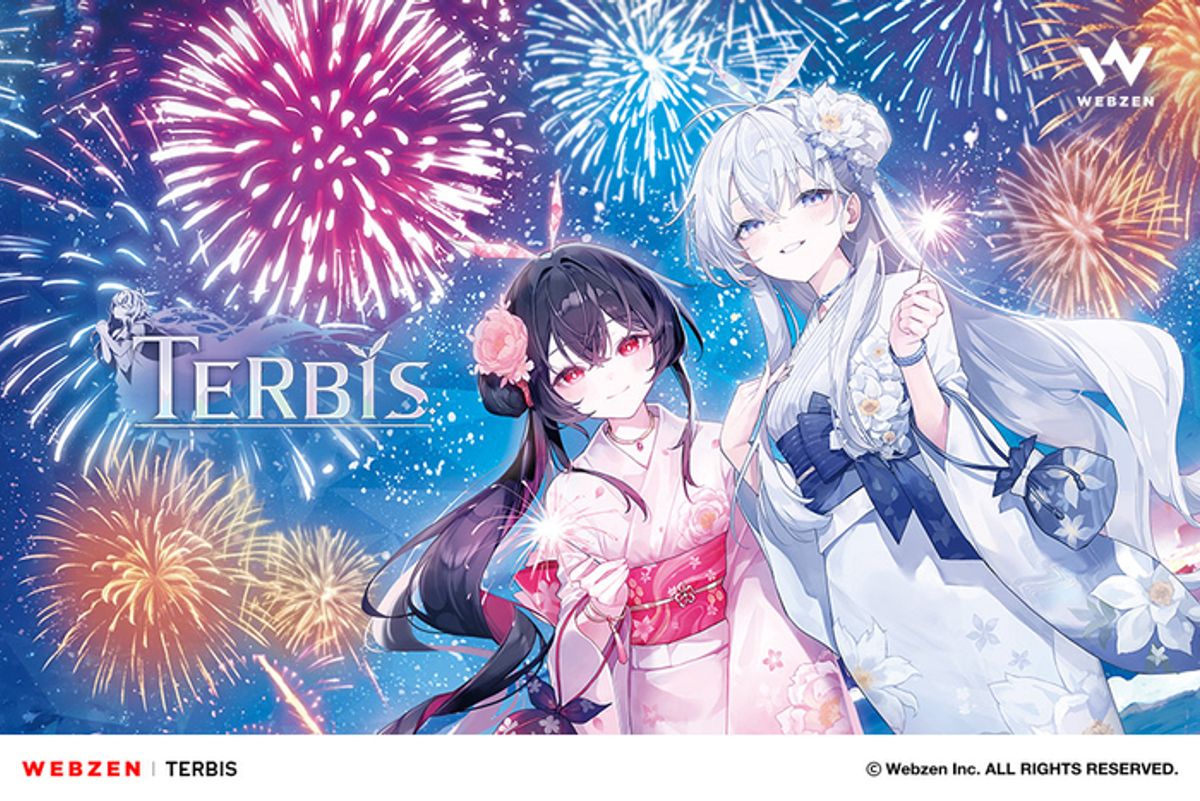
South Korean game developer Webzen has stepped onto the stage of Comiket—Japan's largest amateur-content festival—to promote its upcoming mobile game, Terbis. The move is more than a routine overseas marketing appearance; analysts see it as a deliberate effort to reach the core consumers who drive Japan's subculture economy.
Comiket (short for Comic Market) is held twice a year at Tokyo Big Sight and draws between 200,000 and 300,000 visitors per event, making it the world's largest gathering of its kind. The crowd skews heavily towards fans aged between their teens and thirties—precisely the demographic that dominates spending on games, animation, and character merchandise in Japan. In recent years, major Korean game publishers including Nexon, Krafton, and Netmarble have all set up booths at the festival as part of broader pushes into the Japanese market. Webzen's participation follows that same playbook.
Terbis is a character-collection role-playing game (RPG) that Webzen has been developing with considerable care. The genre fits neatly into the Japanese mobile market's dominant taste: subculture-inflected, character-driven RPGs such as Genshin Impact, Blue Archive, and Fate/Grand Order have long topped revenue charts there. According to data from analytics firm data.ai, Japan consistently ranks among the top three countries by mobile-game revenue globally, with per-capita in-game spending among the highest in the world. That makes it an attractive, if difficult, target—and Terbis the title Webzen has chosen to open the door.
Appearing at Comiket carries symbolic weight that goes beyond brand awareness. Japanese game-marketing specialists note that showing up at the festival sends a specific signal to local consumers: "We understand your culture." The point is not lost on the industry. Nexon Games, the studio behind Blue Archive, built a devoted domestic fan base in Japan largely through a strategy centred on offline events, including Comiket, and that loyalty became the foundation of the game's sustained commercial success. Webzen is said to have followed a similar local playbook, distributing merchandise and unveiling character artwork in a style attuned to subculture conventions.
Yet the obstacles are real. Japanese mobile gamers are famously discerning, and attachment to homegrown content is strong. Korean studios that borrow the visual language of Japanese subculture can still fall short if the finer points of aesthetic sensibility fail to resonate—a criticism that has been levelled at various K-game attempts before. There is also a branding challenge specific to Webzen: the company is best known for its Mu series of hardcore massively multiplayer online RPGs (MMORPGs), and it remains to be seen whether a pivot to a lighter, character-focused RPG will satisfy either its existing audience or the new fans it hopes to attract.
Commercial pressure is another factor driving the push. Webzen has long been heavily dependent on revenues from its Mu intellectual property, making the search for new growth engines an ongoing strategic imperative. Expanding into overseas markets, Japan chief among them, is one of the principal answers the company has identified. Testing Terbis on Comiket's symbolic stage is, from Webzen's perspective, a calculated risk it felt compelled to take.
The more critical question now is how the company converts festival buzz into commercial results. Turning the interest generated at an offline event into app downloads and in-game purchases requires several things to go right simultaneously: a precise Japanese localisation, character designs that fully meet subculture fans' exacting standards, and a reliable pipeline of updates and live events to sustain engagement after launch. Whether K-games can establish themselves as genuine long-term players in Japan's subculture market—rather than passing curiosities—is a question Terbis may help answer.