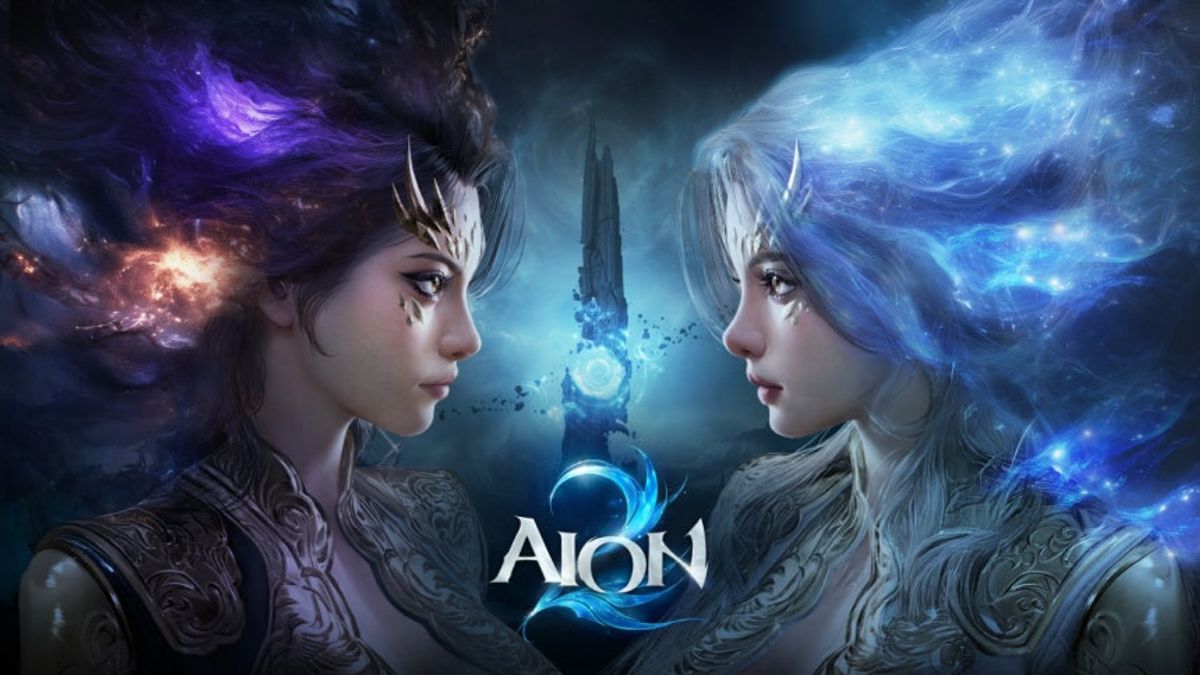
NCSoft's new massively multiplayer online role-playing game (MMORPG), *Aion 2*, launched into global early access on 1 October 2026 and immediately topped Steam's sales chart. The sequel to the original *Aion* — released in 2008 and one of the defining games of South Korea's online gaming boom — arrives nearly 18 years after its predecessor, and has generated intense scrutiny both within the Korean gaming industry and beyond. The central question is whether this strong debut marks a genuine turnaround for a company that has spent years in the doldrums, or whether it will prove to be a fleeting spike.
**Why NCSoft has staked everything on *Aion 2***
NCSoft has endured a prolonged and painful decline. Revenue from its flagship franchises, *Lineage M* and *Lineage W*, has steadily eroded. *Throne and Liberty*, its most recent major release, fell short of expectations in global markets. In 2023 and 2024, the company carried out sweeping redundancies and restructured its business; its share price has spent an extended period more than 60% below its peak.
Against this backdrop, *Aion 2* is more than just another product launch — it is a litmus test for the company's strategic direction. NCSoft built the game on Unreal Engine 5, combining high-fidelity visuals with large-scale siege warfare and a traditional player-versus-player (PvP) system. The aim is to capture two audiences simultaneously: fans nostalgic for the original and the global hardcore MMORPG community. The decision to release the game via a paid early-access model on Steam also signals a deliberate attempt to move away from the aggressive in-app monetisation that has defined — and damaged — NCSoft's reputation in the mobile era.
What the Steam top spot means, and what it does not
Reaching number one on Steam carries genuine symbolic weight. With roughly 130 million monthly active users, Steam is the world's largest PC gaming platform, and chart-topping performance translates directly into global visibility. Korean games have rarely scaled such heights: since Krafton's *PUBG: Battlegrounds* dominated the platform, South Korean titles reaching the global summit can be counted on one hand. The achievement is therefore meaningful beyond the raw numbers.
Yet analysts caution against over-interpreting early-access sales data. According to Newzoo, a games market research firm, between 40% and 60% of an early-access game's total sales typically occur within the first two weeks of launch. The share of those initial buyers who remain active players over the long term averages only around 30% across the genre. MMORPGs are particularly vulnerable to rapid attrition once players exhaust the early content, making sustained updates and active community management essential to survival.
The power — and the limits — of a beloved IP
The original *Aion* occupies a cherished place in the history of Korean online gaming. At launch in 2008, it attracted 250,000 simultaneous players and mounted a credible challenge to the dominance of NCSoft's own *Lineage* franchise. Its signature three-dimensional aerial combat — players fought using wings as well as weapons — and its faction-based conflict between the angelic Elyos and the demonic Asmodians left a lasting impression on players worldwide. The continuing warmth towards the original in Steam's global community has provided *Aion 2* with a ready-made audience.
But nostalgia alone cannot sustain a modern MMORPG. The global market is crowded with formidable competitors: *Final Fantasy XIV*, *World of Warcraft* and a steady stream of new entrants all compete for players' time and loyalty. How effectively *Aion 2* attracts players with no prior connection to the franchise will be the decisive variable in its long-term fortunes.
The monetisation question: genuine change or more of the same?
Perhaps the most consequential uncertainty surrounding *Aion 2* is how it will ultimately make money. NCSoft's *Lineage* games made the company enormously profitable, but also made it synonymous — in Korea and internationally — with "pay-to-win" mechanics, in which players can purchase in-game advantages. The paid early-access model represents a break from that tradition, but global players are acutely aware that the real test will come when the full game launches and NCSoft reveals its in-game purchase structure.
A survey of reactions on Reddit, where much of the international gaming community congregates, reveals an ambivalent mood: scepticism about NCSoft as a publisher sits alongside genuine excitement about the *Aion* IP itself. Analysts argue that rehabilitating NCSoft's monetisation image in global markets is a prerequisite for sustained commercial success — not merely a secondary consideration.
**Lessons from *Final Fantasy XIV***
The comparison most frequently drawn is with Square Enix's *Final Fantasy XIV*. Launched in 2010 to catastrophic reviews, the game was entirely rebuilt and relaunched in 2013 as *A Realm Reborn*, engineering one of the most dramatic comebacks in gaming history. Today it retains more than 3 million monthly subscribers. Industry observers regard its revival as a masterclass: the studio succeeded by prioritising content quality, lowering barriers to entry and cultivating a famously welcoming community culture.
Whether *Aion 2* can replicate that formula remains to be seen. The early-access period will provide early evidence: server stability, the speed of bug fixes and the quality of communication with players will all signal whether NCSoft is serious about learning from *FFXIV*'s example. For a game with global ambitions, localisation quality and the management of regional servers will also be closely watched.
The bigger picture: South Korean MMORPGs on the world stage
The early performance of *Aion 2* matters beyond NCSoft's own fortunes. South Korea was once synonymous with PC MMORPGs — *Lineage*, *Baramui Nara* (also known as *Kingdom of the Winds*) and the original *Aion* helped define the genre globally. Since the mid-2010s, however, the Korean games industry pivoted sharply towards mobile gaming, effectively ceding that heritage. If *Aion 2* can sustain its momentum on Steam, it would represent a meaningful reassertion of South Korea's credentials in a market it once led.
"Reaching number one on Steam should be treated as a starting point, not the destination," said one industry insider. "Whether NCSoft uses the early-access period to genuinely incorporate player feedback and drive real improvements will determine whether this venture actually succeeds."
NCSoft is being tested on more than a single game's commercial performance. It is being asked whether it can reinvent itself. The dazzling launch figures will fade quickly; the answer will emerge over the months of updates, patches and community management that follow.