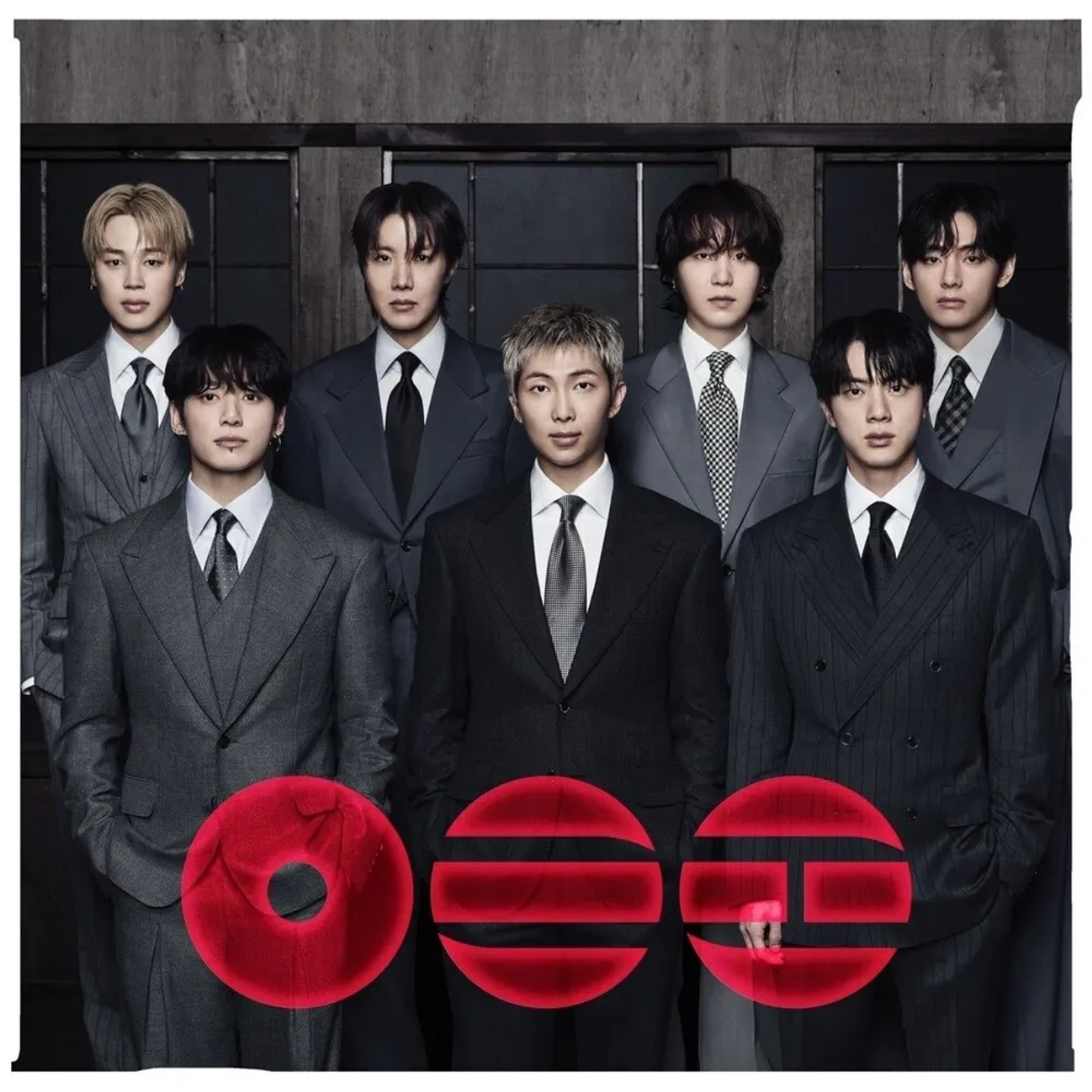
Four years is a long time to wait. BTS suspended group activities in 2022 as its members entered mandatory military service — a rite of passage for South Korean men — and the world's biggest K-pop act finally returned in March 2026. *ARIRANG* arrives with 14 tracks, 110 million Spotify streams on its first day, number-one positions on iTunes in 88 countries, and the top spot on the Billboard 200. On paper, it is a triumphant homecoming.
Listen to the album from start to finish, however, and a more complicated feeling lingers. It is not as consistent as the moment demands. Some passages are breathtakingly beautiful; others drift by with the quiet resignation of something merely good enough. This is a mega-sized rollercoaster — and its quality rides the same peaks and troughs.
The BTS that has emerged from military service is plainly a changed outfit. The months apart, during which each member pursued solo projects and sharpened his individual artistic voice, have left clear marks across the record. Gone is the glossy but surface-level pop formula of "Butter" and "Dynamite"; in its place, *ARIRANG* confronts weightier subjects — identity, separation, reunion, burnout, and cultural heritage. As the title suggests, the album's central ambition is to draw on Korea's deep cultural roots. That much is unmistakable.
The ambition shines brightest in unexpected places. "No. 29", a 98-second track composed entirely of the resonant toll of the Emille Bell — an eighth-century Korean bronze bell also known as the Sungdeok Bell — is a rare experiment for a K-pop album. By doing nothing, it attempts to say everything. The album's first half is cohesive and energetic, and it is here that the sense of seven men reunited and moving as one is most powerfully conveyed.
The trouble lies in the second half. A glittering roster of international collaborators — Diplo, Kevin Parker, JPEGMafia, and Artemas among them — broadens the musical palette, but also destabilises the record's centre of gravity. The album speaks of Korean cultural heritage while simultaneously reaching towards Western markets; this dual gesture undermines the coherence of the whole. The title promises the weight of *arirang* — a centuries-old Korean folk song widely regarded as the country's unofficial anthem — but much of what follows cannot quite bear that weight.
The reduced proportion of Korean-language lyrics deepens the disconnect. There is an inherent paradox in singing about Korean identity while speaking, increasingly, in English. Whether this is an unavoidable condition of being a truly global artist or simply a choice is not easy to determine. What is harder to dismiss is the absence, across the album as a whole, of a single unifying voice.
*ARIRANG* is not BTS at their best. It is, however, their most complex work to date — a vivid, unvarnished account of a supergroup straining between commerce and artistry, between a specific cultural identity and boundless global ambition. That struggle is sometimes beautiful, and sometimes awkward.
A rollercoaster requires its descents as well as its ascents. The rises and falls of *ARIRANG* are, in their own way, an honest kind of identity. This is not the perfect return. But it is an meaningful one.
★★★☆☆ (3.0/5.0)
In a sentence: Overflowing with ambition but short on consistency, *ARIRANG* lurches between brilliance and compromise — yet it is precisely this struggle that makes BTS feel most human.