**A review of Drake's *ICEMAN***
In the summer of 2024, Kendrick Lamar killed Drake. With "Not Like Us," he buried him — or so most people believed. The track went on to win a Grammy and rang out across the Super Bowl halftime stage. One by one, the superlatives that had defined Drake's career seemed to be erased.
Then, on 15th May 2026, Drake released three albums simultaneously. At the centre of that triptych stands *ICEMAN*.
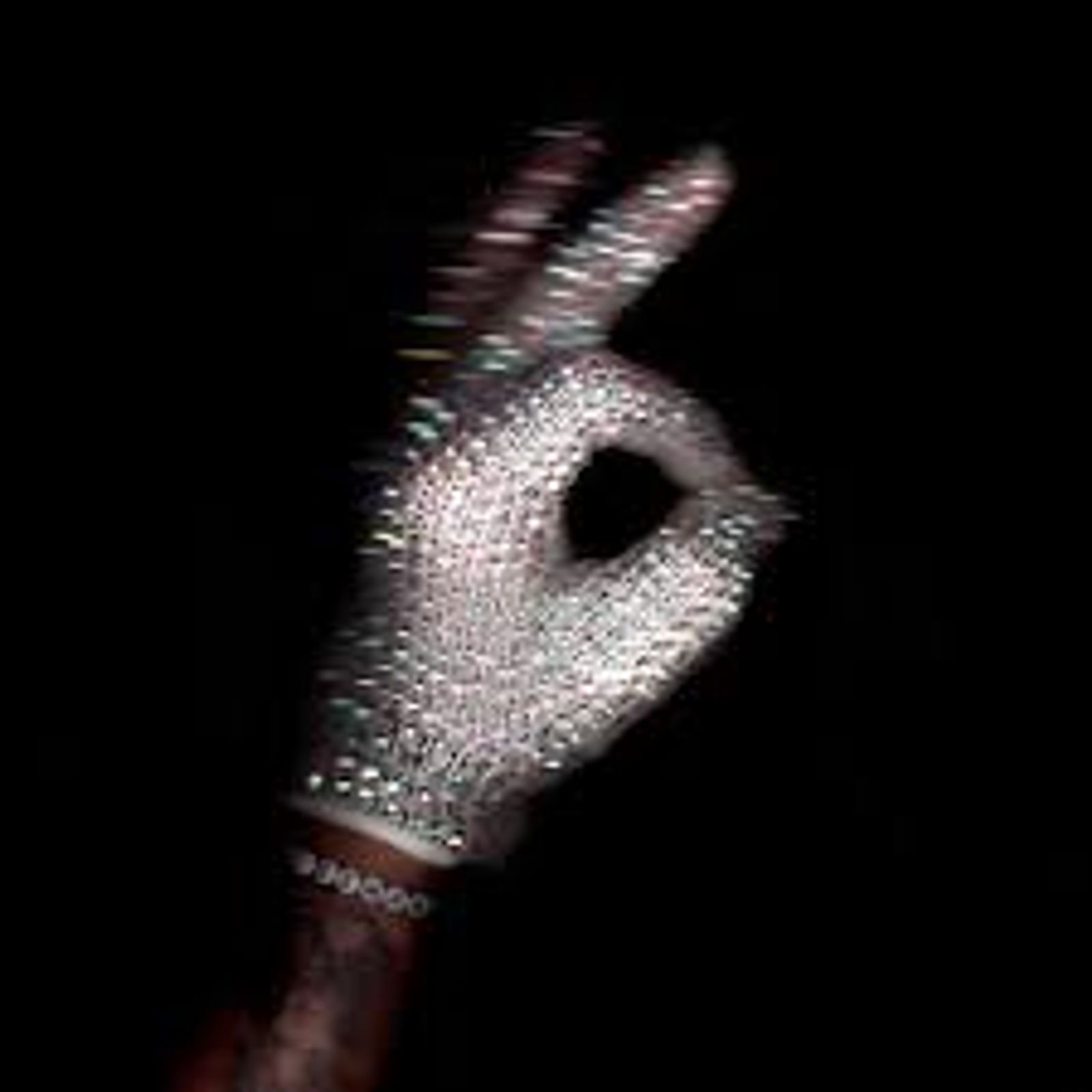
The short version: the man they called dead has come back to life. And not merely survived — he has returned by breaking Michael Jackson's record for the most Billboard Hot 100 number-one singles by a male artist. With "Janice STFU" reaching the top spot, Drake claimed his 14th chart-topper, inscribing his name once more into pop history. The jewel-encrusted glove on the album cover is no accident. It is the glove Michael Jackson wore performing "Billie Jean" — a declaration that a record has been broken, and a provocation reminding the world exactly who Drake is.
*ICEMAN* is the kind of album Drake has not made in a long time. This is not the work of an artist gliding on cruise control, effortlessly ruling the charts. It is the work of a man with his back against the wall. The feud with Kendrick, a lawsuit against Universal Music Group, betrayals by former allies — Drake pulls all of it into his lyrics. He takes aim at LeBron James; he turns his sights on Rick Ross and ASAP Rocky. On "Janice STFU," he declares: "They tried to kill me, but you brought me back." It sounds like hyperbole. This time, it is not.
The production — crafted by 40, Boi-1da, and Tay Keith — is engineered to serve Drake's voice in the most precise way possible. Restraint over spectacle, density over excess. "What Did I Miss?" deserves a place among the finest singles of 2026. "Ran To Atlanta," his collaboration with Future, carries an entirely different weight when heard with knowledge of the two artists' complicated history. Newcomer Molly Santana is a welcome discovery.
The album's only genuine weakness is its length. Across 18 tracks, the intensity and focus of the first half occasionally dissipates in the middle stretch. The ambition of releasing three albums at once sometimes manifests as a want of editing. Trimmed down, *ICEMAN* might have been flawless.
But flawlessness is not the point. What matters is that something Drake had long been missing — urgency, authenticity — has returned to his voice. The male artist with more Billboard number-ones than anyone in pop history has made his least cautious music yet. That is precisely what makes this one of the finest albums of his career.
The promotional stunt was fitting: a 25-foot ice sculpture erected in downtown Toronto, inside which Drake had hidden the album's release date. Fans attacked it with pickaxes and set it alight. Drake orchestrated the whole spectacle. The album itself is every bit as striking as the theatre surrounding it.
The man they declared dead has come back holding an all-time record. That is *ICEMAN*.
★★★★⯨☆ (4.5 / 5.0)
In a sentence: "The finest music a man with his back against the wall has ever made. Drake is not dead. He is more dangerous than ever."