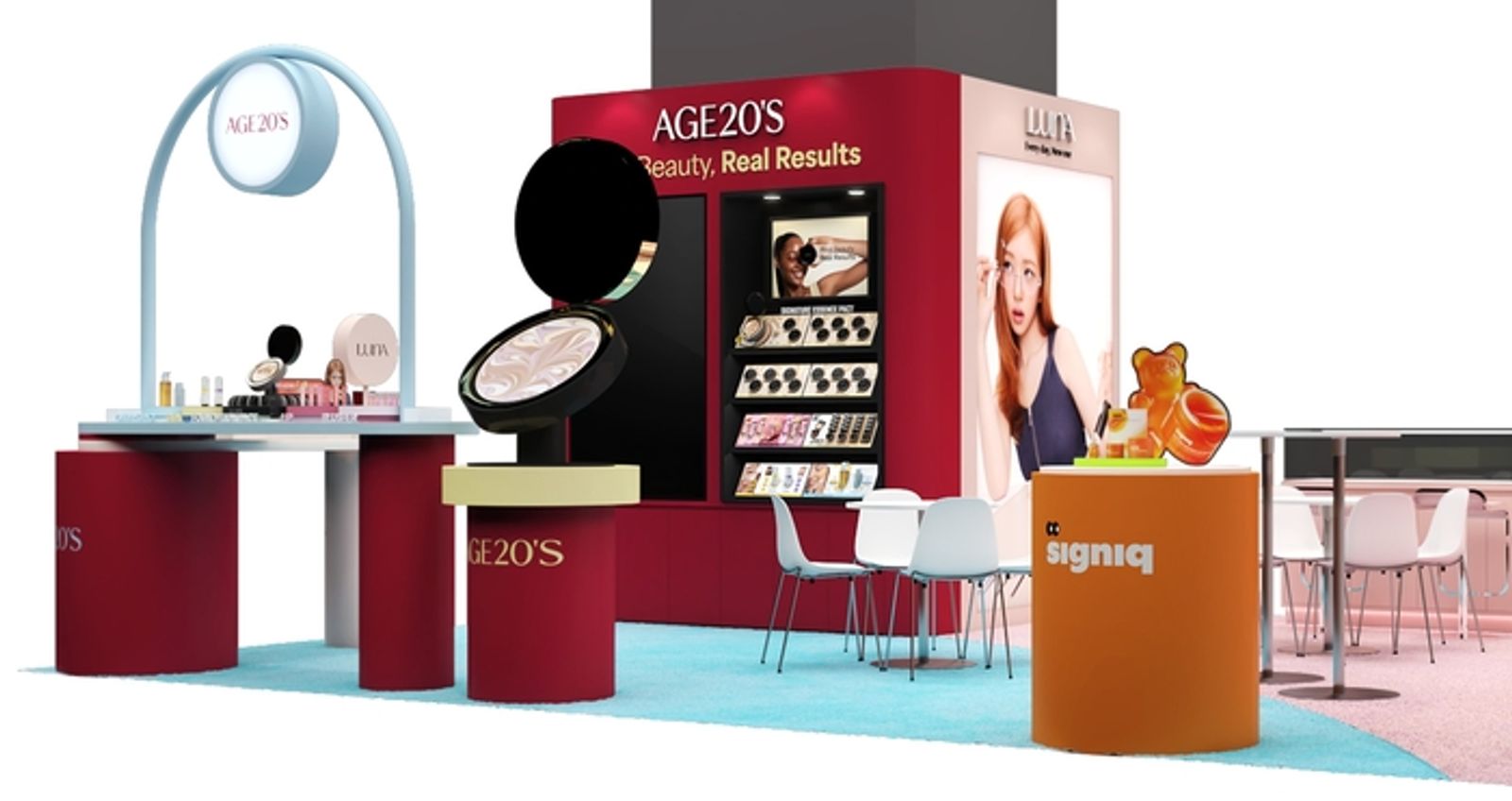
Aekyung Industry has stepped up its push into the Americas by participating in an international beauty and cosmetics trade fair in Las Vegas, signalling a concerted effort to enter North and Latin American markets simultaneously. The move comes as the K-beauty phenomenon spreads beyond Asia into Western consumer markets, and marks a strategic coming-out moment for one of South Korea's mid-tier cosmetics groups.
Las Vegas serves as a pivotal hub for the North American beauty trade, drawing tens of thousands of buyers and distributors each year. The city hosts major industry gatherings such as Cosmoprof North America, offering exhibitors access not only to America's large retail networks but also to Latin American buyers — making it a strategically efficient venue for any company seeking to treat the two regions as a single, connected market. Aekyung's choice of this platform reflects precisely that ambition.
The timing is auspicious. According to the Korea Cosmetic Industry Institute, South Korean cosmetics exports to the United States surpassed $1 billion in 2023 for the first time, rising more than 30% year on year. Over the same period, K-beauty exports to Latin American markets, including Mexico and Brazil, posted double-digit growth. Dedicated K-beauty sections are expanding at major American retail channels such as Amazon, Sephora, and Ulta Beauty, while viral marketing on TikTok and YouTube has generated enormous enthusiasm among younger American consumers.
Aekyung brings credible credentials to this effort. The company owns the AGE20's, LUNA, and POINT brands, and positions itself as the originator of the air-cushion foundation — a compact cosmetic format that became one of South Korea's most distinctive beauty innovations. Its AGE20's Essence Cover Pact, which has sold tens of millions of units domestically and abroad, is expected to serve as the centrepiece of its Las Vegas showcase.
Yet the American market offers no easy prizes. It is fiercely contested terrain, where global behemoths such as Estée Lauder and L'Oréal compete alongside social-media-native upstarts such as Rare Beauty and Fenty Beauty. Even South Korea's largest beauty conglomerates — LG H&H and AmorePacific — have struggled to achieve consistent profitability in the United States. For a mid-sized company like Aekyung, the costs of building local distribution networks and sustaining marketing investment represent a considerable financial burden.
Latin America presents a more nuanced picture. Brazil is the world's fourth-largest beauty market, but steep import tariffs and labyrinthine regulatory procedures make it a daunting destination. Mexico and Chile, by contrast, have free-trade agreements with South Korea that offer preferential tariff rates, and smaller K-beauty brands have already demonstrated meaningful traction through Mexican e-commerce platforms — a useful precedent for Aekyung to study.
The experiences of other Korean companies are instructive. Clio, a mid-sized domestic rival, entered the American market incrementally, using Amazon as its primary sales channel to achieve profitability before expanding further. COSRX combined trade-show participation with influencer marketing to build a loyal following in the American skincare segment, ultimately attracting sufficient attention to be acquired by AmorePacific. Both cases illustrate that trade-fair appearances can serve as genuine platforms for securing distribution partnerships and establishing brand credibility, rather than mere promotional exercises.
Industry analysts broadly agree that what matters most for Aekyung is not the Las Vegas appearance itself, but the follow-through: whether the company can convert trade-show contacts into distribution agreements, develop localised marketing content, and sustain an integrated online strategy in parallel. A one-off exhibition, however well-executed, rarely translates into durable revenue without committed, long-term investment and meaningful local partnerships.
Aekyung's Las Vegas debut can be read as both an opportunistic ride on K-beauty's global momentum and a strategic response to saturation in the South Korean home market. Whether the initiative yields lasting results will ultimately depend on one variable above all others: the depth and patience of the company's commitment to the Americas over time.