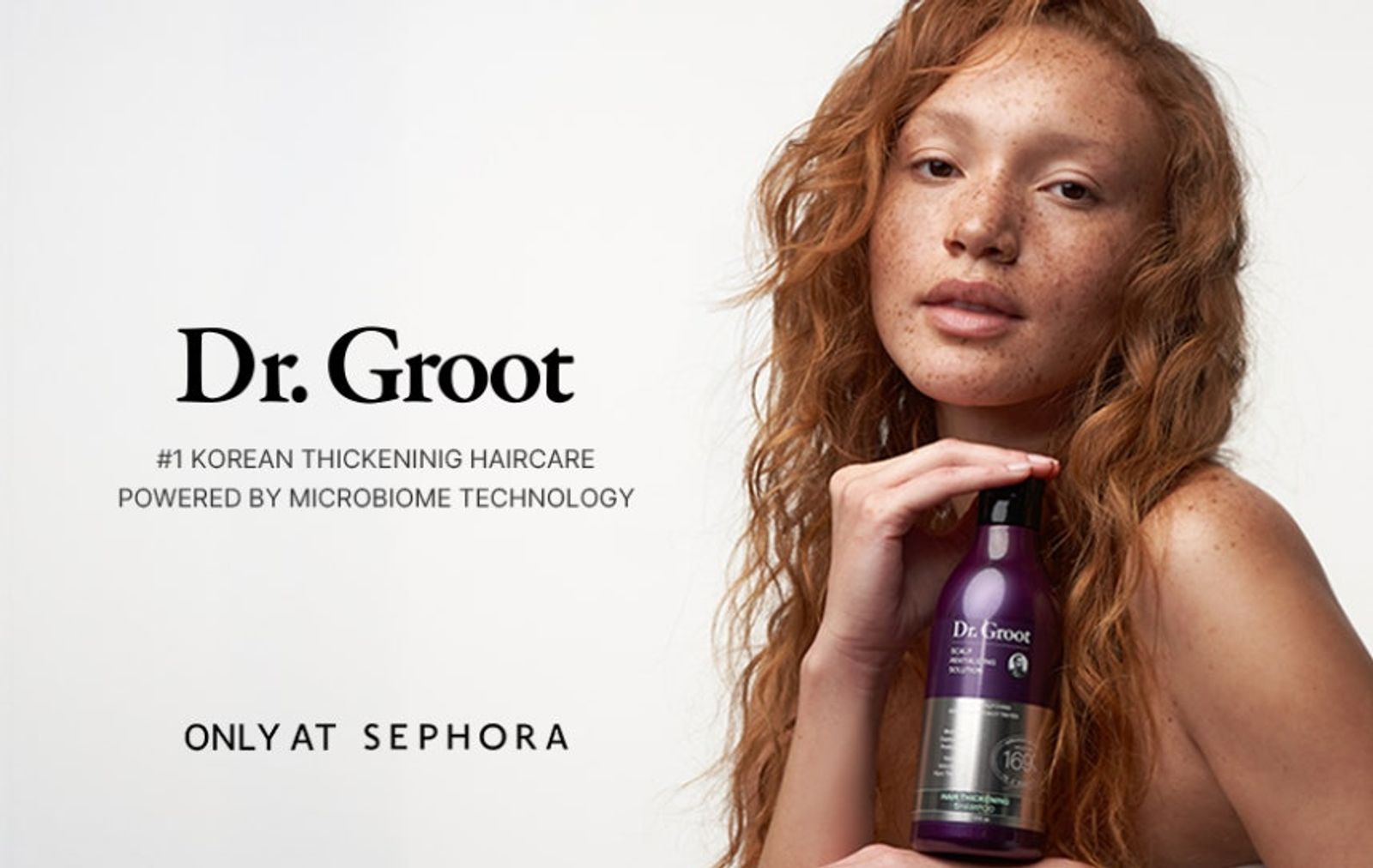
LG Household & Health Care (LG H&H) appears to be pulling out of a prolonged slump. The strategy is straightforward: reduce exposure to China and pivot towards North America as the new engine of growth. What makes this pivot distinctive is that everyday household and personal care products — shampoos, toothpastes, body washes — are leading the charge, rather than the prestige beauty lines that once defined the company.
How China became a liability
LG H&H's China business began to unravel sharply from 2021. A market that once accounted for more than 30% of total revenues has since shrunk to single digits. Several forces converged: a post-pandemic collapse in Chinese consumer confidence, the rise of "guochao" (國潮) — a nationalist preference for domestic brands — and the lingering effects of China's informal cultural embargo on South Korean products, known as the hallyu ban. The company's heavy dependence on its luxury skincare brand Whoo meant that when Chinese demand faltered, the financial damage was immediate and severe.
According to securities industry analysts, LG H&H's operating profit, which stood at roughly 1 trillion won (approximately $750m) in 2021, has since fallen to less than half that figure. The episode laid bare the dangers of concentrating on a single market and a single product category.
North America as the new growth anchor
LG H&H has been methodically building a North American platform for several years. In 2019 it acquired a stake in Arctic Fox, a premium American hair-colour brand. In 2021 it bought The Crème Shop, a US-based dermatology-inspired cosmetics firm. Its acquisition of the North American arm of Avon has also been credited with securing an essential distribution foothold in the region.
The strategic logic is deliberate: establish a presence in North America through household and personal care (HPC) products first, then leverage that platform to introduce higher-margin beauty lines. HPC goods — shampoos, toothpastes, body washes — are relatively insensitive to economic cycles and generate high repeat-purchase rates, providing a stable revenue base. "We are approaching North America as a market for building long-term brand equity, not short-term profits," a company spokesperson said.
Why toothpaste before lipstick
There are clear strategic reasons for letting HPC lead the way. Luxury beauty demands established brand recognition and compelling brand storytelling before consumers will open their wallets. Everyday personal care products, by contrast, can compete on price, ingredients, and function — a far lower barrier to entry. They are also far easier to place on the shelves of mass-market retailers such as Walmart, Target, and Amazon.
The results so far are encouraging. LG H&H's North American HPC business has recorded steady revenue growth, and brand awareness is rising alongside increased local marketing investment. Its oral-care brand Perioe and hair-care lines are gradually broadening their customer base beyond Asian-American communities towards mainstream consumers.
A well-worn playbook
This kind of category-led market entry is not without precedent. In the 1990s, Japan's Kao Corporation cracked the European market not through skincare but through John Frieda, its hair-care brand, using that foothold to expand into higher-value beauty products. Closer to home, Amorepacific — LG H&H's primary South Korean rival — is pursuing mainstream acceptance for K-beauty in North America through its acquisition of the cult skincare brand COSRX.
The common thread is a well-tested sequence: use an accessible product category to build consumer trust, then upsell into premium, higher-margin lines. LG H&H appears to be following the same script.
The risks are real
The revival story, however, is far from guaranteed. North America is a fiercely competitive market, dominated by deep-pocketed global incumbents — Procter & Gamble, Unilever, and Estée Lauder among them. Distribution costs are high, building brand recognition takes time and capital, and shifts in American trade policy, along with dollar exchange-rate volatility, add further complexity to margin management.
The domestic business offers little comfort either. South Korea's household goods market is approaching saturation, while independent and indie brands are steadily eroding the market share of large conglomerates in beauty. Data from the Ministry of Trade, Industry and Energy and the Korea Cosmetic Association show that small and independent brands have been consistently gaining ground in the domestic cosmetics market.
What comes next
LG H&H's North American pivot is, in a broader sense, a live experiment in the challenge facing the entire South Korean consumer goods industry: how to escape structural dependence on China. Because the company is prioritising long-term portfolio restructuring over near-term earnings, its progress will be watched closely by competitors including Amorepacific and Aekyung Industrial.
Analysts broadly agree that the success of the North American push will hinge on the depth of localisation. Sustainable growth, they argue, requires product development and marketing rooted in local consumer data and trends — not directives handed down uniformly from Seoul. Whether LG H&H can use the foundation it is laying with shampoos and toothpastes to build a credible home for K-beauty in North America should become clear within the next two to three years.