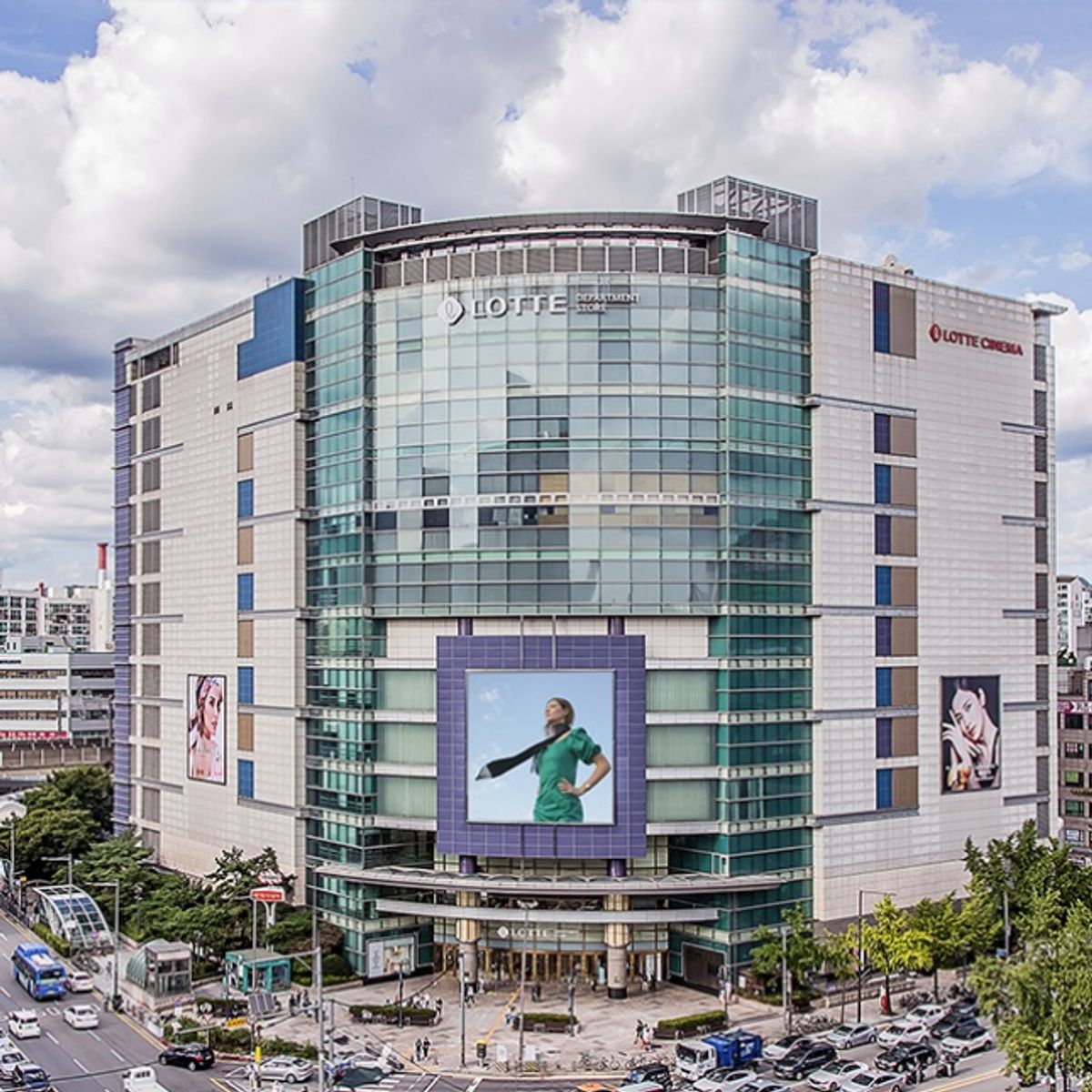
South Korea's major department stores posted notably strong results in the second quarter of 2025, defying a sluggish domestic economy and persistent inflationary pressure. The driving force was not a revival in local spending but an explosion in expenditure by foreign tourists — a shift that analysts describe as the moment "the benefits of the K-tourism boom began flowing in earnest into bricks-and-mortar retail."
Foreign spending: from footnote to headline
The country's three dominant department-store groups — Lotte, Shinsegae and Hyundai — all recorded clear year-on-year revenue growth in the second quarter, combining duty-free and general retail sales. The gains were most pronounced at stores concentrated in foreign-visitor hotspots such as Myeong-dong and Gangnam in Seoul, where growth rates far exceeded those of provincial outlets. An industry executive noted that foreign customers once accounted for 5–10% of total sales, but that figure now exceeds 20% at certain flagship stores.
According to the Korea Tourism Organization, more than nine million foreign visitors entered South Korea in the first half of 2025, approaching pre-pandemic levels last seen in 2019. Chinese, Japanese and South-East Asian tourists made up the bulk of arrivals, concentrating their purchases on Korean Wave-linked categories such as cosmetics, fashion and food — and tending to trade up to higher-priced items. A partial recovery in the yen has nudged Japanese visitors' per-capita spending higher, while the resumption of Chinese group tours has delivered a direct boost to luxury boutiques and cosmetics concessions.
Domestic consumption: a structural malaise
Paradoxically, the prominence of foreign demand reflects a conspicuous weakening of domestic spending. Statistics Korea's second-quarter household consumption survey showed retail sales falling 1.3% year on year. Prolonged high interest rates have swelled household debt burdens, pushing Korean consumers away from premium goods and towards value channels.
"The average transaction value from domestic shoppers is flat or slightly declining," said one retail analyst. "Foreigners are filling that gap." This structural shift also means department stores are becoming more exposed to external variables beyond their control — an uncomfortable vulnerability for businesses that traditionally prided themselves on predictable, loyalty-driven revenues.
Courting the tourist dollar
The major chains are responding with targeted strategies. Multilingual concierge services have been expanded; value-added tax refund procedures simplified; and payment platforms popular with foreign visitors — WeChat Pay, Alipay and Japan's PayPay — integrated across stores. Shinsegae's flagship Gangnam branch operates a dedicated concierge for VIP customers from China, Japan and South-East Asia, while Lotte's Myeong-dong main store has bundled exclusive shopping packages with travel agencies.
International precedent suggests where this could lead. During Japan's inbound tourism boom of the mid-2010s, department stores in Tokyo's Ginza district and in Osaka watched their foreign-customer revenues climb to 20–30% of total sales, as duty-free allowances were expanded and dedicated foreign-visitor departments were established at retailers such as Mitsukoshi and Takashimaya. South Korean chains appear to be following a similar path.
The risks lurking behind the optimism
Yet the outlook is not uniformly rosy. Tourism spending is acutely sensitive to exchange rates, flight capacity and diplomatic relations. A meaningful appreciation of the won would instantly erode foreign visitors' purchasing power. The industry has not forgotten the 2017 THAAD missile-defence dispute, when a sudden collapse in Chinese tourist arrivals delivered an immediate and severe blow to duty-free operators and department stores alike — a scenario that remains a standing cautionary tale.
Government visa policy is another swing factor. The recent expansion of visa-free entry for several South-East Asian nations has helped stimulate inbound tourism, but any reversal of that policy could quickly diminish its effect.
Opportunity or dependency trap?
Experts urge the industry to treat the current foreign-spending boom as a catalyst for deeper structural reform rather than a convenient prop for quarterly earnings. "Growth in foreign consumption is an opportunity, but allowing the domestic loyal-customer base to erode unchecked will create a dangerously fragile structure in the long run," warned a professor of retail management at Sookmyung Women's University. Her prescription: invest simultaneously in foreign-visitor infrastructure and in differentiated in-store experiences and enhanced membership schemes for Korean shoppers.
South Korea's department stores stand at a fork in the road. They can treat the foreign-tourist windfall as a short-term earnings fix — or use it as a platform to reinvent themselves as globally oriented, tourism-integrated retail destinations. Whether the strong second-quarter results mark the beginning of a sustainable growth story will depend, ultimately, on the strategic choices made by the retailers themselves and on how deftly the government co-ordinates its tourism and consumer policies.