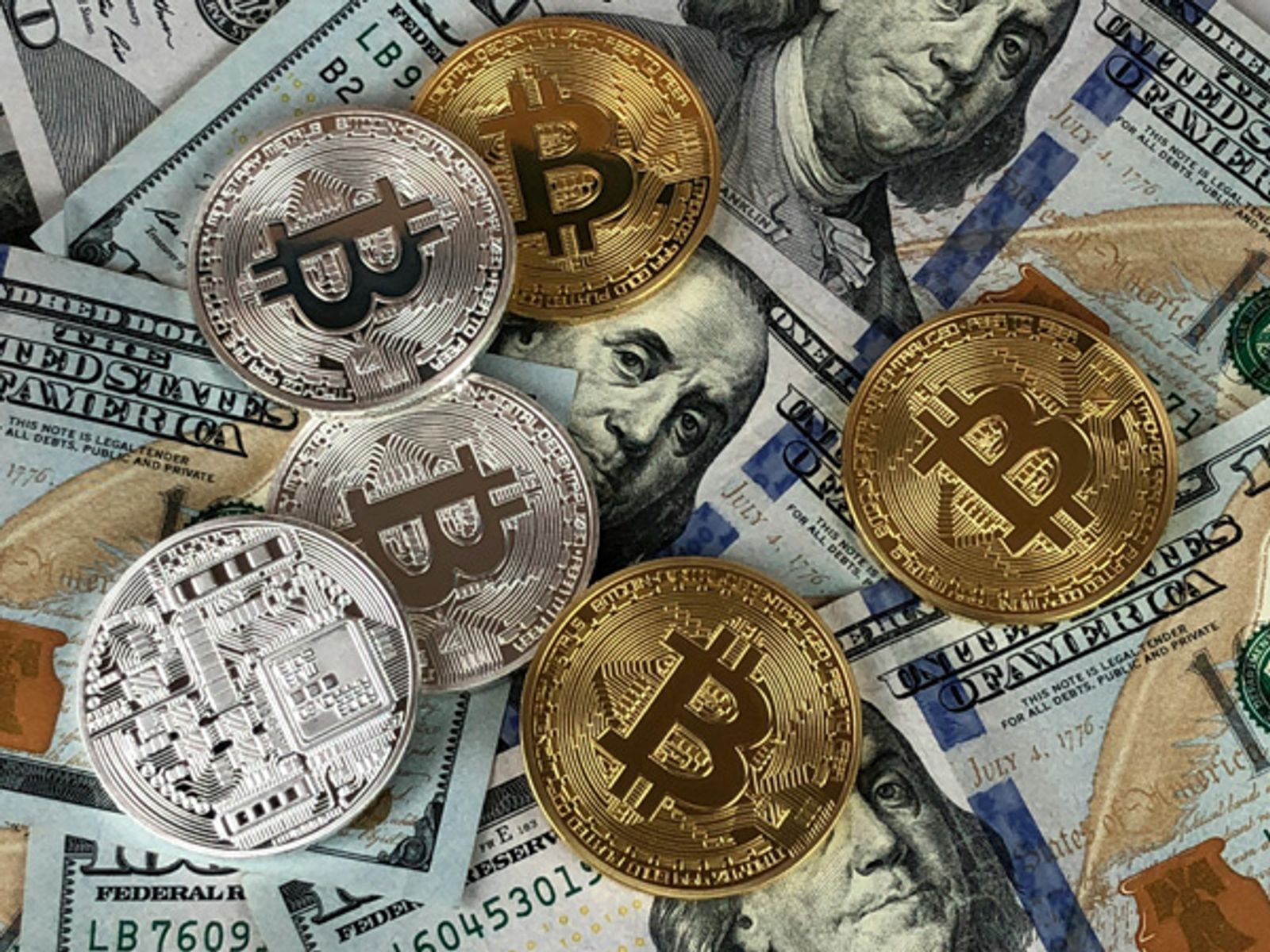
Samsung Electronics, Shinhan Financial Group, and Dunamu — operator of South Korea's largest cryptocurrency exchange, Upbit — have joined a stablecoin project led by Visa and BlackRock as strategic partners. The alliance brings together global traditional finance, fintech, and South Korean manufacturing, banking, and blockchain ecosystems in an unusually broad coalition.
Why Visa and BlackRock are betting on stablecoins
Visa has invested hundreds of millions of dollars over the past several years building blockchain-based payment infrastructure. After piloting USDC settlements on the Ethereum network in 2023, it moved to integrate stablecoins into cross-border payments in earnest in 2024. BlackRock, meanwhile, launched its tokenised money-market fund "BUIDL" on the Ethereum blockchain in March 2024, setting a benchmark for the real-world asset (RWA) tokenisation market. BUIDL surpassed $500m in assets under management within months of launch.
The structural economics of global payments explain why both firms are pushing in this direction. According to the World Bank, the average cost of cross-border remittances stood at 6.2% in 2023. Industry consensus holds that stablecoin-based payments can reduce that cost to below 1%. The Bank for International Settlements lent weight to this view in a 2024 report, stating explicitly that stablecoins are "emerging as a realistic infrastructure that can supplement or replace existing core banking systems."
Samsung, Shinhan, and Dunamu: each with its own strategic logic
The Korean companies' involvement is not a passive financial bet — it is an extension of each firm's longer-term strategy.
Samsung Electronics is understood to be planning an on-device stablecoin payment ecosystem, leveraging Samsung Wallet — embedded in Galaxy smartphones — alongside its hardware security chip (SE) capabilities. The approach represents a "device-finance" convergence strategy, positioning the handset maker to control the physical point of contact for digital payments. Samsung Pay already operates payment services across 47 countries, meaning that stablecoin integration could generate immediate network effects at scale.
Shinhan Financial Group's participation is best understood as defensive innovation. Should stablecoins accelerate the trend of disintermediation — routing payments around bank accounts altogether — incumbent financial institutions risk being left behind. Shinhan, which has operated a blockchain-based trade finance platform since 2022, appears to be using this project to stake an early claim in foreign exchange remittances, trade settlement, and corporate finance. "If banks remain outside the stablecoin ecosystem, they risk becoming mere deposit-taking institutions a decade from now," one financial industry executive warned.
Dunamu brings a different set of assets: the digital asset trading infrastructure and domestic user network that come from running Upbit, South Korea's dominant cryptocurrency exchange. Dunamu already operates a security token offering (STO) subsidiary. It is expected to play a central role in providing stablecoin liquidity and building the Korean won on- and off-ramps that will connect the project to local users.
The global competitive landscape
Timing adds to the project's significance. The United States enacted the GENIUS Act in 2025, establishing a federal regulatory framework governing stablecoin issuance and reserve requirements. The European Union's Markets in Crypto-Assets regulation (MiCA) has brought euro-denominated stablecoins fully within the regulatory perimeter. South Korea, following the implementation of its Virtual Asset User Protection Act in 2025, has begun substantive legislative discussions on a second phase of crypto regulation that would cover stablecoins.
The market itself is expanding rapidly. Global stablecoin market capitalisation surpassed $250bn by the end of 2025, and Standard Chartered projects that figure could exceed $1trn by 2030. Tether (USDT) and USDC currently dominate, but the entry of players with the brand credibility and regulatory sophistication of Visa and BlackRock could prove an inflection point for the market's structure.
Elsewhere in Asia, competition is already moving quickly. Mitsubishi UFJ Financial Group has launched its own stablecoin, "Progmat," for use in inter-corporate payments in Japan. Singapore's DBS Bank is expanding tokenised deposit services in partnership with JPMorgan's Onyx platform. As Asian financial hubs accelerate their build-out of stablecoin infrastructure, Korean firms' participation in this alliance carries implications for the country's broader digital financial competitiveness.
Risks and challenges
There are legitimate reasons for caution. Stablecoins face two structural challenges: transparency of reserve management, and systemic risk. The collapse of the Terra-Luna algorithmic stablecoin in 2022 impressed upon global markets the potential for catastrophic failure. Even fiat-backed stablecoins carry risks: if reserves are concentrated in short-term bonds and money-market funds, a financial shock could trigger cascading redemption crises — a concern the International Monetary Fund has repeatedly flagged.
South Korea's regulatory environment introduces further uncertainty. The Financial Services Commission is weighing whether to regulate stablecoins as prepaid electronic payment instruments under existing electronic finance laws, or through separate legislation. Depending on the approach taken, asymmetries in licensing could emerge between regulated financial institutions such as Shinhan and virtual asset service providers such as Dunamu.
Questions of data sovereignty are also being raised. Civil society groups and some legislators have expressed concern that, if a global platform aggregates payment data centrally, South Korean users' transaction records could end up concentrated on servers controlled by American technology companies.
Outlook: the race to set the standard
The alignment of Visa and BlackRock with Samsung, Shinhan, and Dunamu represents more than a business partnership. It marks the starting line in a contest over who gets to design the architecture of next-generation global payment infrastructure. The fact that South Korean companies are joining as ecosystem participants — not merely as investors — offers the country's digital finance industry a genuine opportunity to shape global standards in the making.
Experts broadly agree that the next two to three years will be decisive in determining who controls the stablecoin ecosystem. If the South Korean government and financial regulators fail to articulate a clear regulatory framework swiftly, there is a real risk that domestic firms' participation ends up entrenching their dependence on foreign platforms rather than building sovereign capability. That warning deserves to be heeded.