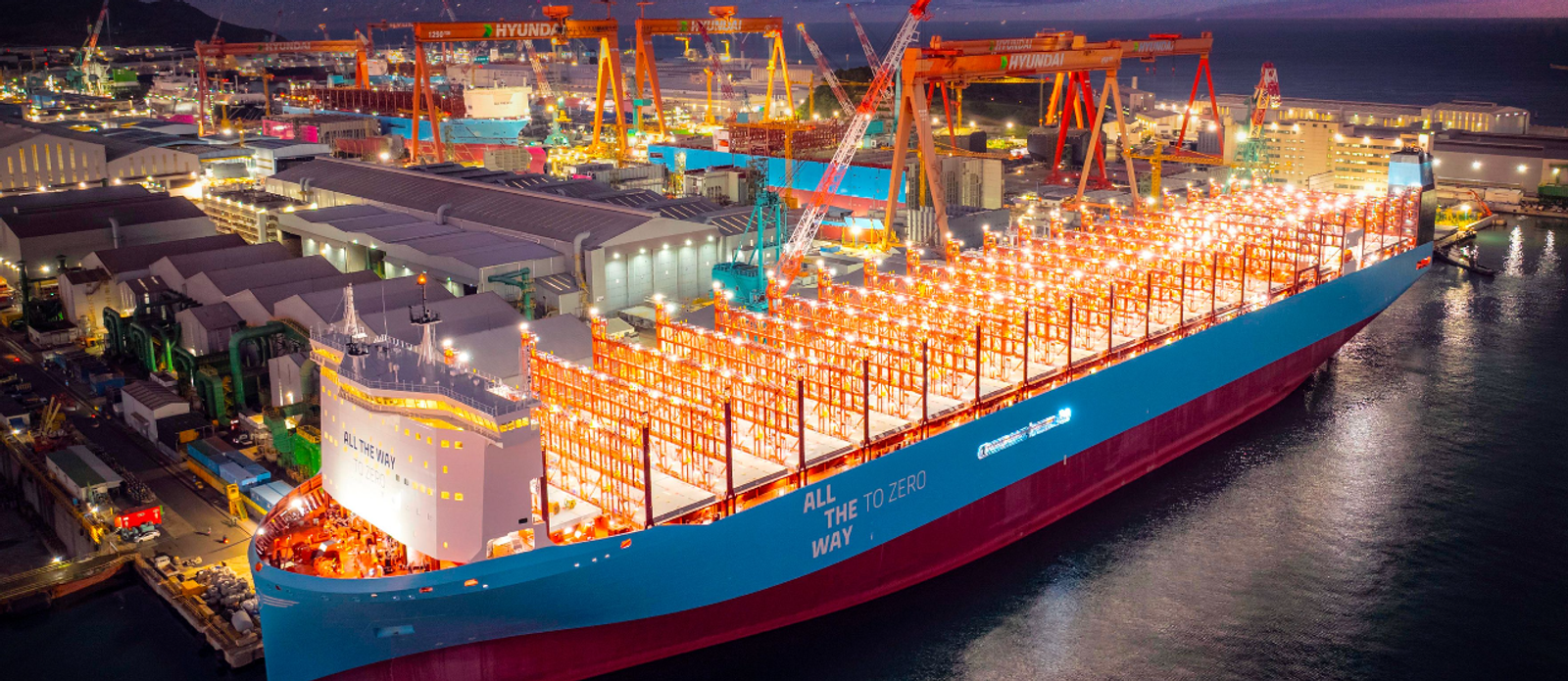
HD Korea Shipbuilding & Offshore Engineering — the holding company of HD Hyundai Heavy Industries, South Korea's dominant shipbuilder — has secured an order for six product carriers (PCs) from a Middle Eastern shipping company. The contract pushes the group's order intake to 68.8% of its annual target, a milestone reached in early July, prompting analysts to suggest that a full-year overshoot is now a near-certainty.
What is a product carrier?
A product carrier is a vessel designed to transport refined petroleum products — petrol, naphtha, kerosene and similar commodities — rather than crude oil. Unlike a conventional crude tanker, a PC is fitted with multiple independent tanks to prevent different cargoes from mixing. The design complexity makes these ships technically demanding to build, giving experienced yards a meaningful edge over less capable rivals.
The Middle East is not only the world's largest oil-exporting region but is also expanding its refining and petrochemical capacity, steadily increasing the volume of refined products it ships by sea. This latest order reflects that trend.
Why 68.8% matters
Reaching nearly 70% of an annual order target just after the mid-point of the year is an unusual feat. In the shipbuilding industry, large contracts typically cluster in the second half of the calendar year. Having already reached this level in the first half, most industry observers regard an annual overshoot as effectively assured.
Middle Eastern orders and the broader market shift
The identity of the buyer is as significant as the size of the order. Gulf oil producers are moving away from exporting raw crude towards refining and processing hydrocarbons domestically before selling them at higher value — a strategy being pursued aggressively by Saudi Aramco, Abu Dhabi National Oil Company (ADNOC) and their peers. As this shift continues, long-term demand for product carriers is set to rise. Korean shipbuilders, with their technical expertise in complex vessel types, are well positioned to capture that demand.
Outlook for orders and earnings
The industry expects HD Korea Shipbuilding to surpass its annual order target with ease. The second half of the year holds the prospect of additional contracts for liquefied natural gas (LNG) carriers and container ships — two high-margin vessel categories. Korean yards already control more than 70% of the global LNG carrier market, making such contracts particularly valuable to profitability.
The financial outlook is equally encouraging. Shipbuilding revenues are typically recognised two to three years after an order is booked, meaning that today's strong order intake will flow through to earnings around 2027. Several securities houses are forecasting that HD Korea Shipbuilding will post record operating profits in both 2025 and 2026.
The super-cycle backdrop
Behind all of this lies what the industry calls a shipbuilding super-cycle. After a prolonged slump that began in the mid-2000s, the global market has recovered sharply since 2022, driven by two simultaneous forces: the replacement of ageing fleets and the transition to cleaner vessels. Tightening international regulations on sulphur oxide and carbon emissions have prompted shipping companies to retire older tonnage and commission new, environmentally compliant ships.
Shipyard dry docks are already fully booked through 2027, meaning any order placed today will not be delivered for two to three years. In this environment, leading Korean yards have the luxury of being selective — prioritising the most profitable vessel types and the most creditworthy clients.
HD Korea Shipbuilding's latest contract is more than a single deal. It is a further demonstration of the structural advantages that South Korean shipbuilders have secured in the global market — advantages that show little sign of eroding any time soon.