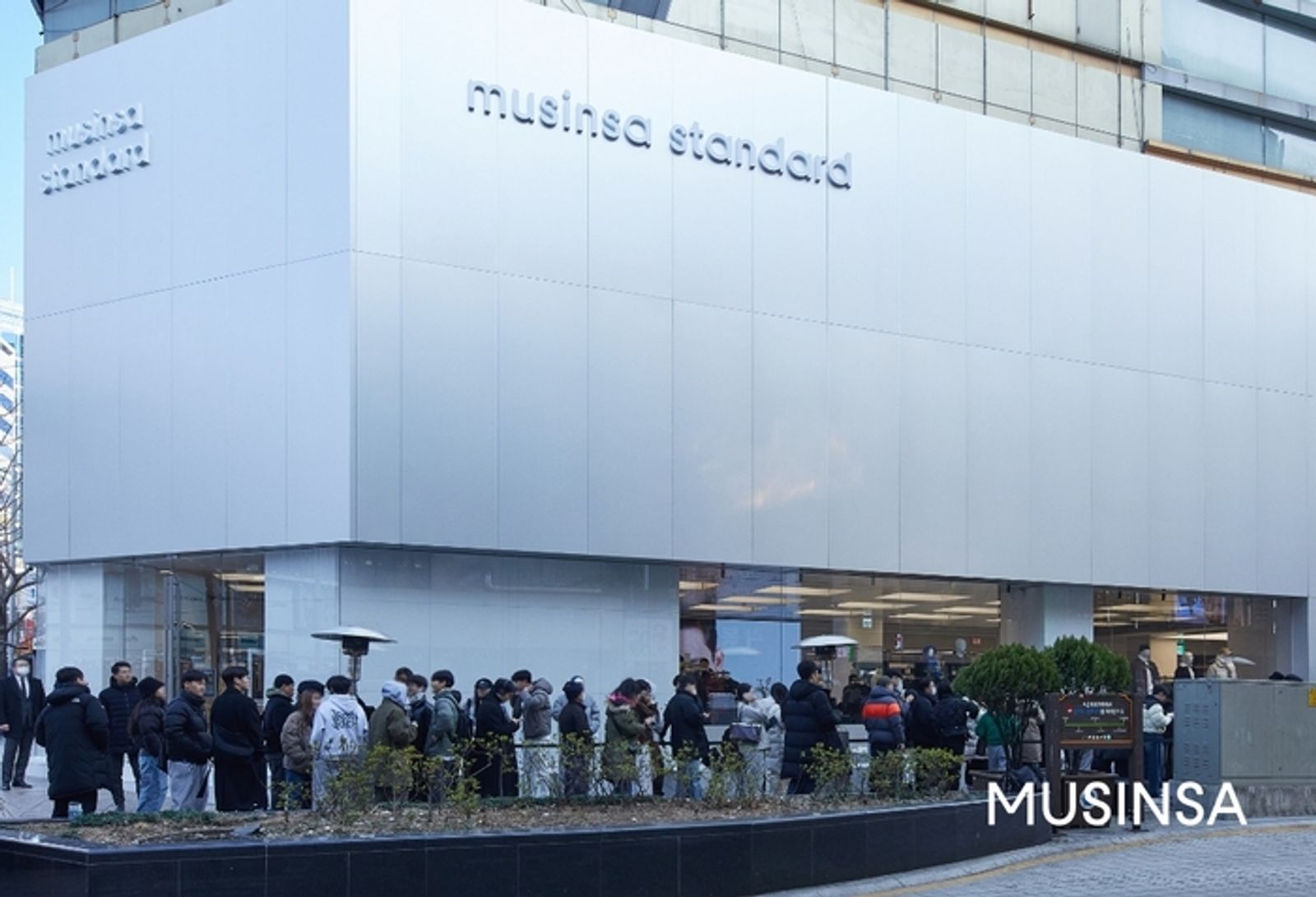
Busan is emerging as a new battleground for K-fashion. As foreign shoppers venture beyond Seoul's traditional retail corridors in Myeongdong and Hongdae, South Korean fashion brands have begun targeting the port city's tourist-heavy commercial districts with strategic intent. The goal is not simply geographic expansion: brands want Busan to serve as their first point of contact with global consumers.
How foreign tourists reshaped Busan's retail landscape
According to the Korea Tourism Organisation, the number of foreign visitors to Busan recovered rapidly towards pre-pandemic levels in 2023, reaching several million annually. Tourists from Japan, China and South-East Asia have concentrated particularly around the Haeundae and Gwangalli beachfront areas, as well as the Nampo-dong and Seomyeon commercial districts. The resumption of international cruise services at Busan Port and an expansion of air routes between South Korea and Japan have accelerated this influx.
Reading this shift in demand, K-fashion brands have rushed to establish a presence in the city. Labels that operate across both online and offline channels—including Musinsa, Xexymix and Mardi Mercredi—have opened flagship or pop-up stores in Busan's prime retail areas in quick succession. Rather than simply selling goods, these brands have foregrounded experiential retail spaces designed to encourage foreign visitors to share content on social media.
Why now, and why Busan?
Industry analysts point to three factors behind the city's appeal. The first is accessibility. Busan lies just three hours by sea from Fukuoka in Japan, generating a steady stream of Japanese day-trippers and overnight shoppers who possess strong purchasing power and a clear affinity for K-fashion. Some Busan multi-brand boutiques report that Japanese customers account for more than 30% of total sales.
The second factor is rent. As commercial rents in Seoul's trendiest districts—Seongsu-dong and Hongdae—have surged, smaller fashion brands have found it increasingly costly to maintain flagship stores in the capital. By contrast, Busan's prime retail zones offer comparable foot traffic at meaningfully lower cost, making the economics considerably more attractive.
The third factor is content differentiation. Busan's beaches, narrow alleyways and nocturnal skyline provide a visual backdrop that amplifies the effect of brand marketing on social media when woven into a label's aesthetic identity, analysts argue.
From pop-up to permanent: an evolving strategy
The nature of brands' market-entry strategies is itself telling. An increasing number of labels that initially tested the waters with short-term pop-up stores have, upon seeing encouraging results, committed to permanent retail locations. This signals that brands now recognise Busan's foreign consumer market as a structural phenomenon rather than a transient one.
"When we ran the pop-up, the repeat-visit rates and average transaction values from Japanese and Thai tourists were far higher than we expected," said one fashion industry executive. "Busan is already functioning as the second-largest K-fashion consumption market after Seoul." Several brands have disclosed that foreign customers now account for more than half of sales at their Busan outlets.
A global precedent: the decentralisation of fashion cities
Similar patterns have emerged elsewhere. In Japan, fashion spending that was once concentrated in Tokyo gradually dispersed to Osaka and Fukuoka, transforming those cities' retail districts into testing grounds for global brands. Fukuoka's Daimyo district, which took inspiration from Tokyo's Harajuku, grew into a destination for streetwear in its own right, creating a virtuous cycle of local economic activity and tourist inflows.
Bangkok offers another instructive example. An emerging fashion district near the Chatuchak market has become a pilgrimage site for Gen Z travellers from around the world, constructing an ecosystem that connects local designer brands with international tourist spending. Experts believe Busan has the potential to develop into a similar "locally anchored fashion cluster."
Risks and limitations
Not everyone is sanguine. Busan's foreign tourist spending is structurally sensitive to seasonality and currency fluctuations. A sustained depreciation of the Japanese yen could crimp Japanese visitors' purchasing power, and if Chinese group tourism fails to recover to expected levels, the demand base could prove shakier than it appears.
There are also concerns about the city's retail infrastructure. Many stores lack the consumer-friendly environment that foreign shoppers expect: logistics and inventory management remain patchy, multilingual staff are in short supply and payment systems are insufficiently varied. Without sufficient brand recognition to draw customers in, brands that rush into the market risk burning through costs with little to show for it—a "pop-up bubble," as some in the industry have cautioned.
Policy implications: cities and brands must act in concert
For K-fashion's advance into Busan to prove sustainable, experts argue, individual brands cannot act alone. The city must develop a coherent fashion-cluster strategy to complement private investment. Were Busan's municipal government to designate dedicated shopping zones for foreign tourists and strengthen the soft infrastructure around them—multilingual signage, streamlined tax refunds and integration with fashion and cultural programming—the appeal to brands would increase considerably.
Ultimately, whether Busan establishes itself as an independent K-fashion hub rather than a satellite of Seoul will be determined by the intersection of brands' long-term investment commitments and local government policy support. As the global spread of K-fashion migrates from online channels into physical urban spaces, Busan's prospects of becoming the movement's next great staging post have rarely looked more promising.