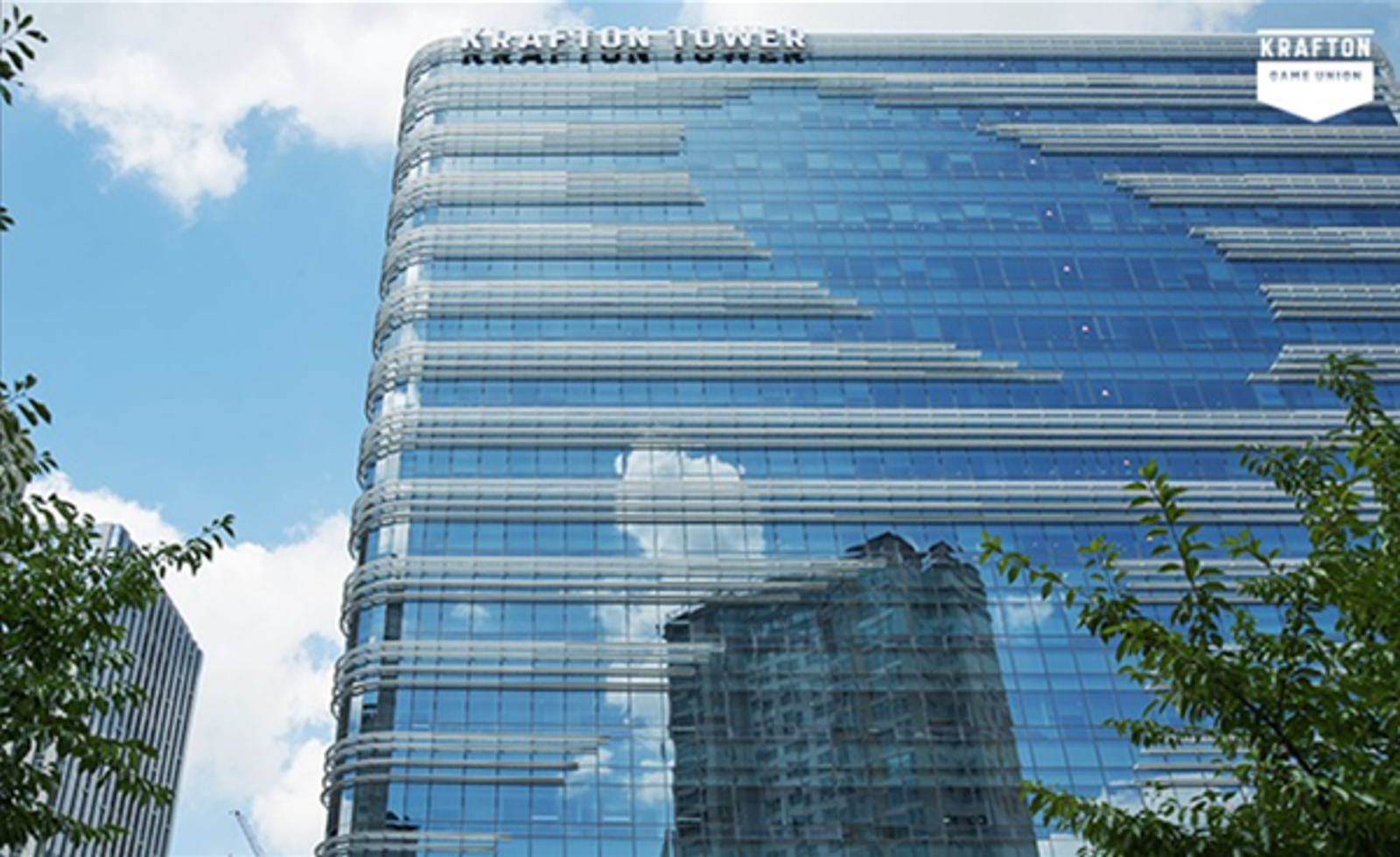
A high-stakes legal battle between South Korean games giant Krafton and its subsidiary, Unknown Worlds Entertainment, has been brought to an abrupt close. The withdrawal of a lawsuit valued at roughly 340 billion won (approximately $250m) draws a line under one of the most closely watched parent-subsidiary disputes in the global gaming industry — and stands as a textbook example of the tensions that arise when a major publisher acquires an independent studio.
From acquisition to courtroom
Krafton acquired Unknown Worlds, the American indie developer behind the underwater survival series *Subnautica*, in 2021. At the time, the deal was widely read as a strategic bid to diversify beyond *PUBG: Battlegrounds* into new genres. Before long, however, the two sides were at odds over creative direction, operational autonomy, and the division of revenues.
The lawsuit hinged on whether the terms of the original acquisition agreement had been honoured. Key figures at Unknown Worlds alleged that commitments made at the time of the deal were not upheld, and filed a damages claim worth 340 billion won. Krafton rejected the allegations, insisting it had fulfilled its contractual obligations in good faith.
A structural collision between publisher and indie studio
The dispute has shone a light on a recurring problem across the industry. Independent studios typically enter acquisitions expecting their creative autonomy and distinctive culture to be preserved. Large publishers, by contrast, tend to prioritise return on investment, release schedules, and commercial performance. That gap in expectations is often the root cause of conflict.
Similar episodes are common elsewhere. Several studios acquired by Microsoft have subsequently been shuttered or haemorrhaged key talent. Electronic Arts drew lasting criticism after dissolving Visceral Games — the studio behind *Dead Space* — along with a string of other acquisitions, cementing a perception among indie developers that being bought by a major publisher means the effective death of a studio's identity.
Industry analysts describe the problem as a structural dilemma. For an independent studio, a large publisher's financial firepower offers the chance to develop at a greater scale; but the moment a deal is signed, creative autonomy becomes a matter for negotiation.
Why both sides chose settlement over prolonged litigation
Most observers attribute the settlement to hard-headed pragmatism on both sides. International litigation is expensive, time-consuming, and unpredictable. For Krafton, a protracted court battle risked reputational damage and could have complicated future studio acquisitions and partnerships. For Unknown Worlds, fighting a legal war of attrition made it all but impossible to focus on making games.
Krafton currently has much riding on an upcoming slate of titles, including *Dark and Darker Mobile* and *inZOI*. Allowing a multi-hundred-billion-won lawsuit to drag on at such a moment would inevitably weigh on investor confidence and market sentiment. Ultimately, both parties concluded that an early settlement served their interests better than an extended war of attrition.
Krafton's multi-studio strategy faces scrutiny
Beyond the immediate dispute, the episode signals that Krafton's broader strategy of acquiring overseas studios deserves closer examination. The company has moved aggressively to purchase foreign developers as a means of diversifying revenue following the *PUBG* era. But cultural differences, clashing management styles, and divergent readings of contractual terms are challenges that cannot be solved by capital alone.
Industry insiders argue that even when acquisition contracts include explicit clauses guaranteeing creative independence, conflict is inevitable unless the two parties reach a granular, shared understanding of what those clauses mean in practice. The philosophy underpinning day-to-day operations, they suggest, matters more than the precise wording of any contract.
What comes next
It remains unclear how the relationship between Krafton and Unknown Worlds will be reorganised following the withdrawal of the lawsuit, or whether the studio will continue to operate under Krafton's ownership at all. The industry regards the retention of key creative talent as the pivotal variable in the studio's fate. Should the team responsible for *Subnautica*'s success depart, the commercial value of that intellectual property would likely suffer.
As South Korean games companies become increasingly active acquirers on the global stage, the Krafton–Unknown Worlds affair will stand as a significant precedent. The lesson it offers is straightforward: buying a studio is not merely a transaction in assets, but an acquisition of the people and culture that gave it value. The resolution of a 340 billion won dispute is not so much an ending as a warning shot — a sign that Korea's gaming industry must enter a more mature phase in its approach to global expansion.