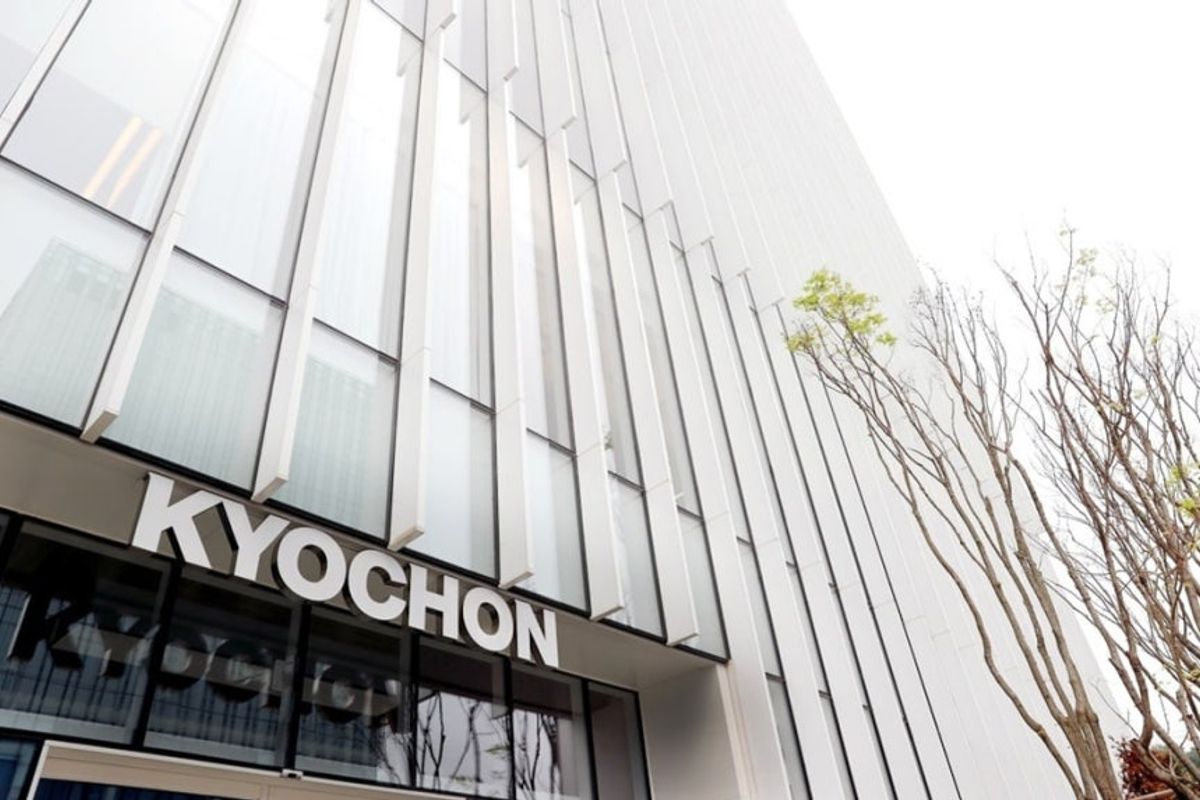
Kyochon F&B, operator of South Korea's largest fried-chicken franchise, has fallen into a paradox familiar to consumer-food companies worldwide: growth without profit. Despite posting higher revenues in the second quarter of 2026, the company saw its operating profit shrink — a divergence that analysts attribute not to a temporary blip, but to a structural deterioration in its cost base.
Revenue up, earnings down
The contrast in Kyochon's second-quarter results was stark. Sales rose year-on-year, yet operating profit declined, laying bare a widening gap between top-line expansion and bottom-line reality. Industry observers are treating this not as a routine quarterly fluctuation but as a warning signal about the sustainability of Kyochon's business model.
The trend is not unique to Kyochon. Rivals such as bhc and BBQ have similarly struggled in recent years to defend their operating margins against a twin squeeze of rising raw-material costs and higher labour expenses. According to Korea Agro-Fisheries & Food Trade Corporation (aT), domestic wholesale prices for chicken have risen continuously since 2023, placing mounting cost pressure on both franchise headquarters and individual outlet operators.
A cost structure that won't bend
Analysts identify three principal drivers of Kyochon's eroding profitability. First, raw-material costs: the price of chicken — the company's primary input — has remained elevated due to outbreaks of highly pathogenic avian influenza and rising feed costs. Second, fixed costs: successive annual increases in the statutory minimum wage have pushed up both franchisee-support expenses and the cost of running distribution centres. Third, marketing expenditure: in an intensely competitive market, Kyochon has had to spend more on advertising and promotions simply to maintain brand visibility.
Food-service consultants are blunt in their assessment. "Chicken-franchise companies have generated revenue growth through price increases, but their cost inflation has outrun those gains," said one industry consultant. "This is a structural problem across the entire domestic franchise sector."
The limits of pricing power
Kyochon was the company that ushered in a new era for Korean consumers in 2022, when it pushed the price of its signature Honey Combo above 20,000 won (roughly $15) — making it the first major chain to cross that threshold. The move provoked a consumer backlash and calls for a boycott, yet Kyochon held firm. But that card has now been played. Surveys by the Korea Consumer Agency show that consumers are particularly sensitive to chicken prices compared with other dining-out categories, meaning any further increase risks driving customers away entirely.
Delivery-platform data already hint at a slowdown: growth in chicken orders has decelerated noticeably. The rise of single-person households and the spread of value-conscious spending habits are nudging consumers towards cheaper, smaller chicken brands or alternative meal options.
A global problem, not a local one
Kyochon's predicament echoes the experience of chicken chains elsewhere. In the United States, Raising Cane's and Popeyes both raised prices repeatedly after the pandemic as ingredient and labour costs climbed. The lesson drawn from the global industry is consistent: price increases are a short-term remedy; lasting relief requires simultaneous improvements in cost efficiency and menu diversification.
Japan offers an instructive contrast. KFC Japan restructured its chicken supply chain around long-term contracts with domestic farmers and introduced hedging strategies to dampen price volatility — achieving a degree of input-cost stability that South Korean operators have yet to replicate.
Tension between franchisor and franchisees
The profit squeeze is also straining the relationship between Kyochon's corporate headquarters and its roughly 1,200 franchised outlets across the country. If the company adjusts the prices it charges franchisees for ingredients, or renegotiates royalty arrangements to protect its own margins, it risks provoking a backlash from outlet owners. The Korea Fair Trade Mediation Agency reports that the number of franchise-related dispute filings has risen every year, with the chicken sector accounting for a disproportionate share.
Kyochon faces a particularly delicate balancing act. With so many outlets to support, the company carries substantial fixed costs in franchisee management and logistics. If outlet profitability falls too far, closures will follow — damaging the brand and ultimately undermining the very revenue base the company is trying to protect. Simply cutting internal costs is not an option when the health of 1,200 franchisees depends on the support they receive.
The way forward: diversification and efficiency
The industry consensus is that Kyochon cannot solve this structural problem through pricing alone. What is needed is a combination of business-portfolio diversification and supply-chain efficiency. Kyochon's recent efforts to expand exports of Korean food products and grow its overseas store network fit squarely into this logic — an attempt to offset saturation in the domestic market with international growth.
On the policy front, there are growing calls for a regulatory review of how profits are shared between franchise headquarters and their outlet operators. Strengthening the information-disclosure requirements that Korea's Fair Trade Commission imposes on franchisors — in particular, improving transparency around the margins earned on mandatory ingredient purchases — could help address the structural imbalances that lie at the heart of the industry's difficulties.
The paradox of rising sales and falling profits is not Kyochon's alone to solve. For South Korea's franchise-food industry as a whole, avoiding the "growth trap" will require a fundamental rethink of cost structures and a renewed effort to rebuild trust with consumers. The clock is ticking.