Introduction
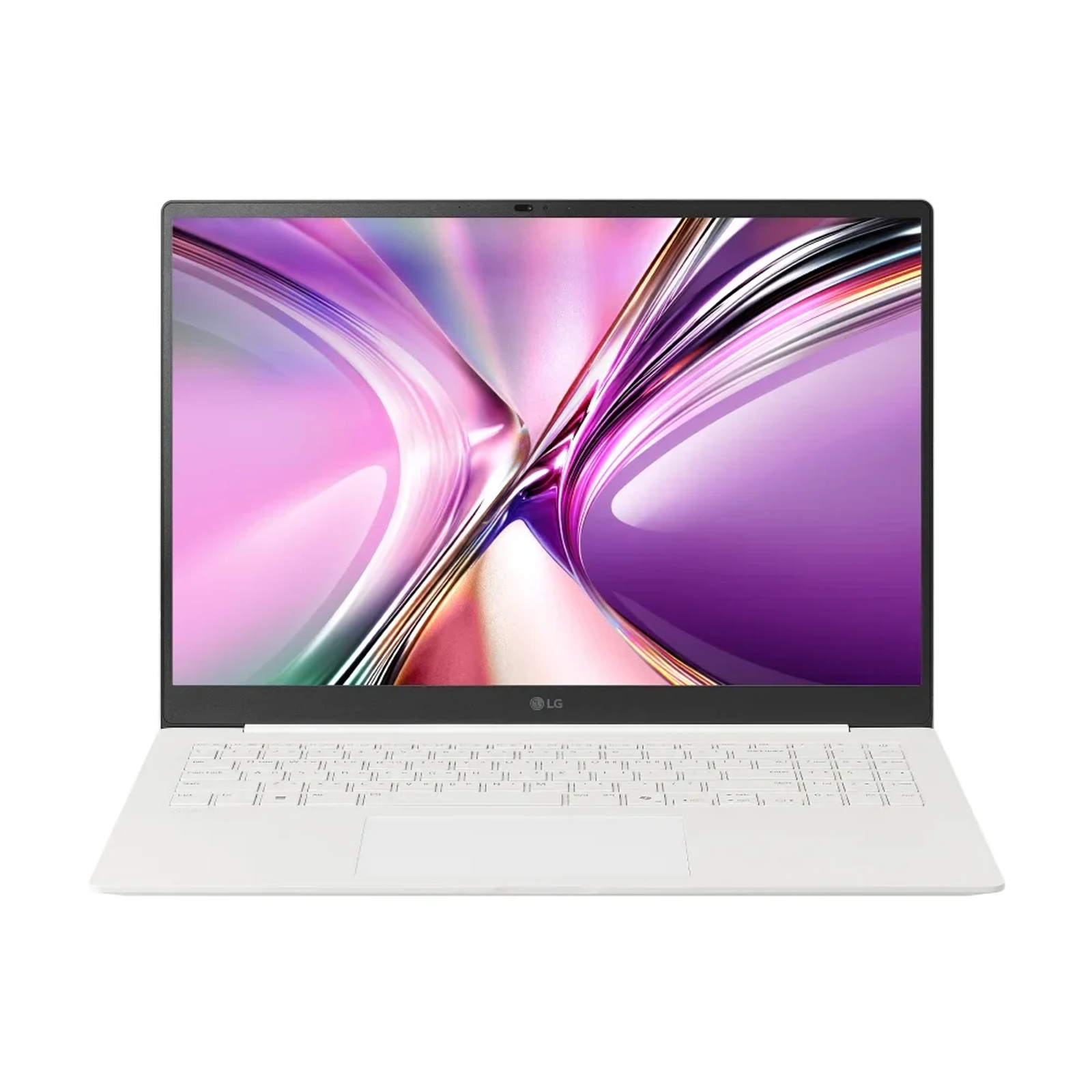
LG Electronics unveiled the 2026 Gram Pro AI (models 16Z90U and 16Z95U) at CES 2026 in Las Vegas in January. Lee Choong-hwan, Executive Vice President and head of LG's display business division, described the machine as one that "sets a new benchmark for AI PCs" — preserving the Gram line's defining ultralight identity through a novel high-strength metal alloy, while delivering a significantly more sophisticated AI experience.
Specifications
The most striking change is the material. LG has introduced a proprietary magnesium-aluminium alloy it calls "Aerominum," borrowed from aerospace engineering. The 16-inch Gram Pro retains its body weight of 1,199g while improving scratch resistance by more than 35% over its predecessor. The chassis has also cleared all seven categories of the United States Department of Defense MIL-SPEC reliability tests, covering shock, dust, high temperature, low temperature, vibration, salt mist, and low pressure.
The AI capabilities are built around EXAONE 3.5, a large language model developed in-house by LG AI Research. The on-device AI interface, "Gram Chat On-Device," performs document summarisation, search, and translation without any internet connection. Additional features include "My Archive," which indexes files stored on the device into a searchable database, and "Time Travel," which retrieves past work sessions and can restore accidentally deleted data. The laptop also supports Microsoft's Copilot+ PC platform, enabling functions such as real-time video subtitle translation and AI image generation. The result is what LG calls a "multi-AI" architecture — its own proprietary system and Microsoft's running in parallel.
Connectivity has been expanded as well. The "Gram Link" feature, previously limited to iOS and Android devices, now extends to LG's webOS ecosystem, allowing the laptop to connect with LG televisions, smart monitors, and projectors. A new "Secure Lock" function enables users to remotely protect or wipe data in the event of loss or theft.
Battery capacity on the 16-inch model stands at 77Wh, rated for up to 27 hours of video playback in LG's internal tests, with a 30-minute fast charge sufficient for more than nine hours of use. Processor options include Intel Core Ultra and AMD Ryzen AI 400 series chips. The full 2026 lineup spans seven models, released in stages: the Gram Pro AI (17-inch and 16-inch), Gram Pro 360 AI (16-inch), Gram AI (15-inch and 14-inch), and Gram Book AI (16-inch and 15-inch).
Strengths and Limitations
The Gram Pro AI's chief appeal lies in combining lightness with intelligence. At 1,199g, it retains its ultralight credentials — a hallmark of the Gram series since its launch — while offering a multi-AI setup that pairs LG's own on-device model with Microsoft's Copilot+ platform, a combination rarely seen in rival laptops. MIL-SPEC certification adds a credible layer of reassurance on durability.
There are caveats, however. For all the richness of its AI features, real-world satisfaction tends to hinge on fundamentals: weight, battery life, and connectivity. User reviews already note that "AI is nice to have, but missing ports are a genuine inconvenience" — suggesting that practical considerations such as external monitor support, classroom and conference-room connectivity, and USB-C charging carry more weight in purchasing decisions than any AI feature set. With seven models in the lineup, choosing the wrong variant for one's needs risks ending up with an ill-suited machine.
Verdict
The 2026 Gram Pro AI builds on the series' long-standing ultralight identity, layering EXAONE-based on-device AI and Copilot+ support on top of already capable hardware. It is a genuine attempt to compete on both physical and computational grounds simultaneously. Yet before being dazzled by its AI credentials, buyers would do well to check the basics — weight, battery endurance, and port selection — since those are what determine satisfaction day to day.
★★★★☆ (4.0/5.0)
In a word "As light as ever, and considerably smarter."