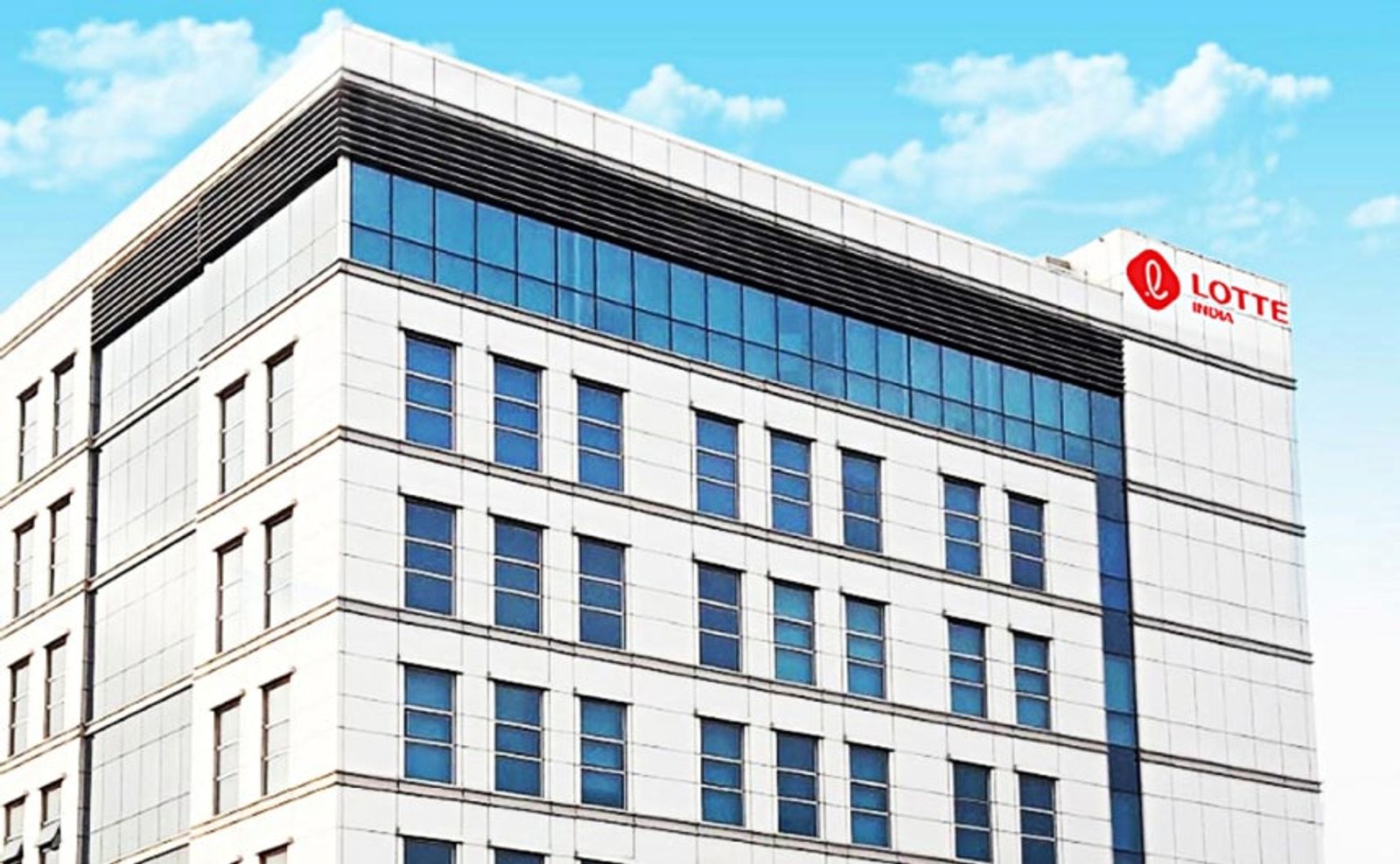
When Lotte Wellfood marked the first anniversary of its consolidated Indian subsidiary, the headline figure it chose to highlight was a 28% rise in revenues for the first half of 2025, compared with the same period a year earlier. That number is more than a corporate milestone. It signals that a major Korean food company is making genuine headway in what has become the world's largest consumer market by population — and doing so through a deliberate strategy of localisation rather than simply exporting products from home.
Why consolidation mattered
Until recently, Lotte Wellfood operated in India through several separate business units. Merging these into a single legal entity was designed to streamline decision-making and create a unified platform for brand-building. The company's core Indian offerings span confectionery and ice cream, with Choco Pie — the marshmallow-filled chocolate-coated snack cake that has become something of a cultural ambassador for Korean food across Asia — serving as its flagship product.
The Indian confectionery market provides a hospitable backdrop. According to Euromonitor, the sector has been expanding at an annual rate of 8–10%, and by 2025 its total value has surpassed $20bn. Rapid urbanisation, a growing middle class and a youthful demographic profile are the principal engines of that growth. Against this backdrop, Lotte's 28% expansion represents a rate more than twice the market average — an impressive achievement, even if context is warranted.
Glocal or bust
The centrepiece of Lotte's India strategy is what the company calls "glocalisation" — adapting global brands to local tastes while preserving the manufacturing standards and quality controls that underpin the parent company's reputation. India presents particular challenges in this regard. Roughly 30–40% of the population is vegetarian, and the country's Muslim minority requires halal-certified products. Lotte has adjusted its portfolio accordingly, expanding vegetarian and halal-certified product lines.
Distribution poses an equally formidable challenge. India's retail landscape is bifurcated: modern trade — large supermarkets and organised retail chains — exists alongside tens of millions of small neighbourhood shops known as kirana stores, which still account for the bulk of fast-moving consumer goods sales outside major cities. Lotte is understood to be pursuing both channels simultaneously, though building the last-mile logistics network to serve kirana stores at scale remains a long-term endeavour.
Swimming with sharks
The competitive environment is unforgiving. Mondelez International, whose Cadbury brand has been synonymous with chocolate in India for decades, holds the top position in that segment. ITC, one of India's most powerful conglomerates, dominates the biscuit market through its extensive distribution network. Britannia Industries is another formidable local rival. That Lotte has managed double-digit growth in this company is notable.
Yet some scepticism is in order. The consolidation of multiple business units into a single entity inevitably creates transitional disruption — temporary revenue gaps during restructuring that can artificially depress the base against which subsequent growth is measured. Since Lotte has not disclosed absolute revenue figures or operating margins for its Indian operations, the quality of that 28% growth — and whether it is translating into profit — cannot yet be independently assessed.
Lessons from others
The broader history of foreign food companies in India counsels patience. Japan's Nissin Foods invested heavily in localising instant noodles for Indian consumers but struggled for years to build meaningful penetration beyond urban centres. By contrast, Orion — another Korean confectionery group — has pursued a sustained localisation strategy in India with its own Choco Pie product, gradually building annual revenues running into the tens of billions of Korean won. Orion's Indian operation is simultaneously a benchmark for Lotte Wellfood to emulate and a direct competitor to outmanoeuvre.
Lotte's heightened focus on India also reflects a strategic imperative born of painful experience. The company's China business was devastated after 2017, when Beijing effectively forced Lotte to close its supermarket network in retaliation for South Korea's decision to host an American THAAD missile-defence battery — a dispute in which Lotte's land was used for the installation. That episode underscored the dangers of over-reliance on any single foreign market and accelerated efforts to diversify internationally. India, with its relatively benign political relationship with South Korea and comparatively low geopolitical risk for Korean businesses, was a natural destination for redirected capital and ambition.
The road ahead
The macroeconomic outlook for India strengthens the investment case. The IMF projects that India will overtake Japan to become the world's fourth-largest economy by 2027, and the consumer market is expected to expand commensurately. For Lotte Wellfood, sustaining momentum will require further investment in domestic manufacturing capacity, a sharper digital marketing capability, and a more granular approach to India's remarkable regional diversity — consumer preferences in Maharashtra differ substantially from those in Tamil Nadu or West Bengal.
The urgency is also driven by conditions at home. South Korea's food market faces structural headwinds: a declining birth rate and an ageing population are squeezing the consumer base. India is not merely an opportunity for Lotte Wellfood; it represents what the entire Korean food industry needs — a large, fast-growing market where long-term commitment can yield durable returns.
Whether the 28% growth recorded in the first anniversary year marks the beginning of a structural success story or proves a one-off bounce driven by base effects will become apparent over the next two to three years. The trajectory of results in that period will be the true measure of whether Lotte has genuinely captured the appetite of 1.4 billion Indian consumers.