Introduction
Clova is Naver's AI voice-assistant platform and the closest thing South Korea has to an indigenous answer to Amazon's Alexa or Google Assistant. It is best known through its range of smart speakers, though the platform also encompasses a dedicated app and a broader ecosystem of IoT-connected services. Alongside KT's GiGA Genie and Kakao Mini, Clova is regarded as one of the three founding products of South Korea's AI speaker market.
Specifications
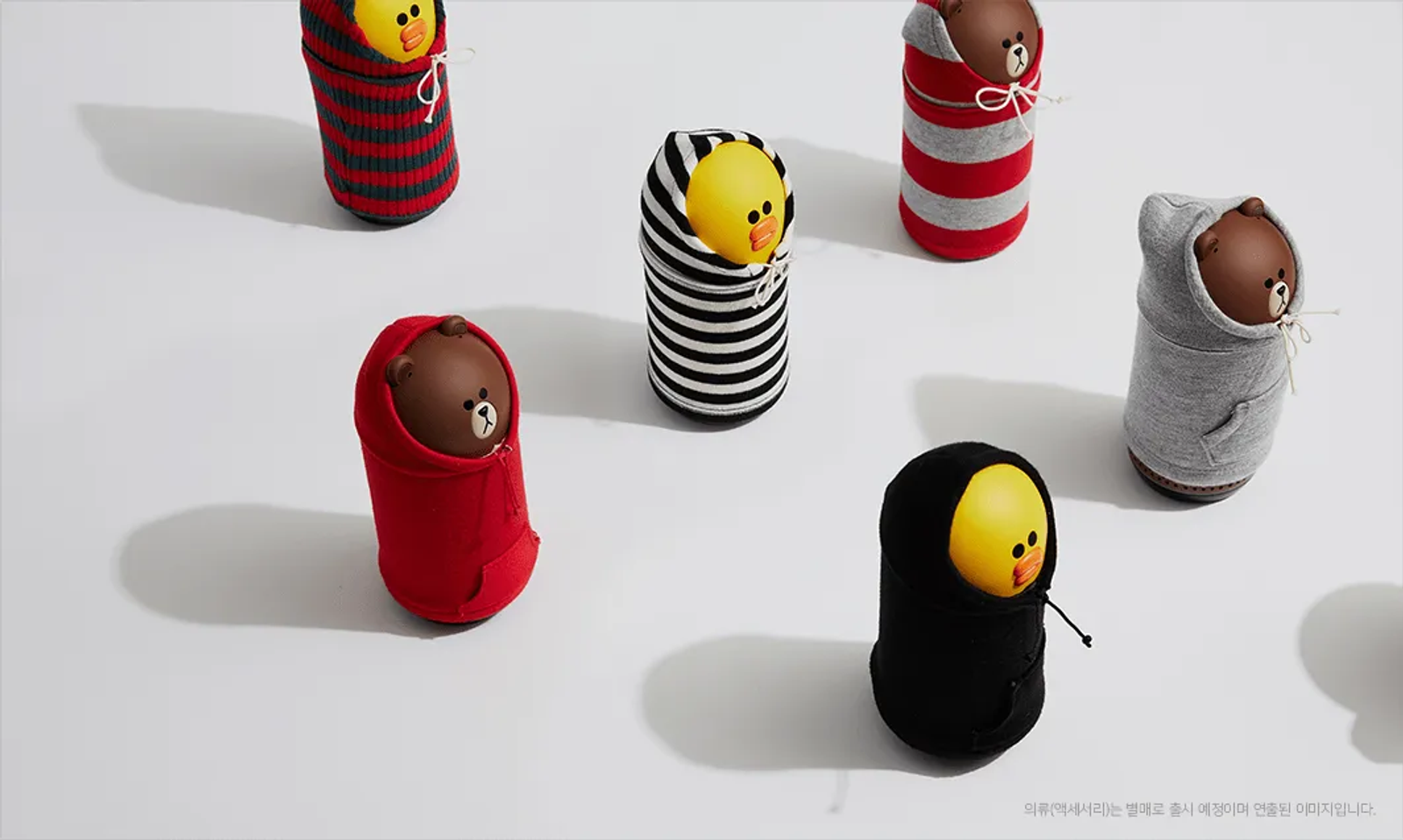
The Clova speaker range falls into three broad families. The first is the standard circular speaker simply called Clova. The second is Clova Friends, a line of character-themed devices modelled on popular cartoon figures including Sally, Pinocchio, Jessica, and Crayon Shin-chan. The third is Clova Clock, a wearable clock-style speaker launched in 2020 that doubles as a remote control and wireless hotspot; a follow-on series, the Clova Clock+, added mobile-carrier integration.
The current portable model retails at around 208,000 won (roughly $155). It is battery-powered for portability and uses a 360-degree omnidirectional speaker. Naver's own translation engine, Papago, is built in, offering multilingual translation on demand. The device also carries educational content aimed at children, including Korean nursery rhymes, storybooks, and English-speaking practice.
Users may choose from several wake words — "Clova", "Sally", "Pinocchio", "Jessica", or "Shin-chan" — with "Hey Clova" added in a subsequent update and now the default recommendation. The platform supports Google Calendar synchronisation, scheduling, alarms, and memos, as well as IoT device scheduling and simultaneous control. A customisable voice-command feature lets users trigger multiple actions — adjusting lights, playing music, raising blinds — with a single phrase.
Strengths and Limitations
Clova's clearest advantage lies in its localisation. Papago-powered translation, deep integration with Naver's search engine, and Korea-specific educational content represent a level of domestic fit that foreign AI speakers struggle to replicate. The variety of form factors — clock-style, character-themed, portable — also gives consumers more choice than most rivals offer.
The weaknesses, however, are equally apparent. The Clova app carries a rating of just 2.6 out of 5 on South Korea's app store, based on around 1,000 reviews. Long-standing usability complaints — such as volume gradually dropping after a Bluetooth connection is established — remain unresolved. Most tellingly, at a moment when platforms such as Samsung Galaxy AI and LG ThinQ On are pushing conversational generative AI to the fore, Clova appears to have made relatively little progress beyond its original voice-assistant format.
Verdict
Clova's place in South Korean technology history is secure: it helped build the country's AI speaker market from scratch, and its integration with Naver's search and translation services remains genuinely useful. But as competitors accelerate into the generative-AI era, the platform's momentum looks stalled. For a pioneer, that is an uncomfortable position — and one that will require more than incremental updates to reverse.
★★★☆☆ (3.0/5.0)
Summary *"It got off to a fast start — and then largely stopped moving."*