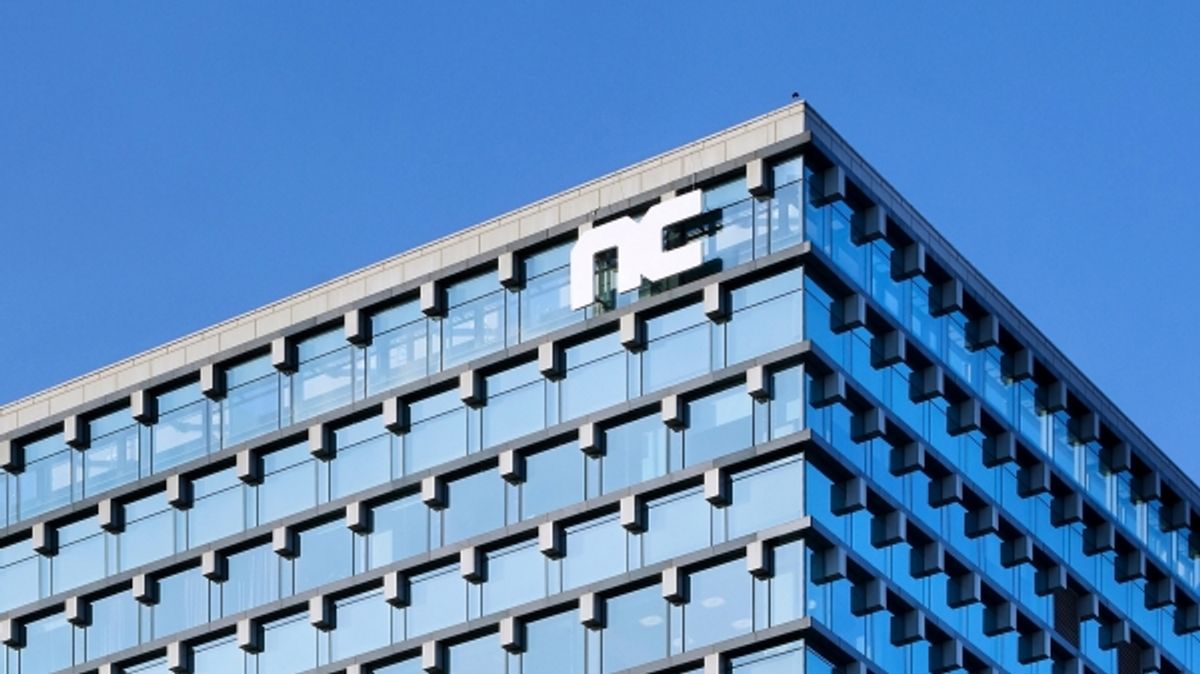
NCSoft will showcase three new titles at Gamescom 2026, to be held in Cologne, Germany, this August, marking the South Korean developer's most concerted push for a global comeback. Led by its flagship intellectual property Aion 2, the move signals more than a routine product announcement: it is a public declaration that the company intends to overhaul a business model that has struggled for several years.
Why Gamescom, and why now?
Gamescom attracts more than 300,000 visitors annually and draws over 1,000 companies from around the world, making it the largest gaming trade fair on the planet. It is highly unusual for a Korean games company to unveil multiple new titles simultaneously on this stage — a choice that itself signals an unambiguous commitment to targeting Western markets directly. NCSoft's strategic rationale is straightforward: it needs a foothold in North America and Europe. For years the company has been criticised for over-reliance on South Korea and South-East Asia, never having successfully broken out of those regional boundaries.
The weight on Aion 2's shoulders
The centrepiece of NCSoft's Gamescom appearance is Aion 2. The original Aion, released in 2009, was a massively multiplayer online role-playing game (MMORPG) that once drew hundreds of thousands of concurrent players and defined the company's golden era. Crucially, it built a meaningful following in Europe — which makes a Gamescom reveal for the sequel a shrewdly calculated play, designed to stoke nostalgia among lapsed players while attracting a new generation of users.
Yet expectations bring pressure in equal measure. The global MMORPG market has become fiercely competitive: Final Fantasy XIV continues to thrive, World of Warcraft has been revitalised, and Lost Ark has made significant inroads in Western markets. Industry analysts argue that Aion 2's fate will hinge on whether it can honour the spirit of the original while mastering the conventions of modern game design. Sentiment alone will not be enough.
A portfolio strategy, not a single bet
Equally noteworthy is NCSoft's decision to present three titles rather than one. This reflects a deliberate effort to reduce dependence on any single genre or platform and to build a diversified portfolio — an area where the company has long been vulnerable. For much of its history, NCSoft was heavily reliant on its Lineage franchise for revenue, leaving it exposed when new releases disappointed. In 2023 and 2024, annual revenues fell sharply as Lineage titles underperformed and successive new launches failed to gain traction. Bringing multiple new games to a global stage at once is the company's most visible attempt yet to escape that structural trap.
A competitive landscape that offers no easy wins
Comparing NCSoft's position with those of its Korean rivals sharpens the picture. Krafton has leveraged the global success of PUBG: Battlegrounds to deepen its presence in India and South-East Asia. Nexon successfully broke into the North American market with The Finals, a shooter crafted with Western tastes in mind. NCSoft, by contrast, has yet to produce a single globally recognised hit — a glaring weakness that some in the industry regard as an existential vulnerability. A few observers go further, describing the three-title Gamescom gambit as something close to a last throw of the dice.
A test with consequences
Optimism is not universal. The games industry has long known that acclaim on a trade-fair floor does not translate automatically into commercial success. Titles that generated genuine buzz at Gamescom have gone on to shut down their online services within months of launch; it is a pattern seen across markets. NCSoft itself experienced this difficulty recently: Throne and Liberty (TL), its action RPG released in North America and Europe, delivered results that fell well short of expectations, offering a sobering reminder of how hard it is to win over Western audiences.
Gamescom 2026 is therefore something far more consequential for NCSoft than a routine trade-fair appearance. It is an opportunity — perhaps the defining one — to demonstrate to the world that a company built on Lineage can reinvent itself as a global publisher with multiple viable franchises. How well Aion 2 and its two companion titles connect with players will shape the trajectory of the company for the next five years.