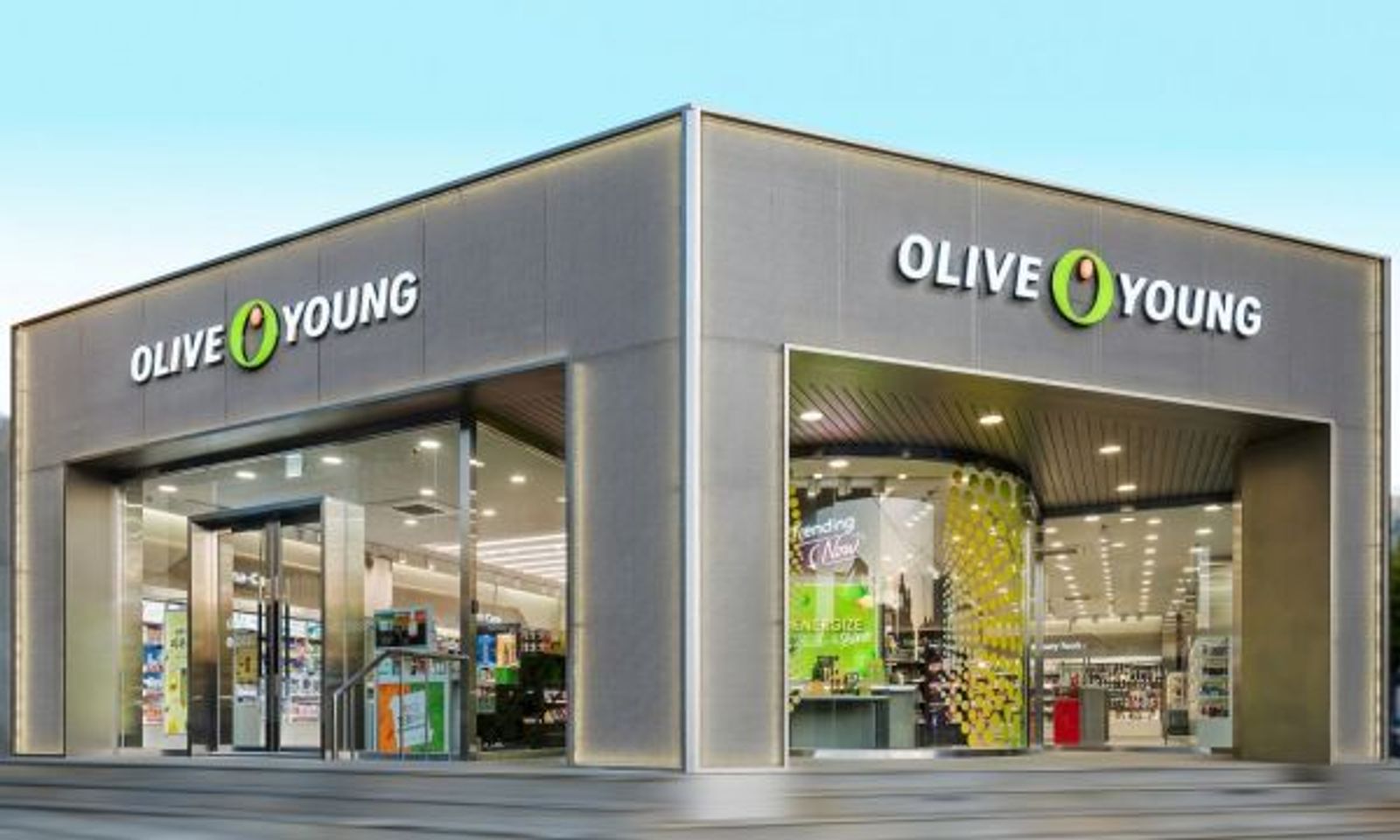
CJ Olive Young, South Korea's dominant health and beauty retailer, had high hopes for its newly launched American online store. Instead, it has opened to a storm of protest from its most loyal domestic customers. Membership points and tier benefits built up over years of shopping on the Korean platform are not recognised by the US store, and the resulting sense of betrayal is spreading rapidly across social media and online communities.
"Benefits that cannot cross borders"
Olive Young began operating its US-facing online store in earnest in the second half of 2025. The strategy was to go beyond simply stocking shelves at Amazon or Costco — the usual route for Korean brands riding the K-beauty wave — and instead draw American consumers directly to its own platform. The problem emerged from an unexpected direction.
Once it became clear that membership points and loyalty tier status earned on the Korean app would not carry over to the US store, disgruntled domestic users began venting on social media. The core grievance was straightforward: customers who had spent consistently every month to maintain Gold or VIP status found those benefits effectively reset to zero the moment they tried to use the global store or shopped from abroad.
A double-edged strategy
Olive Young's official position is that integrating the two membership systems is technically and legally complex, given that the US store operates as a separate legal entity with its own infrastructure. The company points to genuine obstacles: differing data-privacy regulations across jurisdictions, the need for separate payment and currency systems, and divergent local tax requirements — all of which make a unified membership programme difficult to implement.
Consumers, however, have little patience for corporate structural explanations. Industry specialists are sympathetic up to a point. "Membership continuity is a recurring headache for Korean platform companies attempting to expand globally," one noted, adding: "But if loyal customers were not adequately warned before launch, it is hard to escape the criticism that they were treated with a basic lack of respect."
Lessons from abroad — and at home
The international record on such missteps is instructive. ZOZOTOWN, the Japanese fashion platform, entered the American market without a coherent localisation strategy or any meaningful link to its existing customer base, and withdrew after just three years. Starbucks took the opposite approach, spending hundreds of millions of dollars to integrate its rewards programme into a single global app — a costly upfront investment that paid off in customer retention and long-term brand loyalty.
Closer to home, both Naver and Kakao — South Korea's leading internet companies — experienced early user attrition when they launched international services, owing to confusion over how their points and membership policies would apply. The question now is whether Olive Young absorbed those lessons before pressing ahead.
Growing pains of a booming industry
Olive Young's US expansion is part of a broader surge in K-beauty. According to the Korea Health Industry Development Institute, South Korea's cosmetics exports reached a record $8.5 billion in 2023, with the United States emerging as the second-largest export market after China. Olive Young's own global online store reportedly tripled its transaction volume between 2022 and 2024.
The headline growth figures are impressive, but there is a growing concern that the pace of expansion is outrunning the quality of the underlying service. "The competitive edge of a global store ultimately depends on how quickly you can turn local shoppers into loyal fans," one industry insider warned. "If you simultaneously alienate your existing domestic fan base, the backlash could damage the entire brand."
Trust has a price
The friction surrounding Olive Young's US launch is more than a technical glitch; it has the character of growing pains that any platform faces when making the leap to global scale. But the line between growing pains and a management failure is drawn by how swiftly and sincerely a company responds.
Analysts recommend that Olive Young move on two fronts: in the short term, introduce a transition benefit or points-compensation scheme for existing Korean members who use the US store; over the medium to long term, publish a formal roadmap towards a unified global membership system. Consumer trust, once shaken, is an intangible asset that costs several times more to rebuild than to maintain.
As K-beauty's global expansion becomes bound up with South Korea's broader national branding ambitions, this episode is a timely reminder that Korean platform companies must invest as much in designing trust as they do in chasing growth.