Introduction
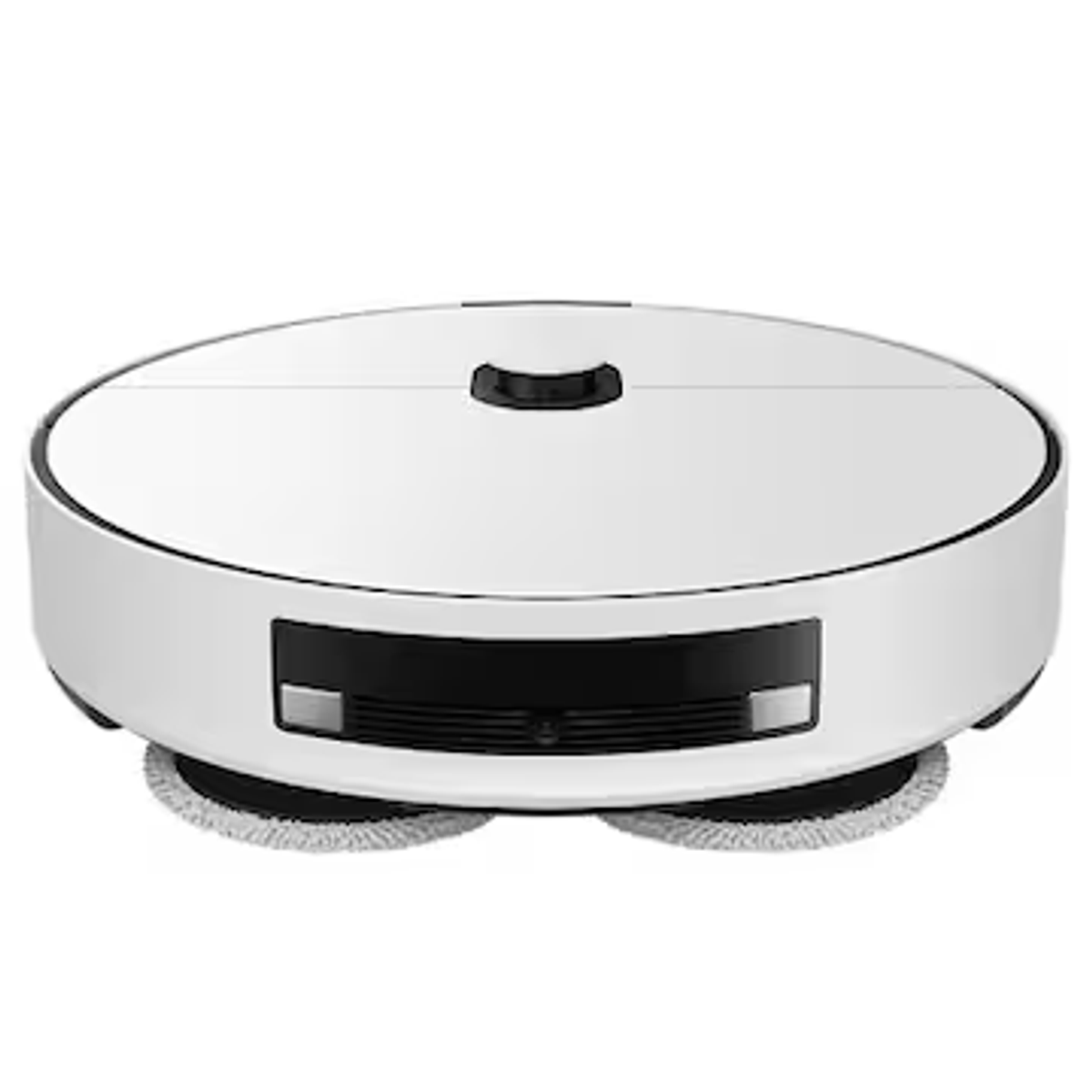
Samsung Electronics launched the 2026 edition of its Bespoke AI Steam robot vacuum on 11th February, then broadened the range on 11th June by adding a standard-grade model priced below the existing Ultra and Plus variants. The move extends the line-up in a deliberate direction: preserve the headline features, reduce the financial barrier, widen the potential customer base. Kim Yong-hoon, a senior executive overseeing Samsung's South Korean domestic sales, framed the launch pointedly: "We will lead the popularisation of Korean robot vacuums with competitive pricing and performance."
Specifications
The standard model (VR70F00SGG) carries a launch price of 1,410,000 won (approximately $1,030). Compared with the Bespoke AI Steam Ultra, it drops certain premium additions — notably an AI liquid-detection sensor and UV-LED sterilisation for the dust bag — but retains the vast majority of core functionality.
The standout feature remains the Steam Clean Station. Introduced with the April 2024 model as a domestic first, the station uses high-temperature washing, steam sterilisation, and hot-air drying to keep the mop pad hygienic; it has since become the defining characteristic of the entire series. The vacuum also includes Easy-Pass Wheels capable of clearing thresholds up to 45mm high, and a Pop-Out Combo mechanism that extends both the brush and mop pad to clean flush against walls and skirting boards. The docking station handles everything automatically: dust emptying, mop washing (with warm water), drying (with warm air), mop attachment and detachment, 100°C steam sterilisation of the mop, automatic water replenishment, and charging — all without user intervention. A single charge delivers up to three hours and forty minutes of runtime.
AI object recognition has also been upgraded. The number of identifiable categories has grown from 22 to 37, adding 15 new object types — smartphone cables, door frames, mats, rugs, power strips, and furniture legs, among others — to existing entries such as pet waste, electrical cords, and cups. The caveat, as Samsung notes, is that recognition accuracy can be affected by floor colour, surface patterns, and ambient lighting conditions; pet recognition is limited to dogs and cats.
Strengths and Limitations
The machine's core appeal is feature density relative to price. By retaining the essential capabilities of the upper-tier models — steam sterilisation, hot-air drying — while shedding only secondary additions, Samsung has taken a sensible approach to making the category more accessible. Market reception appears strong: the series is reported to have surpassed monthly sales of 20,000 units.
The limitations are real, however. The absence of a liquid-detection sensor means the vacuum cannot identify spills on the floor, raising the risk that it will spread rather than clean a liquid mess. The lack of UV-LED dust-bag sterilisation is a modest but genuine shortcoming for hygiene-conscious buyers. The net result is a product that is almost entirely complete — almost being the operative word. Consumers who want every capability on offer will still need the Ultra.
Overall Assessment
The Bespoke AI Steam standard model is squarely aimed at lowering the entry threshold for the robot-vacuum category. The strategy is clear: carry over the features that define the experience — steam sterilisation, automatic water supply — while bringing in price-sensitive buyers who might otherwise hesitate. Yet the removal of liquid detection and dust-bag sterilisation, both directly tied to hygiene performance, marks an unmistakable ceiling. This is a condensed premium product, and it feels like one.
★★★★☆ (3.5/5.0)
Verdict "Most of the premium survives — but so does just enough of its absence to remind you."