Introduction
Samsung SmartThings is Samsung Electronics' integrated smart-home platform. Where LG's ThinQ ON, reviewed previously, leads with a single dedicated speaker-hub, SmartThings takes a dual approach: selling standalone hub devices whilst simultaneously building hub functionality directly into existing appliances such as televisions and refrigerators. The fundamental difference from rival AI home hubs is this — if you already own Samsung appliances, there is a good chance you are already part of a smart-home ecosystem without realising it.
Specifications
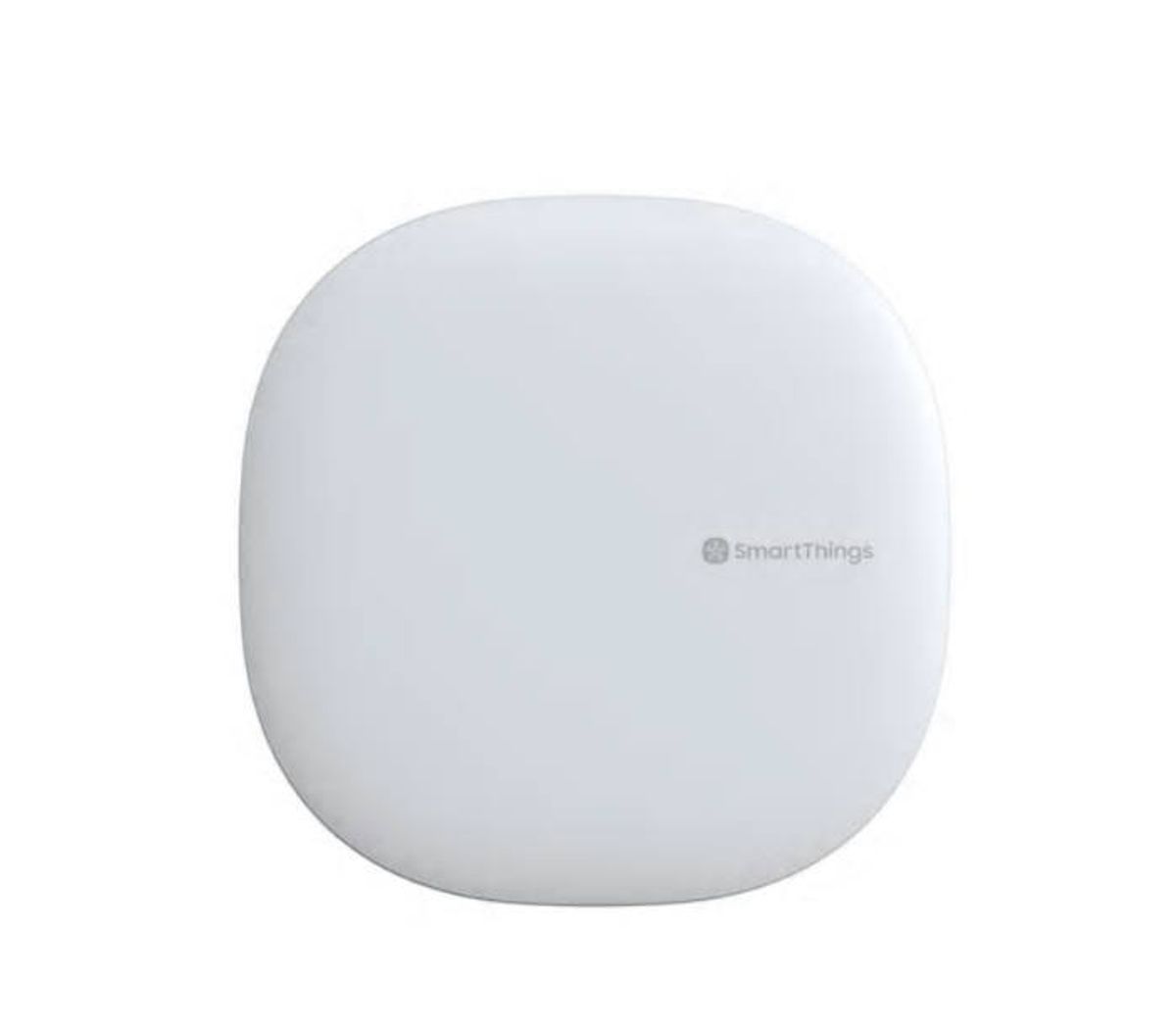
The flagship standalone device is the SmartThings Station, priced at 65,000 won (roughly $47). Third-party compatible hubs also exist, such as the ThingsOne V4, available for around 121,000 won ($88). These hubs connect smart-home devices using Matter (over Thread/Wi-Fi) and Zigbee — the latter requiring WWST (Works with SmartThings) certification.
The more significant detail is that Samsung televisions released from 2022 onwards (Q60 series and above) come with a SmartThings hub built in, supporting Matter, Thread, and Zigbee. In other words, anyone who has bought a mid-range or premium Samsung TV in the past few years already owns a functioning smart-home hub. TVs launched in 2024 can also be paired with a Galaxy Watch 4 or later, enabling watch-based control of TV functions — though both devices must be signed into the same Samsung account.
On the software side, the platform offers an AI-powered home summary that surfaces relevant information and suggests actions proactively, automated routine recommendations based on household device usage, and the ability to use a Galaxy smartphone as a universal remote for nearby appliances. Users can also monitor appliance status, energy consumption, temperature, and air quality remotely. The "AI Vision Inside" feature on compatible refrigerators can identify 33 categories of fresh produce and food items as of April 2024, though it cannot yet recognise items stored in door compartments or the freezer.
Strengths and Limitations
The platform's chief strength is accessibility. The fact that a television or refrigerator already in the home can double as a hub meaningfully lowers the barrier to entry compared with competitors that require a dedicated device. Broad support for industry-standard protocols — Matter, Thread, and Zigbee — alongside tight integration with Galaxy smartphones adds further appeal.
There are, however, notable caveats. Many AI features require a Samsung account, and the watch-TV integration works only with specific hardware combinations: a Galaxy Watch 4 or newer paired with a 2024 Samsung television. Users with older devices may find that several advertised features are simply out of reach. AI Vision Inside remains limited in the range of items it can recognise, giving it the feel of a work in progress rather than a polished product. And for those wishing to incorporate non-Samsung devices, the practical path still runs through sourcing third-party hardware that supports Matter or Zigbee — an extra step that undermines the platform's otherwise frictionless pitch.
Verdict
Samsung SmartThings distinguishes itself by attacking the smart-home entry barrier at its root: rather than asking consumers to buy yet another device, it turns hardware they already own into the hub itself. For existing Samsung appliance owners, that is a compelling proposition that requires little additional investment. The AI features and cross-device compatibility conditions still warrant careful scrutiny before assuming everything will work seamlessly. This platform is best suited to users who want to extend and connect a Samsung ecosystem they have already built — rather than those starting from scratch or mixing brands extensively.
★★★★☆ (3.5/5.0)