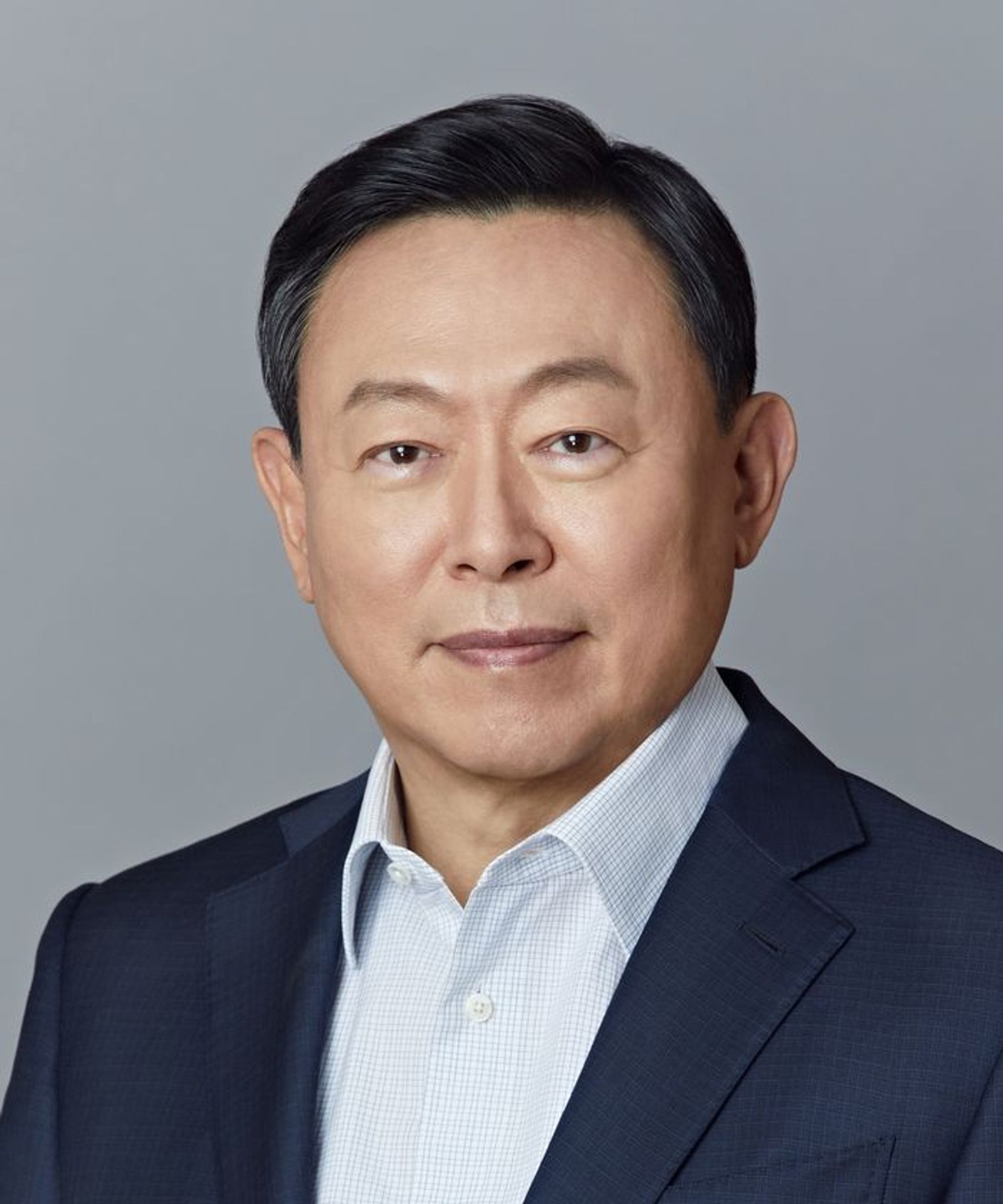
Shin Dong-bin, chairman of Lotte Group, has convened the conglomerate's second-half Value Creation Meeting (VCM), gathering the chief executives of its major subsidiaries in one room. The VCM is a distinctive feature of Lotte's corporate governance: a high-stakes forum at which the chairman personally receives performance reports from subsidiary CEOs, interrogates their strategies, and sets the direction for the months ahead. Industry observers regard this particular gathering not as a routine event but as a critical moment in Lotte's effort to navigate a broad-based corporate crisis.
Lotte, one of South Korea's largest chaebol — family-controlled conglomerates — with annual revenues exceeding 100 trillion won, has faced mounting pressure across its core businesses in recent years. Lotte Shopping has been restructuring its store network as the offline retail market shrinks and competition from e-commerce intensifies. Lotte Chemical has seen its profitability deteriorate sharply, squeezed by a global downturn in the petrochemicals industry and rising input costs. Lotte Engineering and Construction has been hit hard by risks in project finance and a cooling property market. Credit rating agencies have responded by revising down the outlook for several subsidiaries, further chilling sentiment towards the group.
The VCM has served as a vehicle through which Mr Shin signals to the market that he is personally taking the helm in a crisis. Held twice a year — once in each half — the forum requires subsidiary CEOs to present their business plans and results directly to the chairman. It is more than a reporting exercise: Mr Shin has been known to redirect strategy on the spot and to signal impending management changes. For the assembled presidents, it functions, in effect, as a performance review with immediate consequences.
"Within Lotte, the VCM is known as a 'live management meeting'," said one industry insider. "Because the chairman scrutinises key performance indicators for each subsidiary in detail, this gathering is likely to serve as the opening signal for personnel reshuffles and organisational restructuring in the second half of the year."
Three main themes are understood to have dominated the agenda. The first is portfolio restructuring to restore profitability — notably, Lotte Chemical's pivot towards higher-value specialty materials and an accelerated digital transformation at Lotte Shopping. The second is financial health, with discussions reportedly covering asset disposals at the group level and the trimming of non-core businesses to bring the debt ratio under control. The third is a recalibration of overseas operations, including strategies to expand retail and food businesses in South-East Asian markets such as Indonesia and Vietnam.
Compared with analogous practices at other large organisations, Lotte's VCM shares some characteristics with Toyota's "Obeya" (literally "big room") method, in which senior management converge in a single space for intensive, decision-oriented discussion. Samsung Group's presidential council and SK Group's CEO seminar serve similar functions as strategic co-ordination bodies. What sets Lotte's model apart, however, is the degree to which the chairman personally presides, lending the process a distinctly top-down character.
Not everyone is convinced the format is well suited to the challenges at hand. Some academics warn that a biannual performance review cycle risks reinforcing short-term thinking at the expense of longer-term investment and innovation. "Reviewing strategy every six months can create incentives to defend near-term results rather than pursue structural change," cautioned one business school professor. For Lotte Chemical in particular, a genuine turnaround requires a transformation measured in years rather than quarters, creating a potential tension between the urgency the VCM implies and the patience the business actually needs.
Markets are watching closely nonetheless. With annual revenues above 100 trillion won and a domestic workforce numbering in the hundreds of thousands, any shift in Lotte's group strategy carries wide industrial consequences.
The central question now is whether Mr Shin can translate the momentum of the VCM into durable structural reform across the group — rather than mere crisis containment. The executive reshuffles and organisational changes expected later in the second half will be the clearest indication of how seriously the conclusions of this meeting will be acted upon.