Introduction
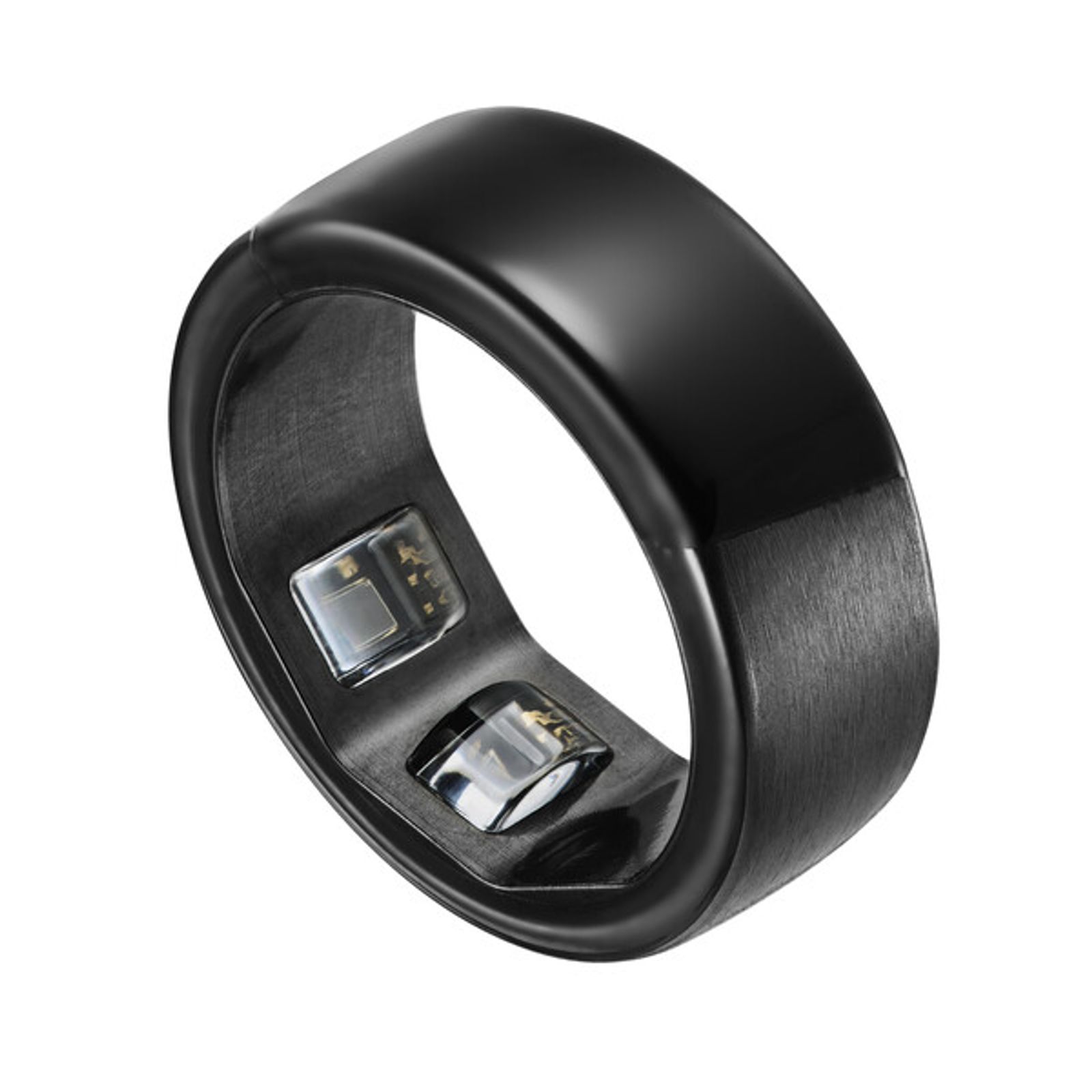
On 25th September last year, Skylabs — a South Korean healthcare start-up — officially launched the CART BP, a ring-shaped blood-pressure monitor for personal use. Worn on the finger, the device measures blood pressure continuously throughout daily life, including during sleep, and has received medical-device certification from South Korea's Ministry of Food and Drug Safety. Skylabs claims to be the world's first company to develop a cuff-free ring-type blood-pressure monitor, and its ambition is to produce clinically reliable biometric data using proprietary hardware combined with artificial-intelligence algorithms.
Specifications
The core proposition of the CART BP is the translation of hospital-grade technology into a consumer product. It is derived from the CART BP Pro, a medical-grade device already in clinical use at South Korean hospitals, where it is covered by the national health-insurance scheme. The CART BP Pro is a 24-hour ambulatory blood-pressure monitor that analyses photoplethysmography (PPG) signals — optical measurements of blood-volume changes — collected from the finger, using AI to derive blood-pressure readings. As of June this year, it has been adopted by all five of South Korea's premier university hospitals, 38 of the country's 47 tertiary-care hospitals, and approximately 2,000 clinics and hospitals nationwide. In the year following its launch, the number of 24-hour ambulatory blood-pressure test prescriptions issued domestically rose by 52.7%, with the CART BP Pro capturing a 52.4% share of that market.
The consumer-facing CART BP is designed to exploit that clinical pedigree while targeting a specific shortcoming of conventional home blood-pressure monitors. Cuff-based devices, which measure pressure by squeezing the upper arm, are practically useless during sleep. The CART BP, by contrast, records blood pressure unobtrusively throughout the night, enabling nocturnal readings that are otherwise difficult to obtain at home. It also captures morning blood pressure immediately upon waking, providing a continuous picture of how blood pressure fluctuates over a full 24-hour cycle. Readings are managed through a dedicated companion app called "My Blood Pressure Calendar." The device is available for purchase online.
Strengths and Limitations
The principal strength of the CART BP is precisely what its manufacturer claims: the consumerisation of clinically validated technology. Because the underlying system has already been deployed in thousands of hospitals and has accumulated real-world data, it is relatively free of the accuracy-verification concerns that beset many wearable health devices. The nocturnal measurement capability is of particular medical significance. Under normal circumstances, blood pressure falls by 10–20% at night relative to daytime levels; research suggests that individuals whose blood pressure follows the reverse pattern face a 64% higher risk of developing dementia, making nightly readings a meaningful tool for early preventive care.
There are, however, limitations worth acknowledging. Whether the consumer CART BP delivers the same level of accuracy as the clinical CART BP Pro remains an open question — independent validation data specific to the consumer device would be reassuring. Ring-type wearables also carry inherent measurement risks: variations in finger diameter or the precise positioning of the device on the finger could introduce errors. Patients managing chronic conditions who require careful blood-pressure control would be unwise to rely solely on this device when making consequential medical decisions, such as adjusting medication. It is best used as a supplementary tool alongside regular clinical consultations.
Verdict
The CART BP is a comparatively credible healthcare wearable that brings hospital-tested technology into the home. Its ability to track blood pressure around the clock — and in particular to capture nocturnal and early-morning readings that conventional devices routinely miss — represents a genuine point of differentiation. Skylabs is building on this platform, expanding its product line to include the CART O2 (a blood-oxygen monitor) and the CART Vital (an integrated vital-signs monitor), making it a company worth watching.
★★★★☆ (4.0 / 5.0)
In a word: "Hospital-grade technology, now on your finger — and it works while you sleep."