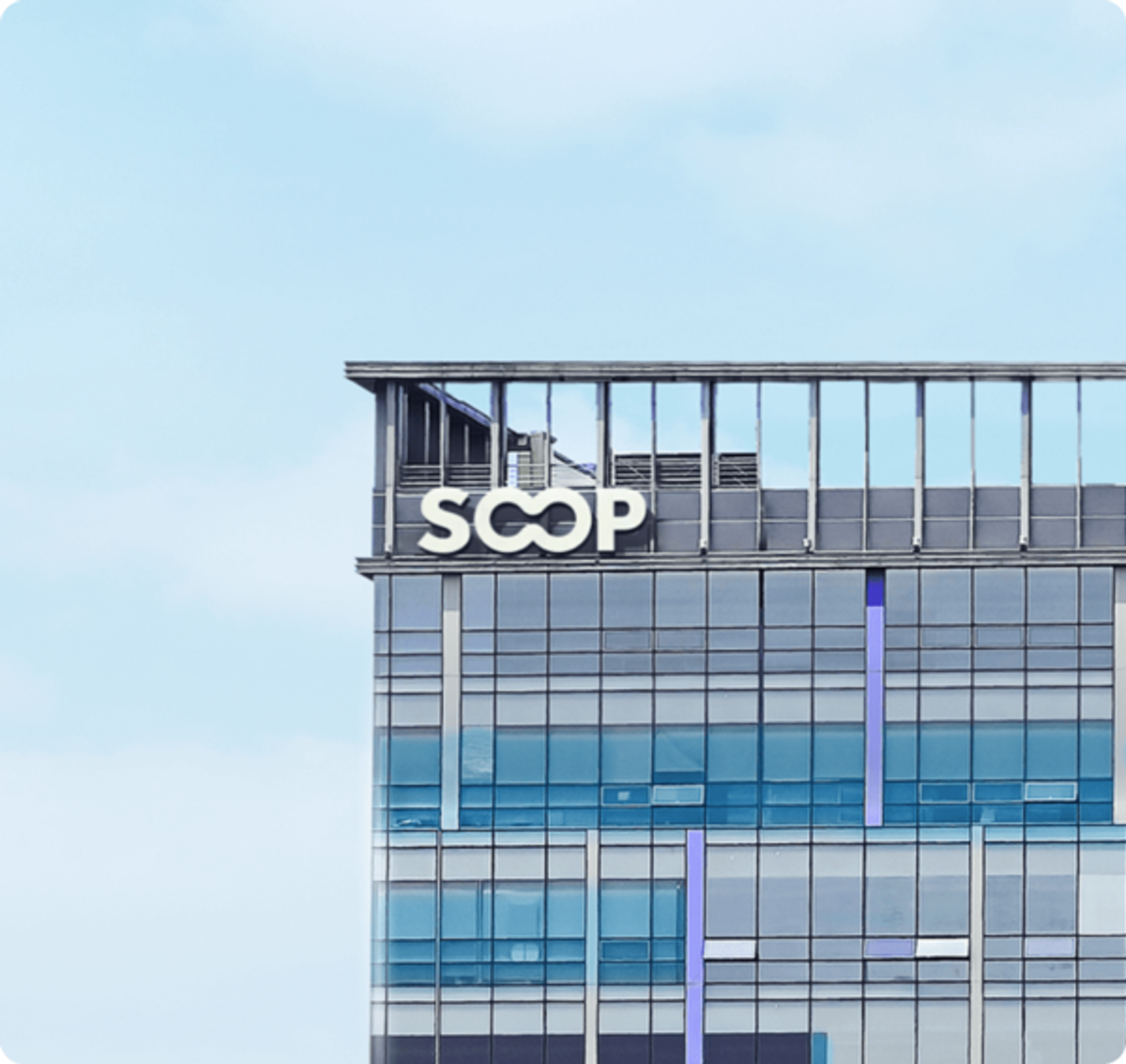
SOOP, formerly known as AfreecaTV and South Korea's dominant live-streaming platform, has received a sobering set of second-quarter results for 2026: operating profit plunged 57.9% year on year. The scale of the decline has fuelled fears that this is no temporary stumble but the beginning of a structural rupture across the platform's entire ecosystem. Management has responded by announcing a sweeping overhaul for the second half of the year. The market is watching with considerable scepticism.
The anatomy of a profit collapse
More than half of SOOP's operating profit evaporated in the second quarter. The causes are multiple and interlocking: a shrinking advertising market, user attrition, and a weakening creator ecosystem. Transactions involving "Star Balloons" — the platform's virtual-currency tipping system and a cornerstone of its revenue model — have continued to decline, while falling advertising rates have compounded the damage. South Korea's online video and live-streaming sector has broadly entered a phase of negative advertising revenue growth since 2024, suggesting industry-wide headwinds rather than a company-specific failing. Even so, SOOP's rate of decline is well above the sector average.
The Twitch windfall that was always temporary
Understanding SOOP's predicament requires revisiting a pivotal moment in early 2024, when Twitch withdrew from the South Korean market. The exit prompted a mass migration of prominent streamers to SOOP and Naver's rival platform, Chzzk, delivering SOOP a sharp but transient boost in traffic and tipping revenues. That tailwind has now fully dissipated, and the second-quarter results are bearing the brunt of an unfavourable base effect. Analysts argue that SOOP failed to make the structural investments needed to permanently anchor the creators and viewers it inherited from Twitch's collapse. "The inflow was treated as a windfall rather than an opportunity to rebuild the platform," one industry observer noted.
A structural threat from Chzzk and beyond
The competitive landscape has shifted decisively against SOOP. Chzzk, Naver's streaming service launched officially in 2024, has pursued an aggressive strategy of creator acquisition and infrastructure investment, rapidly expanding its market share. YouTube Live, meanwhile, is capturing younger viewers — those aged between 10 and 20 — by blending short-form content with live streaming, eroding SOOP's core audience demographic. Media strategists argue that the consolidation of a multi-platform streaming environment poses a fundamental challenge to SOOP's historically closed, self-contained business model. "The monopolistic ecosystem SOOP once maintained is no longer tenable," said one analyst.
The reinvention plan: what is actually changing?
SOOP has outlined three strategic priorities for the second half of the year: a comprehensive redesign of the platform's user interface and experience, the introduction of new monetisation models, and an accelerated push into overseas markets. Particular attention is being paid to South-East Asia, with enhanced services targeting Thailand and Indonesia, where SOOP already operates under its "SOOP Global" brand alongside local creator development programmes. The company has also announced plans to upgrade its AI-driven content recommendation algorithms and introduce a short-form video clip service, positioning itself more directly against YouTube.
Lessons from platforms that survived
Global precedents offer instructive, if cautionary, lessons. Japan's Niconico, once battered by YouTube and Twitch in the mid-2010s, staged a recovery by doubling down on its enhanced tipping system and cultivating the Virtual YouTuber (VTuber) ecosystem — finding a defensible niche rather than competing on every front. In the United States, Kick emerged as a credible challenger by offering creators a substantially higher revenue share than its rivals, attracting prominent streamers through financial incentive alone. The common thread is a fundamental redesign of the ecosystem with creator welfare placed first. How genuinely SOOP applies this lesson will determine whether its turnaround is real or cosmetic.
Creator exodus: the platform's Achilles heel
No streaming platform can survive the departure of its content creators. Industry insiders report a growing number of mid-tier SOOP streamers either migrating entirely to YouTube or splitting their activity across multiple platforms. Discontent with revenue-sharing arrangements and the platform's algorithm are the most frequently cited grievances. If SOOP's newly announced creator partnership programme fails to translate into tangible improvements in earnings and conditions, critics warn, the broader platform overhaul risks being little more than a rebranding exercise.
Investors unconvinced
A near-58% drop in operating profit has rattled financial markets. Securities analysts are divided on the prospects for a second-half recovery. The cautious camp argues that any meaningful return from global expansion and platform restructuring will require at least two to three quarters to materialise. More optimistic voices counter that SOOP retains a loyal core fanbase and an embedded tipping culture that competitors have yet to replicate, suggesting the platform may have reached its trough and can recover from here.
Outlook: rebuilding the ecosystem is the only real solution
SOOP's crisis is more than a single company's earnings problem. It signals that South Korea's solo-creator streaming sector has passed through its growth phase and entered a period of structural rationalisation. The success or failure of the second-half revival will hinge on how swiftly the platform can restore a virtuous cycle connecting creators, viewers, and advertisers. Experts are broadly agreed that technical redesign must be preceded by a fundamental restructuring of revenue flows — one that gives every participant in the ecosystem a tangible stake in the platform's success. The window for action is narrow. The second half of 2026 may prove to be SOOP's last genuine opportunity to turn things around.