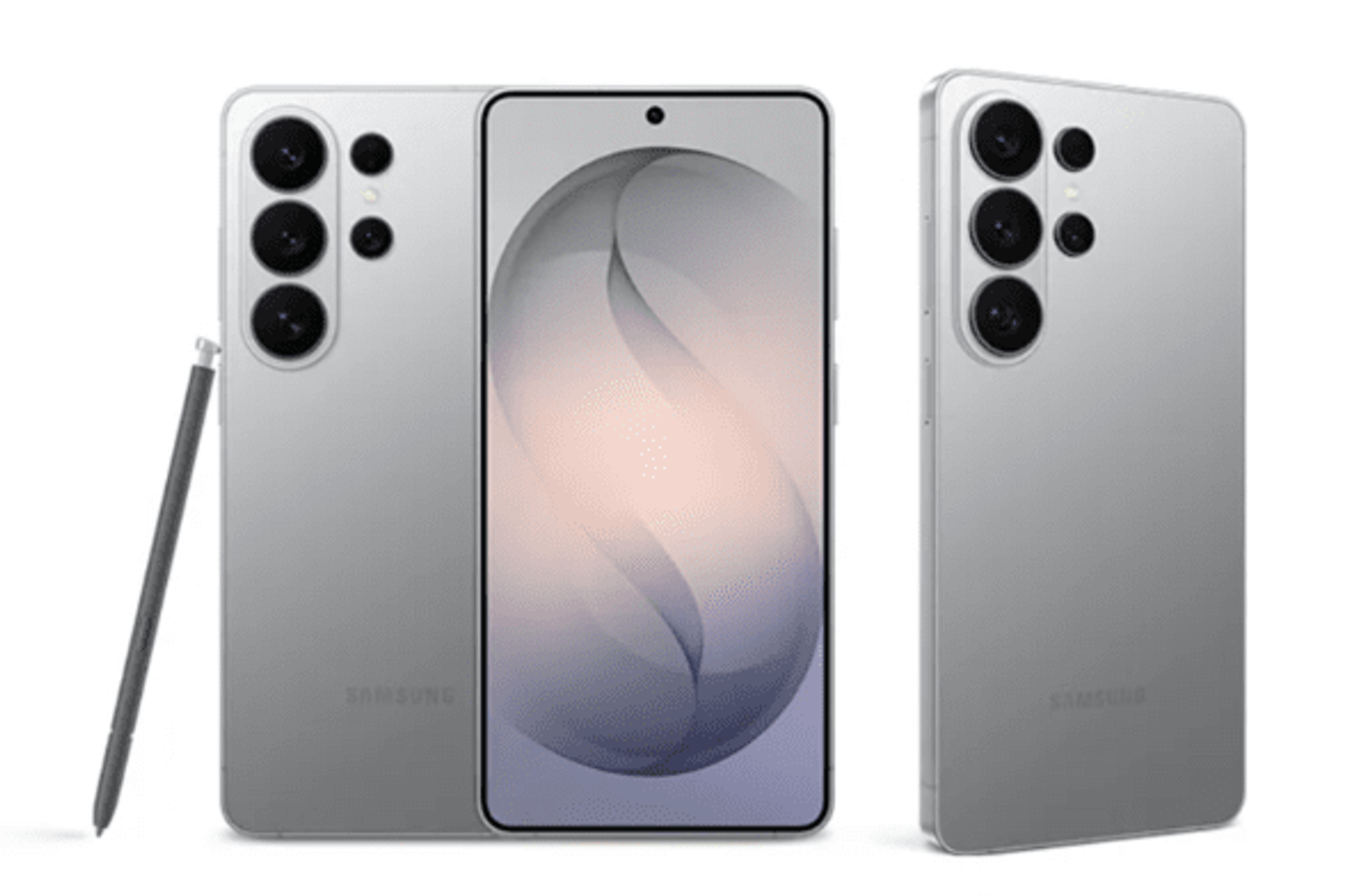
A wave of smartphone price increases is gathering force. As manufacturers race to embed artificial intelligence into their handsets, demand for high-capacity, high-performance memory chips has surged, driving up component costs that are now set to be passed on to consumers. Samsung's next-generation foldable smartphone, the Galaxy Z Fold8, is shaping up as the first, and most closely watched, test case.
AI ignites a memory price surge
The root cause is the explosive growth in demand for AI semiconductors. As generative AI services proliferate worldwide, demand for high-bandwidth memory (HBM) — the specialised chips that power data-centre AI — has overwhelmed supply. According to TrendForce, a market research firm, HBM prices are estimated to have risen by an average of 30–40% or more between 2024 and 2025–26. The knock-on effect is equally troubling: as manufacturers shift production lines towards HBM, capacity for the LPDDR5X mobile DRAM and UFS 4.0 NAND flash chips used in smartphones has shrunk in relative terms.
On-device AI is compounding the pressure from the demand side as well. Running large language models (LLMs) locally on a handset — as Samsung's Galaxy AI and Apple Intelligence both aim to do — requires a minimum of 12GB of DRAM, and in some cases 16GB or more, according to the industry consensus. Component demand and price pressures are thus rising in tandem.
How high could the Galaxy Z Fold8 go?
Industry attention is fixed on the Galaxy Z Fold8, which Samsung is expected to unveil in the second half of 2026. The Galaxy Z Fold7 launched in South Korea at around 2.2m won (roughly $1,600). If rising memory costs coincide with beefed-up on-device AI specifications, analysts believe the Fold8 could carry a price tag of between 2.3m and 2.5m won — and some premium configurations, they warn, could breach 2.6m won for the first time.
Samsung has made no official comment, but is understood to be wrestling internally with how to balance the burden of higher costs against competitive pressures. Chinese rivals — Huawei, Oppo, and Vivo — have been pricing their foldables aggressively, meaning Samsung risks ceding global market share if it raises prices too steeply.
Apple is not immune — nor is the iPhone 18
The pricing squeeze is not Samsung's problem alone. Apple is reported to be planning a significant expansion of on-device AI capabilities in its iPhone 18 series, and is said to be considering increasing DRAM capacity relative to its predecessor. Major outlets including the Wall Street Journal have suggested that the base price of the iPhone 18 Pro series could rise modestly. Apple has form here: it partially passed on higher memory costs to consumers when it launched the iPhone 15 in 2023.
Google's Pixel 9 series has already set a precedent, arriving at prices 10–15% higher than its predecessor, in part to fund enhanced AI features. If all the major global brands raise prices in lockstep, the cumulative burden on consumers could be considerable.
Consumer fatigue versus appetite for AI
According to IDC, another market research firm, the global average selling price (ASP) for smartphones has risen steadily since 2023, and is forecast to exceed $450 for the first time in 2026. In the premium segment — devices priced above $800 — the market share is approaching 30% of all handsets sold.
The risk is consumer fatigue. A domestic South Korean survey found that more than 60% of consumers reacted negatively to the prospect of paying more for AI-enhanced features. More tellingly, only around 30% of respondents currently regard AI functionality as essential — suggesting that higher prices could dampen the upgrade cycle and create a headwind for demand.
Some experts take a more sanguine view. As AI smartphones demonstrably improve workplace productivity, they argue, consumers' willingness to pay will rise accordingly. "Once AI features move beyond mere convenience and become directly tied to professional productivity, price resistance naturally softens — that is simply how markets work," said one business school professor at Yonsei University in Seoul.
History offers a warning
There is a historical precedent worth heeding. During the NAND flash shortage of 2016–17, major manufacturers including Samsung and LG raised prices on mid-range and budget handsets by 5–15%. The result was a lengthening of consumer replacement cycles — a dynamic that contributed to the first-ever year-on-year decline in global smartphone shipments in 2017–18. Industry insiders are warning that the current AI memory shock could follow a similar path.
An optimistic counter-scenario also exists, however. If foundries such as Taiwan's TSMC expand production capacity, and if SK Hynix and Micron bring next-generation LPDDR6 memory into mass production, supply bottlenecks could ease by around 2027.
Policy implications
Should a price-increase domino effect materialise, a government response in South Korea may become unavoidable. Discussions are likely to surface around adjusting the cap on handset subsidies offered by mobile carriers, or introducing tax incentives to broaden the adoption of AI-capable devices. Over the medium to long term, diversifying the memory chip supply chain and strengthening domestic production capacity are seen as the essential levers for stabilising prices.
Ultimately, the pricing structure of smartphones in the AI era is a multi-layered equation that goes far beyond simple hardware costs, entangling semiconductor supply-chain geography, consumer readiness for AI, and the shifting dynamics of global competition. The launch price of the Samsung Galaxy Z Fold8 will be the first answer written into that equation.