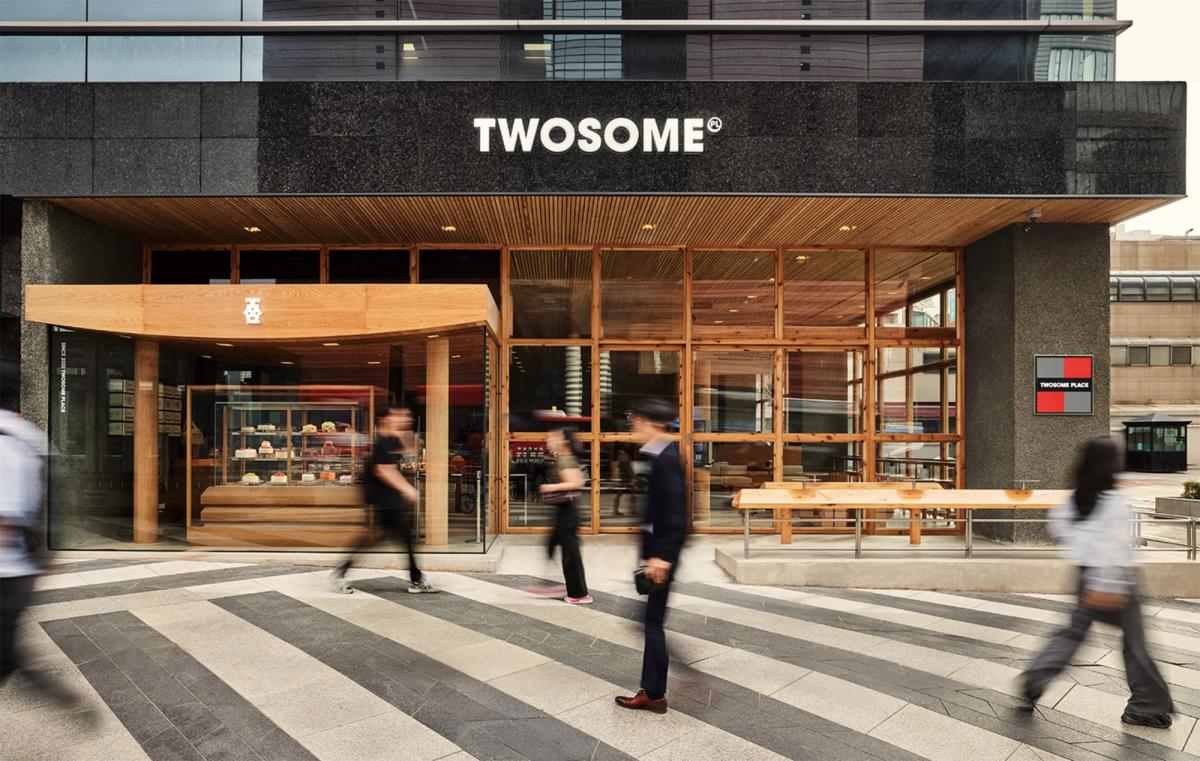
The balance of power in South Korea's coffee franchise market is shifting. Starbucks, long the undisputed sovereign of what Koreans have dubbed their "coffee republic," has ceded the number-one position in payment transactions to Two Some Place for three months running. The industry is reading this not as a mere blip in the rankings, but as evidence of a structural change in consumer preferences and brand allegiance.
The butterfly effect of "Tank Day"
The spark that ignited the reversal was Starbucks's "Tank Day" promotion — a marketing event built around limited-edition tank-shaped merchandise that was expected to generate the same frenzied enthusiasm the chain has long cultivated among its devotees. Instead, the opposite occurred. On the day of the event, queues stretched hundreds of metres outside stores, confusion over purchase limits spiralled into chaos, and consumer frustration boiled over. Online communities were flooded with complaints: "Waited two hours only to be told it was sold out"; "Staff handling was a complete shambles." The backlash translated directly into reputational damage.
Merchandise marketing has been a cornerstone of Starbucks's strategy for retaining loyal customers. But this episode exposed it as a double-edged sword. The higher the expectation surrounding a coveted item, the deeper the disappointment when the in-store execution fails. As one retail industry insider put it: "Merchandise marketing is inseparable from the overall brand experience — when the operational side lets you down, the backlash is far greater than if you hadn't run the campaign at all."
Three months at the top: where does Two Some Place's strength come from?
Two Some Place's rise is not simply a windfall from a competitor's misstep. Over the past several years, the chain has pursued quiet but systematic improvements to its fundamentals. The upgrading of its cake and dessert range, the steady cadence of seasonal limited drinks, and a comparatively stable pricing policy have all been central to its strategy. While Starbucks drew consumer irritation with a series of price increases, Two Some Place positioned itself to capture middle-income consumers by offering both objective value for money and a sense of emotional satisfaction — the Korean concept of *gasimbi*, or perceived quality relative to price.
Analysis of credit and debit card transaction data suggests that growth in Two Some Place's payment volumes has been particularly pronounced among female consumers in their twenties to forties. Analysts point to a broader trend of treating cafés not merely as places to buy a drink, but as destinations for a "dessert experience" — a shift that plays squarely to Two Some Place's strengths. A company spokesperson noted that "our strategy of deepening the synergy between beverages and desserts has simultaneously increased both customer dwell time and average spend per visit."
Starbucks: structural crisis or temporary turbulence?
Industry observers are divided over whether Starbucks's difficulties represent a passing rough patch or the opening chapter of a deeper crisis. Optimists point to the fact that Starbucks still operates the largest store network in South Korea — more than 1,900 outlets — and commands formidable brand equity, with a loyalty rewards programme boasting millions of members. The Tank Day controversy, they argue, is little more than an unfortunate incident.
The pessimists, however, make a compelling counter-case. Starbucks is grappling with a global malaise that is making itself felt in South Korea as well. Since 2024, the company has suffered declining customer visits and weak sales in the United States, prompting chief executive Brian Niccol to pursue sweeping operational reforms. A growing perception among consumers worldwide — that they are paying a premium price without receiving a premium experience — has emerged as a common challenge across markets.
In South Korea, these global headwinds are compounded by a domestic problem: the coffee market has become severely saturated in the post-pandemic era. At the lower end, budget chains such as Mega MGC Coffee and Compose Coffee are rapidly hoovering up price-sensitive consumers with Americanos priced around 1,000 won (roughly 75 US cents). At the premium end, speciality roasters such as Blue Bottle and Fritze are eroding Starbucks's claim to the upmarket positioning it once held almost exclusively. Starbucks finds itself squeezed from both sides — a classic "sandwich" predicament.
Lessons from abroad
Comparable dynamics have played out elsewhere. In Britain, Costa Coffee reclaimed the market leadership position from Starbucks and has maintained it for years, driven by a menu strategy closely attuned to local tastes and a sharper price proposition. In Japan, homegrown chains such as Doutor and Excelsior Coffee have consistently pressed Starbucks, forging a competitive ecosystem in which no single brand dominates absolutely. South Korea now appears to be undergoing a similar transition — away from the era of one brand's unchallenged hegemony and towards a more fragmented, multi-layered competitive order.
The new map is drawn by consumers
The deepest implication of this shift in payment rankings is the growing power of the consumer. The speed with which opinion coalesces on social media, the readiness of customers to abandon a brand after a single poor experience, and the ease with which they switch to a competitor all point to the same conclusion: today's consumers place the quality of an individual experience above the inertia of brand loyalty.
Industry experts predict that competition in the coffee market will increasingly shift from a "war of scale" — who has the most stores, the widest name recognition — to a "war of experience." A professor of business administration at the University of Seoul put it plainly: "The emotional experience that accumulates with each visit has become more decisive in building loyal customers than the number of outlets or brand awareness. For Starbucks to stage a recovery, it needs to return to basics — raising the standard of its merchandise campaigns and overhauling the quality of in-store service."
The battle over a cup of coffee is no longer simply a contest of taste or price. It is a contest for the consumer's time, emotions, and trust. The paradox of Tank Day will be remembered as the episode that laid that truth most starkly bare.