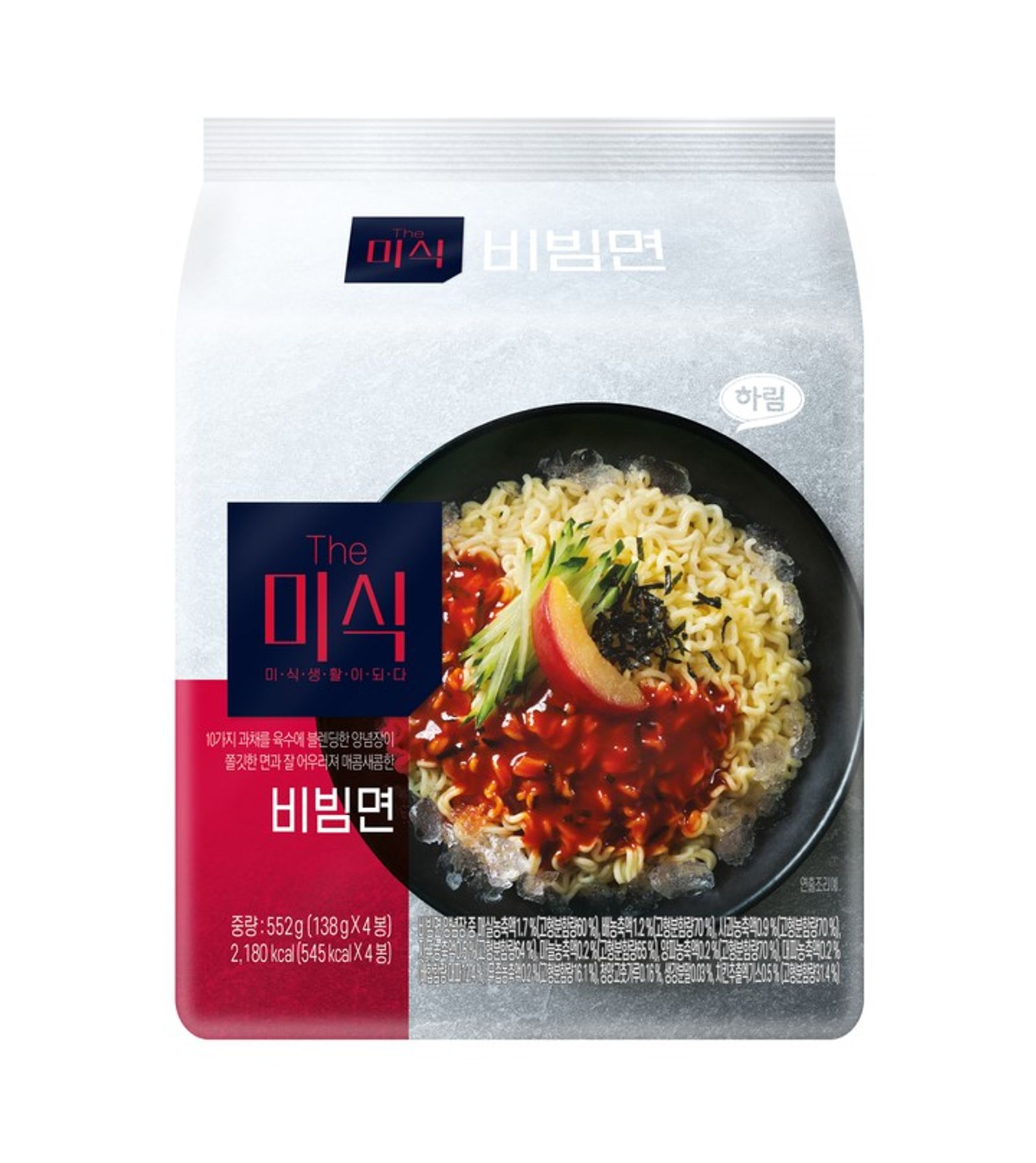
A single packet of instant noodles retails for well over 2,000 won (roughly $1.50). Yet on supermarket shelves across South Korea, the same product sits beneath a half-price sticker. That product belongs to "The Mishine" (더미식), the premium food brand of Harim Industries. After five consecutive years of operating losses and cumulative deficits running into the hundreds of billions of won, the question many analysts are asking is: why does Harim refuse to walk away?
Losses deepen even as revenue grows
When Harim Industries launched The Mishine in October 2021, its ambitions were considerable. The company publicly targeted annual revenues of 1 trillion won, with aspirations to build a mega-brand worth up to 1.5 trillion won. The project was unmistakably a group-level endeavour: Kim Hong-guk, chairman of the Harim conglomerate, spearheaded the venture alongside his eldest daughter Kim Ju-young, an executive director at Harim Holdings.
Five years on, the scorecard bears little resemblance to those aspirations. According to Harim Holdings' audit report, Harim Industries recorded revenue of 109.3 billion won last year—a 36.2% increase on the prior year—yet its operating loss widened from 127.6 billion won to 146.6 billion won over the same period. The net loss for the year reached 169 billion won. The pattern is troubling: the more revenue grows, the larger the losses become. Over the five-year period as a whole, cumulative revenues are estimated to have reached only around 200 billion won, while accumulated losses are believed to have surpassed 400 billion won.
The flagship product, Jangin Ramen, was positioned as a premium offering priced at 2,200 to 2,800 won per packet. Market reception, however, has fallen short of expectations. More recently, the brand has resorted to regular discount events—selling products marked at 2,800 won for 1,400 won through "savings week" promotions and dedicated outlet sections—a far cry from the premium strategy originally envisaged.
So why carry on?
Three explanations stand out.
The first is strategic commitment. Chairman Kim personally identified home meal replacement (HMR) food as the vehicle for reviving Harim Industries, which had been struggling. Rather than staking everything on a single product, the original plan was to build a broad portfolio—instant noodles, ready-cooked rice, dumplings, soups, stews and sauces—to establish a durable position across the premium food market. That kind of diversification strategy is designed for the long term, not a quick payoff, making it structurally difficult to abandon after only a few years of losses.
The second is brand equity already accumulated. Harim has invested heavily in marketing, including engaging Lee Jung-jae—the star of the global Netflix hit *Squid Game*—as a brand ambassador. Four years after launch, The Mishine is now widely recognised by South Korean consumers. Abandoning the brand at this point would render the entire marketing outlay a sunk cost, a prospect that makes withdrawal psychologically and financially painful.
The third is that revenues, whatever their inadequacy, have never actually declined. Annual revenue growth was 112% in the launch year, then 52.9% in 2023, 13.8% in 2024, and 36.4% in 2025—erratic, certainly, but never negative. Some analysts describe the situation as a "planned loss" strategy: accepting red ink in the near term while betting on eventual economies of scale. The flaw in this logic, as critics note, is that it requires sustained revenue growth to hold true. The recent slowdown in that growth is beginning to undermine the very premise on which the strategy rests.
A bet too large to unwind
The Mishine's troubles do not exist in isolation. Harim Industries is simultaneously pursuing a vast urban logistics hub development on a freight terminal site in Yangjae, southern Seoul. Total investment in that project is estimated at 7 trillion won. The company acquired the site for approximately 450 billion won in 2016, and the development has been a cherished group ambition for nearly a decade. With The Mishine's losses compounding alongside the capital demands of the Yangjae project, Harim Holdings has been actively managing its financing—including raising dividend payouts to generate cash at the group level.
The Mishine has thus become far more than a new product launch. It is bound up with the group's long-term growth narrative, weighted down by enormous sunk costs, and linked to one of the largest property development projects in the group's history. The reason Harim cannot easily exit, analysts conclude, is that the enterprise has grown too entangled—and too large—to stop.