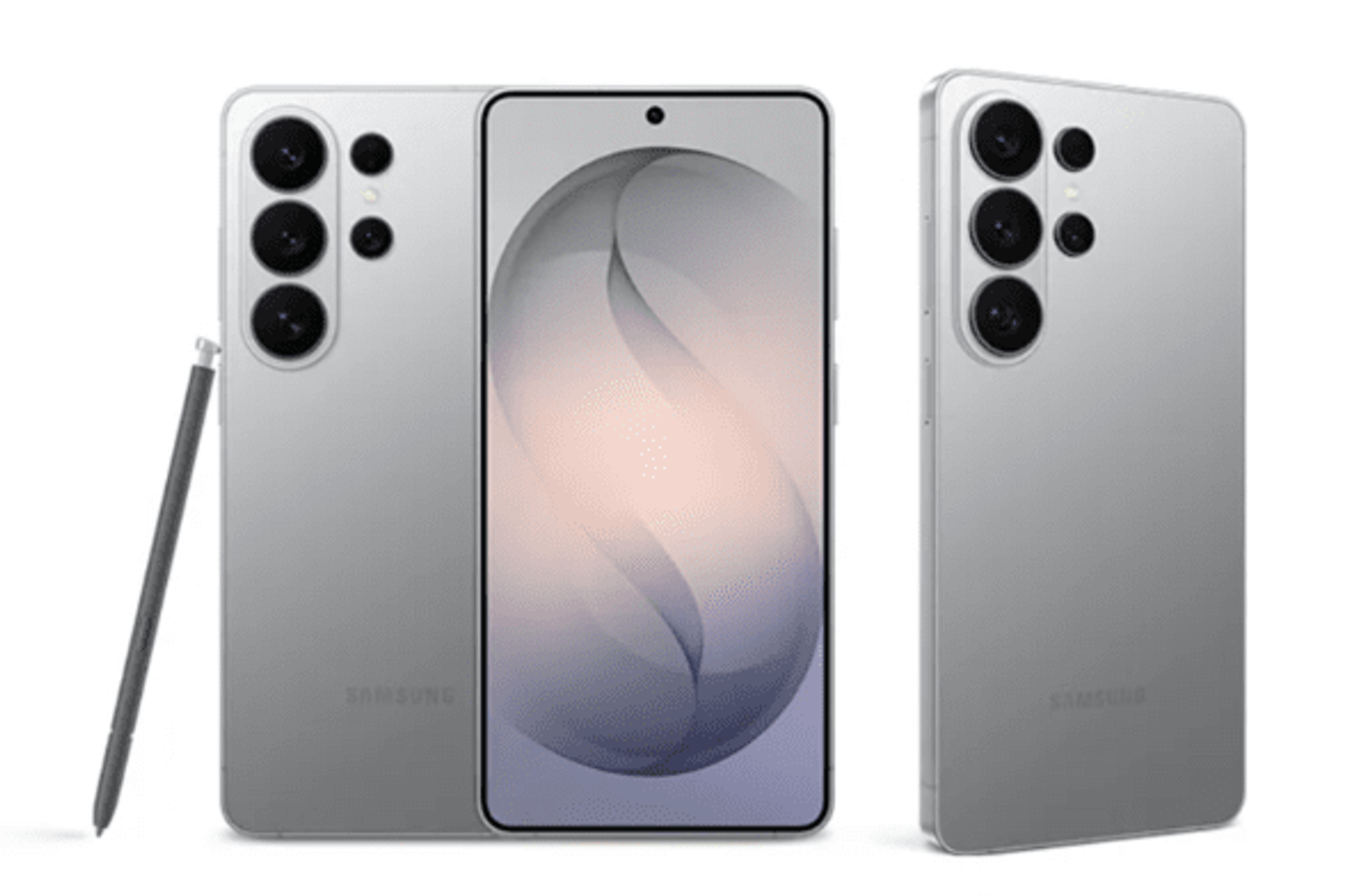
Samsung Electronics will hold its "Galaxy Unpacked 2026" event in London on 22 July, where it will officially unveil the Galaxy Fold 8 and Flip 8, its next generation of foldable smartphones. As the global smartphone market matures, the industry is watching closely to see whether Samsung can reassert its dominance in the premium segment through its foldable lineup.
The choice of London as the venue carries strategic weight. Samsung has previously staged its Unpacked events in Seoul, New York, and Paris; selecting the British capital signals both an intent to court European premium consumers and a desire to push back against the growing foldable ambitions of Chinese brands such as Huawei and Xiaomi. According to Counterpoint Research, Samsung still commands a market share in the mid-40% range in global foldable handsets in 2025 — but that figure represents a sharp retreat from the more than 70% it held in 2022, as Huawei, Oppo, and other Chinese manufacturers accelerate their challenge.
The Galaxy Fold 8 is reported to feature a redesigned hinge mechanism alongside an ultra-slim form factor. Industry sources suggest Samsung may have succeeded in reducing the device's thickness to below 10mm — a direct assault on the chronic criticism that foldable phones are too thick and too heavy. The Galaxy Flip 8, meanwhile, is expected to focus on expanding the functionality of its cover display and increasing battery capacity. Particularly noteworthy is the deeper integration of on-device artificial intelligence, with Samsung's Galaxy AI platform said to be optimised for the multitasking possibilities afforded by a dual-screen environment.
AI will be the central theme of the Unpacked event. Since last year, Samsung has been rolling out a range of on-device AI features across its Galaxy S series — including real-time translation, document summarisation, and image editing. The Fold 8 and Flip 8 are expected to take this further, with substantially enhanced AI assistant capabilities that exploit the dual-screen form factor. Integration of Google's Gemini AI, developed through the two companies' ongoing partnership, is another key point of interest. Technology analysts have argued that "when the large-screen characteristics of foldable phones are combined with AI-driven productivity tools, they could prove a formidable proposition for the premium business-user market."
Pricing will also be a decisive variable. The previous Galaxy Z Fold 7 launched at roughly 2.5m Korean won (approximately $1,800), a price point widely criticised as too steep for mainstream adoption. Market observers speculate that Samsung may trim prices modestly to broaden the appeal of foldables, or even launch a parallel mid-range foldable line. The pressure to do so is real: Motorola and Oppo have already released foldable devices priced from around 1m won (roughly $720), igniting a price war that most analysts believe will be central to determining how the market responds to Samsung's new offerings.
The broader foldable market remains on a growth trajectory. In China, foldable shipments rose by more than 30% year on year in 2025, and demand among premium consumers in Europe has continued to expand steadily. In North America, however, foldable penetration remains in the single digits, lending weight to the view that the London event is intended primarily as a bridgehead into the European market.
Amid a mixture of industry anticipation and caution, Samsung's 22 July Unpacked in London amounts to more than a routine product launch. It is shaping up as a pivotal moment for the global foldable market. How Samsung reconciles three competing imperatives — innovation in form factor, integration of AI, and price competitiveness — is likely to set the tone for the premium smartphone market in the second half of the year.